
Decorative mirrors are more than mere reflective surfaces; they are essential elements in interior design that add depth, light, and elegance to any space. The beauty of decorative mirrors lies in their ability to blend functionality with aesthetics, transforming rooms into brighter, more visually appealing areas. This article delves into the art and beauty of decorative mirrors in interior design, exploring their history, styles, benefits, and practical applications.
A Historical Perspective on Decorative Mirrors
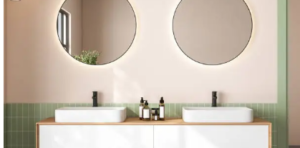 Mirrors have a long and fascinating history, dating back to ancient civilisations. Early mirrors were made from polished stone or metal, and it wasn’t until the Renaissance that glass mirrors began to be widely used. The Venetians were particularly renowned for their mirror-making skills, producing beautifully ornate mirrors that were as much works of art as they were functional items.
In the 17th and 18th centuries, mirrors became symbols of wealth and status. Grand, gilded mirrors adorned the walls of palaces and mansions, reflecting the luxury of the era. Today, while mirrors are more accessible, the allure of decorative mirrors remains strong, capturing the imagination of interior designers and homeowners alike.
The Styles of Decorative Mirrors
Decorative mirrors come in a myriad of styles, each bringing its unique charm to interior spaces. Here are some popular styles:
- Antique Mirrors
Antique mirrors, often characterised by their aged, distressed look and intricate frames, add a touch of vintage elegance. They work well in traditional and eclectic interiors, providing a sense of history and nostalgia.
- Modern Mirrors
Modern mirrors feature clean lines and minimalistic designs. Often frameless or with sleek metal frames, these decorative mirrors are perfect for contemporary spaces, enhancing the sense of simplicity and sophistication.
- Venetian Mirrors
Venetian mirrors are known for their elaborate designs and exquisite craftsmanship. Often hand-etched and adorned with intricate patterns, these mirrors are reminiscent of the grandeur of Renaissance art.
- Geometric Mirrors
Geometric mirrors featuring shapes like hexagons, triangles, and abstract patterns add a modern and artistic flair. They are ideal for creating visual interest and breaking the monotony of straight lines in contemporary interiors.
The Benefits of Decorative Mirrors
Decorative mirrors offer several benefits beyond their aesthetic appeal. Here are some key advantages:
Enhancing Light
Mirrors reflect light, making rooms appear brighter and more inviting. Placing mirrors opposite windows or light sources maximises this effect, effectively doubling the amount of natural light in a space.
Creating the Illusion of Space
Mirrors can make small rooms look larger. By reflecting the room on itself, they create an illusion of depth and space, which is particularly useful in compact apartments or narrow hallways.
Adding Depth and Dimension
Mirrors add depth and dimension to flat walls, creating a more dynamic and layered look. It is especially beneficial in minimalist designs, where every element needs to serve a purpose.
Highlighting Decor
Mirrors can highlight and enhance other elements in a room. By strategically placing mirrors, you can draw attention to artwork, furniture, or architectural features, enhancing their visual impact.
Practical Applications of Decorative Mirrors in Interior Design
Incorporating decorative mirrors into interior design requires careful consideration of their placement, size, and style. Here are some practical applications:
Living Room Elegance
A large, ornate mirror above the fireplace or sofa can serve as a stunning focal point in the living room. It not only enhances the room’s aesthetic appeal but also reflects light, making the space feel brighter and more open.
Bedroom Brilliance
In the bedroom, mirrors can be both functional and decorative. A full-length mirror is essential for dressing, while smaller decorative mirrors above the headboard or on the dresser can add a touch of elegance and style.
Dining Room Drama
A statement mirror in the dining room can create a sense of grandeur and sophistication. Placing a mirror on one wall can reflect the dining table and chandelier, amplifying the room’s luxurious feel.
Conclusion
Decorative mirrors are powerful tools in interior design, capable of transforming ordinary spaces into extraordinary ones. Their ability to reflect light, create the illusion of space, and serve as functional art pieces makes them indispensable in modern decor. Whether you prefer antique elegance, modern minimalism, or artistic flair, there’s a decorative mirror to suit every taste and style. By thoughtfully incorporating these mirrors into your home, you can shine bright and elevate your interior design to new heights.

