
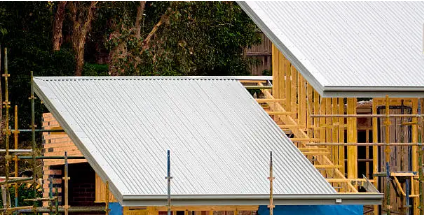
Installing metal roofing is a major investment, and getting it wrong can lead to costly repairs, poor performance, and reduced lifespan. When it comes to Adelaide COLORBOND roofing, homeowners and builders often underestimate how critical proper installation is in South Australia’s unique climate. From coastal salt exposure to intense summer heat and sudden storm events, Adelaide conditions demand precise workmanship and correct material handling.
Unfortunately, many roofing issues stem not from the product itself but from avoidable installation mistakes. This article breaks down the most common errors people make when installing COLORBOND roofing in Adelaide and how to avoid them for long-term durability and performance.
1. Ignoring Adelaide’s climate conditions during installation
One of the most frequent mistakes in Adelaide COLORBOND roofing projects is failing to account for local environmental factors. Adelaide experiences a mix of coastal air (especially in suburbs closer to Gulf St Vincent), high UV exposure, and seasonal storms. These conditions directly affect how roofing materials expand, contract, and corrode over time.
Installers who treat the job as a generic roofing project often overlook key requirements such as appropriate fasteners for coastal zones, correct anti-corrosion coatings, and thermal expansion allowances. For example, using non-rated screws or inadequate sealing in high-salt environments can significantly shorten roof lifespan.
Proper installation in Adelaide requires selecting components specifically rated for marine or near-coastal conditions when necessary, and ensuring adequate ventilation to reduce heat buildup. Without these considerations, even high-quality roofing systems can underperform.
2. Poor substrate preparation and structural assessment
Another critical error in Adelaide COLORBOND roofing installation is failing to properly assess the underlying roof structure before laying sheets. COLORBOND roofing relies on a stable, straight, and well-prepared framework to perform correctly. Any uneven battens, weakened trusses, or incorrect spacing can cause long-term issues such as oil-canning (visible waviness), water pooling, or fastener failure.
In Adelaide’s older suburbs, many homes undergoing reroofing still have aged timber frames that may not meet current structural standards. Skipping reinforcement or failing to replace compromised timber can compromise the entire system.
A proper installation process includes load assessment, alignment checks, and ensuring compliance with South Australian building codes. Contractors should also verify pitch requirements, as low-slope roofs without proper design adjustments are prone to drainage issues during heavy rainfall.
3. Incorrect fastening methods and spacing
Fastener errors are one of the most preventable yet common problems in Adelaide COLORBOND roofing installations. Using the wrong screws, incorrect spacing, or over-tightening fasteners can all lead to premature roof failure.
In Adelaide’s temperature extremes, metal roofing expands and contracts significantly. If screws are too tight, they restrict natural movement and may cause sheet distortion or cracking around fixings. On the other hand, loose fasteners can lead to uplift during strong winds, which are not uncommon in South Australian storm seasons.
Correct installation requires the use of manufacturer-approved fasteners with rubber-sealing washers, spaced as specified by engineering. Roofers must also ensure consistent alignment across sheets to evenly distribute stress. These small details significantly influence long-term durability.
4. Poor insulation and ventilation planning
Thermal performance is often overlooked during Adelaide COLORBOND roofing installation, yet it plays a major role in energy efficiency and comfort. Adelaide summers can be extremely hot, and without proper insulation and airflow, roof spaces can trap excessive heat.
A common mistake is installing metal roofing without adequate sarking or reflective insulation. This leads to higher indoor temperatures, increased reliance on air conditioning, and potential condensation issues during cooler months.
Ventilation is equally important. Without proper airflow, moisture can build up in the roof cavity, leading to mould growth or corrosion over time. Ridge vents, whirlybirds, or passive ventilation systems should be incorporated into the design to ensure balanced air movement throughout the year.
5. Overlooking expansion joints and sheet alignment
Metal roofing naturally expands and contracts with temperature changes, which is particularly relevant in Adelaide COLORBOND roofing applications due to the region’s strong temperature fluctuations between day and night.
A common installation mistake is failing to allow sufficient expansion space between sheets or incorrectly aligning panels. This can lead to stress points, warping, or audible “popping” noises as the roof adjusts to temperature changes.
Professional installers ensure that sheet overlaps, fixings, and joint placements accommodate thermal movement. Proper alignment also improves water runoff efficiency, reducing the risk of leaks during the common heavy rainfall events in Adelaide’s winter season.
6. Using inexperienced or unlicensed installers
Perhaps the most significant mistake homeowners make with Adelaide COLORBOND roofing is hiring installers without proper licensing or experience. Roofing is a highly technical trade that requires knowledge of structural engineering, weatherproofing systems, and manufacturer specifications.
Unqualified installers may cut corners, ignore compliance standards, or use incorrect materials, all of which can void warranties and lead to expensive repairs. In South Australia, roofing work must comply with strict building regulations, and choosing a licensed professional ensures accountability and adherence to standards.
Experienced installers also understand local conditions better, including how coastal winds, salt exposure, and UV intensity affect long-term roof performance.
Final thoughts
Installing a COLORBOND roof in Adelaide is not just about choosing a durable material—it’s about ensuring every aspect of the installation is tailored to local conditions. From structural preparation and fastening techniques to insulation and ventilation design, each step plays a critical role in performance and longevity.
When it comes to Adelaide COLORBOND roofing, avoiding these common mistakes can mean the difference between a roof that lasts decades and one that requires costly early repairs. By working with experienced professionals and prioritising correct installation practices, homeowners can ensure their roofing investment stands up to Adelaide’s demanding climate for years to come.

