Category: Dental Care (page 1 of 1)

Wisdom Teeth Removal Adelaide’ Gentle Sedation Options for Anxious Patients

For many people, thinking about having a wisdom tooth removed is more stressful than the procedure itself. Concerns about needles, dental instruments, discomfort, or simply being unable to relax can make an otherwise routine extraction feel overwhelming. Fortunately, modern wisdom teeth removal Adelaide clinics can offer sedation options designed to make treatment calmer and more comfortable.

Nitrous oxide, often called “happy gas”, and twilight sedation may help patients manage anxiety while allowing the dentist or oral surgeon to safely remove problematic wisdom teeth. Understanding how these options work can make it easier to approach treatment with confidence.

Why wisdom teeth removal can cause anxiety

Dental anxiety is common, and it can be especially strong when surgery is involved. Wisdom teeth may need removal because they are impacted, hard to clean, cause repeated infections, or put pressure on nearby teeth.

For patients experiencing dental anxiety or wisdom teeth SA concerns, discussing fears before treatment is important. Your dental team can explain the procedure, expected sensations and available sedation options so there are fewer surprises.

A thorough assessment, usually including dental imaging when appropriate, also helps determine how straightforward or complex an extraction may be.

Nitrous oxide: A gentle option for nervous patients

Nitrous oxide is a mild form of conscious sedation delivered through a small mask placed over the nose. It is commonly known as “happy gas” and may help patients feel more relaxed during dental treatment.

A happy gas dentist in Adelaide should first assess whether nitrous oxide suits the patient’s individual circumstances. The patient remains conscious and can generally communicate with the dental team throughout treatment.

Potential benefits include:

● Reduced feelings of anxiety and tension

● A greater sense of relaxation during treatment

● Ability to remain responsive to the dental team

● A relatively quick recovery after the gas is stopped

Nitrous oxide does not replace local anaesthetic. The treatment area is still numbed to control pain during extraction.

Twilight sedation for deeper relaxation

Some patients need more support than nitrous oxide can provide. Twilight sedation, also referred to as intravenous (IV) sedation, can produce a deeper state of relaxation while the patient remains medically monitored.

For appropriate patients undergoing wisdom teeth removal Adelaide, twilight sedation may make the experience feel much easier to manage, particularly when significant anxiety is present, or several teeth require removal.

The dentist or oral surgeon will discuss your medical history, medications, fasting requirements and recovery arrangements before treatment. Because sedation affects alertness, patients generally need someone to accompany them home and should follow their provider’s post-treatment instructions carefully.

Which sedation option is right for you?

No single sedation method suits everyone. Your dental professional will consider factors such as:

1. Your level of dental anxiety

2. The complexity of the wisdom tooth extraction

3. Your medical history and current medications

4. Previous experiences with dental treatment

5. Your ability to remain comfortable with local anaesthetic alone

The goal is not simply to make you sleepy. It is to create a controlled, safe environment where we can complete necessary treatment with as little distress as reasonably possible.

Planning wisdom teeth removal in Adelaide

If anxiety has stopped you from seeking treatment, it is worth raising the issue during your consultation. A clinic experienced in wisdom teeth removal Adelaide can explain the procedure step by step and discuss whether local anaesthetic, nitrous oxide or twilight sedation is appropriate.

Choosing a provider who takes dental anxiety and wisdom teeth concerns among SA patients seriously can make a significant difference to the overall experience. Ask about sedation, monitoring, and aftercare, and what you should expect before, during, and after your extraction.

Conclusion

Wisdom teeth treatment doesn’t have to be overwhelming. With appropriate local anaesthetic and carefully selected sedation, anxious patients can receive necessary care in a calmer and more controlled setting.

If you are considering wisdom teeth removal Adelaide, book a consultation with an experienced dental professional to discuss your wisdom teeth, anxiety concerns and suitable sedation options. Taking that first step can make treatment feel far more manageable.

—

Frequently Asked Questions

1. Is wisdom teeth removal painful?

Local anaesthetic numbs the treatment area, so patients should not feel sharp pain during the extraction. Some tenderness and swelling can occur afterwards.

2. What does nitrous oxide feel like?

Nitrous oxide can create a relaxed, light or floating sensation. Patients generally remain conscious and able to communicate with their dental team.

3. Is twilight sedation the same as general anaesthesia?

No. Twilight, or IV, sedation differs from general anaesthesia. The level of sedation and awareness depends on the medications and clinical approach used.

4. Can anxious patients request sedation for wisdom teeth removal?

Patients can discuss sedation with their dentist or oral surgeon. Suitability depends on the individual’s health, treatment needs and the sedation provider’s assessment.

5. How do I choose a sedation option in Adelaide?

Start with a consultation. Your dental professional can assess the wisdom teeth and discuss your anxiety level, medical history, procedure complexity and appropriate sedation options.
Dental Implants Adelaide’ Caring for Your Dental Implants and Preventing Implant Infection

Dental implants can provide a durable, natural-looking solution for missing teeth, but they still require proper care. If you have dental implants in Adelaide, maintaining healthy gums and strong oral hygiene is essential to protect your investment. One of the most important conditions to understand is peri-implantitis, an inflammatory infection that can affect the tissues and bone surrounding an implant. Left untreated, it may compromise implant stability. The good news is that consistent home care and regular professional dental check-ups can significantly reduce your risk.

What Is Peri-Implantitis?

Peri-implantitis is an inflammatory condition affecting the soft and hard tissues around a dental implant. It is often associated with bacterial plaque accumulating around the implant. It may develop after an earlier stage called peri-implant mucositis, where inflammation affects the gums without significant supporting bone loss.

Signs can include:

● Red, swollen or tender gums around the implant

● Bleeding when brushing or flossing

● Gum recession around the implant

● Persistent bad breath or an unpleasant taste

● Pus around the implant

● Increasing discomfort or changes in implant stability

If you notice these symptoms, arrange a dental examination promptly rather than waiting for them to disappear.

How to Prevent Implant Infection

Good dental implant maintenance starts at home. Although implants cannot develop tooth decay like natural teeth, plaque and bacteria can still affect the surrounding gums and bone.

Build a Consistent Oral Hygiene Routine

Brush twice a day using a soft-bristled toothbrush and fluoride toothpaste. Clean carefully around the implant crown and gumline, where plaque can collect.

Depending on your implant design and individual needs, your dentist may also recommend interdental brushes, floss, an oral irrigator or other specialised cleaning aids. Avoid using excessive force, as aggressive cleaning can irritate the gums.

Keep Up With Professional Dental Care

Regular dental visits allow your Adelaide dentist to monitor the implant, the surrounding tissues, and your overall oral health. Professional cleaning can remove hardened deposits that normal brushing can’t effectively remove.

Your dentist may also assess gum health, check for inflammation and monitor changes in the supporting bone when clinically appropriate. This ongoing care is an important part of protecting dental implants in Adelaide over the long term.

What Does Peri-Implantitis Treatment Involve?

Treatment depends on how advanced the condition is. Early inflammation may be managed with professional cleaning and improved oral hygiene, while more established disease can require more comprehensive treatment.

Peri-implantitis treatment may involve removing bacterial deposits from the implant surface, improving the patient’s cleaning routine, and addressing contributing factors. In more advanced cases, a dentist or appropriately trained dental specialist may consider surgical treatment to access the affected area, manage infection and, where appropriate, address bone defects.

The sooner peri-implant disease is identified, the more straightforward management may be. Never attempt to treat suspected implant infection with home remedies alone.

Protecting Your Dental Implants in Adelaide

Lifestyle and general health can also influence implant health. Avoiding tobacco products, managing plaque effectively and following your dental professional’s recommendations can support healthier tissues around implants.

If you have dental implants in Adelaide, don’t wait until you experience pain before seeking care. Implant problems can develop without obvious symptoms, so routine examinations are especially important.

Conclusion

Successful implant treatment does not end when the replacement tooth is fitted. Regular dental implant maintenance, effective daily cleaning, and professional monitoring all play important roles in preventing peri-implant disease. If you notice bleeding, swelling, discharge or changes around an implant, seek professional advice promptly.

If you’re concerned about an existing implant or need guidance on preventing peri-implantitis, book an assessment with an Adelaide dental professional to discuss your oral health and appropriate maintenance plan.

—

FAQs

1. What is peri-implantitis?

Peri-implantitis is inflammation and infection affecting the tissues and supporting bone around a dental implant. It is commonly linked to bacterial plaque buildup.

2. Can peri-implantitis be prevented?

You can reduce risk through thorough daily oral hygiene, professional dental care, regular monitoring, and adherence to your dentist’s implant maintenance recommendations.

3. What are the warning signs of implant infection?

Bleeding, swelling, redness, bad breath, unpleasant taste, pus, discomfort, or changes in implant stability can indicate a problem that requires professional assessment.

4. How often should dental implants be professionally checked?

The appropriate recall schedule varies between patients. Your dentist can recommend a monitoring and cleaning interval based on your oral health, implant condition and individual risk factors.

5. Can peri-implantitis treatment save an implant?

Treatment success depends on factors including the severity of inflammation and bone loss. Early assessment generally provides more options for managing the condition and protecting the implant.

Dental Braces Adelaide’ Discreet Orthodontics for Adults in Adelaide CBD

For many adults, orthodontic treatment brings up one concern: wearing a noticeable appliance at work, social events, or in everyday life. Fortunately, modern dental braces offer discreet options that can straighten teeth without the traditional appearance of metal brackets.

In Adelaide CBD, adults can explore ceramic braces and lingual braces, depending on their orthodontic needs, lifestyle and treatment goals. These options can address a range of alignment and bite concerns while allowing patients to feel more confident throughout treatment. Understanding how each approach works can help you make an informed decision with your dentist or orthodontist.

Ceramic Braces: A Subtle Alternative

Ceramic braces work similarly to conventional fixed braces, using brackets and wires to apply controlled forces to gradually move teeth into better positions.

The key difference is that ceramic brackets are designed to blend more closely with the natural colour of teeth. This makes them less noticeable than traditional metal appliances, which can be appealing to professionals and adults who want a more discreet appearance.

When considering adult braces Adelaide CBD, ceramic braces may suit people who need comprehensive orthodontic correction but prefer a less visually prominent appliance.

What Are the Benefits?

Ceramic braces can offer several practical advantages:

● Tooth-coloured or clear brackets provide a more discreet appearance.

● They are fixed to the teeth, so there is no need to remember to remove or replace them.

● They can be used to address many common orthodontic alignment and bite issues.

● They may suit adults who want a traditional fixed-brace approach with a less noticeable design.

Your dental professional can assess whether ceramic braces are appropriate based on your teeth, bite and overall oral health.

Lingual Braces: Orthodontics Hidden Behind the Teeth

For adults who want orthodontic treatment that’s almost invisible from the front, lingual braces offer another option. Rather than being attached to the front surfaces of the teeth, lingual braces are positioned on the tongue-facing surfaces.

This makes lingual braces in North Adelaide an appealing option for patients in and around Adelaide who prioritise discretion. However, lingual treatment requires specialised planning and may involve an adjustment period as the tongue adapts to the appliances.

Because lingual braces sit behind the teeth, cleaning can also require extra care. Your orthodontic provider should explain appropriate brushing, flossing and maintenance techniques before treatment begins.

Choosing the Right Dental Braces for Your Lifestyle

No single orthodontic option suits every adult. The best choice depends on factors such as:

1. The complexity of your case: Certain movements may be better suited to particular appliances.

2. Appearance: Ceramic and lingual options provide different levels of visibility.

3. Comfort and adaptation: Every appliance can require an adjustment period.

4. Oral hygiene: Fixed braces require careful cleaning around brackets and wires.

5. Treatment expectations: Your orthodontist can explain realistic outcomes and maintenance requirements.

A thorough assessment matters before choosing dental braces, especially when addressing bite problems and tooth alignment issues.

Why Adelaide CBD Adults Have More Discreet Options

Living or working in Adelaide CBD can mean frequent professional meetings, presentations and social commitments. Discreet orthodontic options allow adults to pursue treatment while reducing the visual impact of braces.

Whether you are considering ceramic appliances or lingual treatment, a consultation can help determine which approach matches your dental needs and lifestyle. Your provider can also discuss treatment duration, expected adjustments, costs and retention following active orthodontic treatment.

Conclusion: Explore Your Discreet Orthodontic Options

Modern dental braces give Adelaide adults more choice than traditional metal braces. Ceramic braces offer a less noticeable appearance, while lingual braces position the appliance behind the teeth for maximum discretion.

If you are considering orthodontic treatment, book a consultation with a qualified Adelaide dental professional to discuss your alignment concerns and find out which discreet option may suit you.

—

Frequently Asked Questions

1. Are ceramic braces suitable for adults?

Yes. Ceramic braces may suit adults who need fixed orthodontic treatment and prefer less noticeable brackets than traditional metal braces.

2. Are lingual braces completely invisible?

Lingual braces are positioned behind the teeth, making them difficult to see from the front. However, their suitability depends on the individual case.

3. Are dental braces painful?

Braces can cause temporary pressure, tenderness or discomfort, particularly after adjustments. This usually settles as the mouth adapts.

4. How long do adults typically need braces?

Treatment time varies considerably depending on tooth movement, bite issues and treatment complexity. Your orthodontic provider can provide an individual estimate after assessment.

5. How do I choose between ceramic and lingual braces?

Consider visibility, treatment requirements, cleaning, comfort, lifestyle and cost. A professional orthodontic assessment is the best way to compare suitable options.

Dentist Glenelg’ 7 Proven Ways to Improve Your Smile in Glenelg, SA

A confident smile can significantly influence first impressions, self-esteem, and even professional opportunities. In coastal suburbs like Glenelg, where social life, tourism, and outdoor culture are central, dental aesthetics often plays a bigger role than people realise. Consulting a dentist Glenelg residents trust is often the first step toward correcting long-standing cosmetic or functional dental concerns.

Modern dentistry is no longer limited to fillings and extractions. Today’s dental clinics offer advanced cosmetic and restorative solutions that can dramatically enhance the appearance, alignment, and health of your teeth. Whether your concern is discolouration, gaps, misalignment, or missing teeth, a tailored treatment plan can deliver noticeable improvements in both appearance and confidence.

This guide explores seven of the most effective dental treatments available in Glenelg that can transform your smile and improve long-term oral health.

1. Professional Teeth Whitening for Fast Aesthetic Results

One of the simplest yet most impactful treatments is professional whitening. Unlike over-the-counter products, in-chair whitening systems used by a dentist in Glenelg deliver results in a single session or over a short treatment plan.

Stains caused by coffee, tea, wine, or smoking can significantly dull your smile over time. Professional whitening penetrates enamel more effectively, lifting deep-set discolouration while protecting tooth structure.

Patients often notice immediate improvements, making this one of the most popular cosmetic treatments in Adelaide suburbs like Glenelg.

2. Porcelain Veneers for a Complete Smile Makeover

Porcelain veneers are ultra-thin shells bonded to the front surface of teeth. They are designed to correct multiple imperfections at once, including chips, gaps, uneven shape, and severe discolouration.

A skilled dentist Glenelg patients rely on will typically design veneers to match natural tooth colour and facial symmetry, ensuring a balanced, natural-looking result.

Veneers are especially popular among individuals seeking a full “Hollywood smile” transformation without undergoing extensive orthodontic treatment.

3. Invisalign and Clear Aligners for Subtle Teeth Straightening

Clear aligner systems, such as Invisalign, have revolutionised orthodontics. These removable trays gradually shift teeth into proper alignment without the need for traditional metal braces.

For adults and professionals in Glenelg, this option is particularly appealing due to its discreet appearance and convenience. Treatment time varies depending on complexity but generally ranges from several months to over a year.

A qualified dentist Glenelg clinic can assess alignment issues and design a personalised digital treatment plan using 3D imaging technology.

4. Dental Implants for Missing Teeth Replacement

Missing teeth can affect chewing ability, speech, and facial structure. Dental implants are considered the gold standard for permanent tooth replacement.

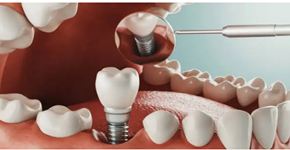
Implants consist of a titanium post surgically placed into the jawbone, which acts as a root for a crown. The result is a natural-looking, fully functional replacement tooth.

Patients in coastal suburbs like Glenelg often choose implants due to their durability and long-term benefits compared to dentures or bridges.

5. Composite Bonding for Minor Imperfections

Composite bonding is a quick, cost-effective way to fix small cosmetic issues, such as cracks, chips, or minor gaps. A tooth-colored resin is thoroughly applied and shaped directly onto the tooth, then hardened using a special light.

This procedure is minimally invasive and usually completed in a single visit. It is ideal for patients who want noticeable improvements without extensive dental work.

A dentist Glenelg professional may recommend bonding as a first step before considering more advanced cosmetic procedures.

6. Gum Contouring for a Balanced Smile Line

Excess or uneven gum tissue can significantly make teeth appear short or asymmetrical. Gum contouring reshapes the gum line to significantly improve proportions and create a more balanced smile.

This procedure is often performed thoroughly with laser technology, which reduces discomfort and healing time. It is commonly combined with veneers or whitening for optimal results.

Residents across Glenelg increasingly request gum contouring as part of full smile redesign treatments.

7. Preventive Dentistry for Long-Term Smile Maintenance

Cosmetic improvements are only effective if supported by strong oral health foundations. Regular check-ups, professional cleaning, and early detection of dental issues are essential.

Preventive care helps avoid cavities, gum disease, and enamel erosion—all of which can negatively affect your smile over time.

A trusted dentist Glenelg clinic will typically design a preventive schedule tailored to your oral health risk profile, ensuring your smile remains healthy and attractive for years.

Conclusion: Transforming your smile in Glenelg

Whether you are looking for subtle improvements or a complete smile makeover, modern dentistry offers a wide range of solutions perfectly tailored to different needs and budgets. From whitening and veneers to implants and orthodontics, each treatment plays a huge role in enhancing both aesthetics and function.

Choosing an experienced dentist Glenelg residents trust ensures that your treatment plan is safe, effective, and personalised to your goals. With the right approach, achieving a confident, natural-looking smile is more accessible than ever—especially in a vibrant, lifestyle-focused community like Glenelg in South Australia.

Dentist Mount Barker_ Comprehensive Family Dental Care for All Ages in a Comfortable, Local Setting

When it comes to oral health, finding a family dentist who understands the needs of every generation—from toddlers to grandparents—can make all the difference. For residents of Mount Barker, SA, choosing the right dental practice isn’t just about regular check-ups. It’s about building a long-term relationship with a trusted professional who provides personalised care, preventive guidance, and advanced treatments in a welcoming environment. With the right dental partner, families can ensure a lifetime of healthy smiles while receiving care tailored to their unique needs.


Why Choosing a Local Family Dentist Matters

For families in Mount Barker, convenience and trust are two essential factors in selecting a dental care provider. A family dentist offers both by providing comprehensive services under one roof and building familiarity with each member of the household. Instead of visiting different clinics for children, adults, and seniors, one dedicated dental team can manage the oral health needs of everyone—saving time, reducing stress, and ensuring continuity of care.


Local expertise also matters. A dentist in Mount Barker understands the community’s lifestyle, dietary habits, and common dental concerns, allowing them to provide more relevant advice and treatment options. Whether it’s addressing issues caused by local water quality, seasonal allergies that affect oral health, or lifestyle-related conditions, a nearby practice is often best equipped to provide the right support.


Comprehensive Services for Every Stage of Life

One of the biggest advantages of choosing a family dentist in Mount Barker is access to a comprehensive range of services tailored to meet the needs of all age groups.


Children’s Dentistry: Early dental visits help establish good oral hygiene habits and ensure proper tooth growth and alignment. Services such as fluoride treatments, dental sealants, and gentle cleanings lay the foundation for lifelong dental health.

Teen and Adult Care: As dental needs evolve, so do treatment options. From routine check-ups and fillings to orthodontics and cosmetic enhancements, a family-oriented practice ensures every stage of life is covered.

Senior Dental Care: Older adults may require specialised care, such as gum disease management, denture fittings, or dental implants. A consistent dental history with a trusted team ensures that treatments remain accurate and personalised.


By offering all these services in one place, a family practice makes it easier to schedule visits, track oral health progress, and maintain healthy smiles across generations.


Preventive Care: The Cornerstone of Oral Health

Preventive care is at the heart of what a family dentist provides. Rather than waiting for dental problems to occur, preventive care focuses on avoiding them altogether. It includes regular check-ups, professional cleanings, oral cancer screenings, and personalised advice on diet and home care.


For families in Mount Barker, this proactive approach is especially beneficial. With a consistent care schedule, dentists can detect early signs of tooth decay, gum disease, or misalignment before they become complex issues. They can also provide guidance on proper brushing and flossing techniques, as well as nutritional habits and lifestyle choices that impact oral health, ensuring long-term benefits and reduced treatment costs.


Creating a Comfortable, Stress-Free Experience

Many people, especially children, feel anxious about visiting the dentist. A trusted family dentist understands this and creates a welcoming, stress-free environment that makes dental visits something to look forward to rather than dread.


From gentle communication and kid-friendly waiting areas to sedation options for more complex treatments, family dental practices are designed with patient comfort in mind. Building a familiar relationship with the same dental team also helps reduce anxiety over time, as patients become accustomed to what to expect and feel more at ease during each visit.


Advanced Technology and Modern Techniques

Today’s dental care is far more advanced than it was even a decade ago. A modern family dentist uses state-of-the-art equipment and techniques to ensure accurate diagnoses, effective treatments, and faster recovery times.


Digital X-rays, intraoral cameras, laser dentistry, and computer-guided implant technology are just some of the tools that enhance patient care. These advancements not only significantly improve treatment outcomes but also reduce discomfort and minimise procedure times—making dental care more efficient and patient-friendly.


By choosing a dentist in Mount Barker who embraces modern dentistry, families can enjoy the peace of mind that comes with knowing they are receiving the highest standard of care available.


Building Lifelong Relationships for Better Oral Health

The relationship you build with your family dentist extends far beyond clinical care. Over time, your dentist becomes a trusted advisor, familiar with your family’s dental history, preferences, and concerns. This long-term partnership enables more personalised care, improved treatment planning, and proactive management of oral health changes as they occur.


Moreover, children who grow up visiting the same dental practice are more likely to continue prioritising oral health into adulthood. This continuity helps foster positive attitudes toward dental care and encourages lifelong healthy habits—something that benefits the entire family.


Final Thoughts: A Healthier Future Starts with the Right Dentist

When it comes to oral health, prevention, consistency, and trust are key—and a dedicated family dentist in Mount Barker, SA, can deliver all three. By offering comprehensive services, personalised care, and a welcoming environment, family-focused dental practices make it easier than ever to keep smiles bright and healthy for years to come.


Whether you’re scheduling your child’s first check-up, maintaining your own dental routine, or seeking specialised care for an older family member, choosing the right local dentist is one of the best investments you can make in your family’s health and well-being.


In Mount Barker, the journey to lifelong oral health begins with one simple step: partnering with a trusted family dental team who understands your needs and prioritises your family’s smiles every step of the way.

Teeth Straightening Adelaide’ Planning Ahead for Special Occasions Like Weddings, Graduations, and More

When an important milestone approaches—be it a wedding, graduation, or professional event—your smile often becomes one of your most valuable accessories. In Adelaide, where social gatherings and celebrations hold a special charm, many people are turning to teeth straightening Adelaide to achieve a confident, photo-ready smile. But, as with any meaningful transformation, getting straighter teeth in time for a big occasion requires careful planning, professional guidance, and realistic expectations about timelines and results.

The Importance of Planning Ahead

Major events such as weddings and graduations often come with months—sometimes years—of preparation. Similarly, effective teeth straightening treatments take time to deliver noticeable results. Depending on the treatment option you choose, the journey can range from a few months to over a year.

In Adelaide, orthodontists and cosmetic dentists emphasise the value of early consultation. By visiting your dental specialist 6 to 12 months before your big day, you can determine which treatment best aligns with your goals and timeline. Whether you’re considering clear aligners, ceramic braces, or short-term cosmetic options, a professional assessment ensures you start your transformation with a clear and achievable plan.

Choosing the Right Treatment for Your Timeline

Not all teeth straightening methods work at the same pace. If your event is only a few months away, you might prefer faster, aesthetic-focused options rather than comprehensive orthodontic correction.

Clear Aligners (e.g., Invisalign): Ideal for mild to moderate misalignment, clear aligners are discreet and removable—perfect for brides, graduates, or professionals who don’t want visible metal braces. Depending on your case, results can begin to show within three to six months.

Ceramic or Lingual Braces: These offer more precise movement for moderate to complex cases and are less noticeable than traditional metal braces. Treatment can take longer, so it’s best for those with at least a year to prepare.

Cosmetic Contouring or Veneers: If time is limited, cosmetic options can enhance your smile quickly. However, these are aesthetic rather than orthodontic solutions.

Adelaide clinics are increasingly offering customised treatment timelines that cater to special events, making it possible to align your orthodontic goals with your life’s milestones.

Preparing for Your Big Day

Once you’ve chosen your teeth straightening method, it’s important to follow through with consistent care. Adelaide dental experts often recommend regular progress checks to ensure your treatment stays on schedule. Staying disciplined with aligner wear or brace maintenance can make all the difference, especially when a deadline like a wedding or graduation is on the horizon.

Another tip is to coordinate your dental appointments with other aspects of event preparation. For example, schedule your final aligner or brace removal at least a few weeks before the event to allow time for any whitening or polishing treatments. It ensures your smile looks its best when it matters most.

Managing Expectations: The Realistic Approach

While many patients in Adelaide seek quick results, it’s crucial to maintain realistic expectations. Teeth straightening is a gradual process that prioritises both aesthetics and oral health. Accelerating treatment beyond safe limits can lead to complications or discomfort.

That said, visible improvements often appear within a few months, which can boost confidence leading up to your event. If your timeline is too short for full orthodontic correction, your dentist may suggest temporary cosmetic enhancements—such as bonding, reshaping, or whitening—to complement partial progress. The key is open communication with your dental professional to find a safe and satisfying balance between time and outcome.

Smile Confidence Beyond the Occasion

While the initial motivation for teeth straightening may be your upcoming wedding, graduation, or milestone celebration, the benefits extend far beyond the event itself. Straight teeth not only enhance your appearance but also improve oral hygiene, bite function, and long-term dental health.

In Adelaide, many patients who begin treatment for a special event end up continuing their journey toward a fully aligned smile afterwards. The city’s dental clinics often offer flexible payment plans and follow-up care, helping patients maintain their progress comfortably even after the celebrations end.

Moreover, the confidence gained from a beautifully aligned smile often impacts other areas of life—career, relationships, and self-esteem. What begins as preparation for one day often becomes an investment in lifelong confidence.

Local Expertise: Why Adelaide Is a Great Place to Start

Choosing a trusted local provider makes the teeth straightening process smoother and more reliable. Adelaide boasts a strong network of orthodontic and cosmetic dental professionals who specialise in event-focused treatment planning. Many clinics offer modern digital scanning, 3D treatment previews, and short-term orthodontic solutions tailored for adults preparing for key life events.

Additionally, Adelaide’s relaxed yet professional atmosphere means you can receive personalised care without the rush or impersonal feel of larger cities. From initial consultation to the final reveal, your journey can be both efficient and enjoyable with the right clinic support.

Final Thoughts

Planning for a special occasion is about more than outfits, venues, or photos—it’s about feeling confident and radiant when the spotlight turns to you. If you’re in Adelaide and considering teeth straightening, starting early gives you the best chance to achieve the smile you’ve always wanted in time for your milestone moment.

Whether it’s a wedding, graduation, or any event that lasts a lifetime, investing in your smile is one of the most rewarding preparations you can make. With expert guidance, realistic planning, and a commitment to your treatment, your smile will shine just as brightly as the occasion itself.

Invisalign Adelaide- Teen Invisalign as a Modern Alternative to Metal Braces

In recent years, Invisalign Adelaide has emerged as a leading choice for teenagers seeking effective orthodontic treatment without the discomfort and aesthetic concerns associated with traditional metal braces. For many parents and teens in South Australia, this innovative solution offers not only excellent dental results but also the freedom and confidence that come with a virtually invisible treatment option. As orthodontic technology evolves, Adelaide-based clinics are now offering highly customised teen Invisalign Adelaide programs designed to fit seamlessly into modern lifestyles.

Why Teens Prefer Invisalign Over Metal Braces

Traditional metal braces have long been the standard solution for correcting misaligned teeth. While effective, they come with drawbacks such as noticeable metal brackets, dietary restrictions, and potential discomfort. Teenagers, in particular, are highly conscious of their appearance, making visible braces a source of self-consciousness in social and school settings.

Invisalign Adelaide provides an elegant solution. The clear aligners are nearly invisible, allowing teens to undergo orthodontic treatment without compromising their confidence. Moreover, these aligners are removable, allowing adolescents to maintain their normal diet and oral hygiene routines without the challenges often associated with traditional metal braces. This convenience has made Invisalign an increasingly attractive option for both parents and their children.

The Customised Approach for Teens in Adelaide

One of the most significant advantages of teen Invisalign is the level of customisation it offers. Adelaide orthodontists utilise advanced 3D imaging technology to create a detailed treatment plan tailored to each patient’s specific dental needs. The entire process begins with a comprehensive assessment, including digital scans of the teeth, which help create a precise series of aligners that gradually move the teeth into the desired position.

This personalised approach ensures that teens achieve optimal results while keeping the treatment timeline as efficient as possible. Parents can have peace of mind knowing that their child’s dental health is monitored closely throughout the process. Many Adelaide clinics also provide support tools, such as mobile apps, to track progress and remind patients when to switch aligners, further enhancing the treatment experience.

Benefits Beyond Aesthetics

While the cosmetic appeal of teen Invisalign is a major selling point, there are also numerous health-related advantages. Because the aligners are effortlessly removable, maintaining oral hygiene is simpler compared to traditional braces, reducing the risk of cavities and gum problems. Teenagers can brush and floss normally, which is particularly beneficial for developing mouths.

Additionally, Invisalign aligners are made from smooth, BPA-free plastic, which reduces irritation to the gums and cheeks—a common complaint with metal braces. For teens significantly involved in sports or musical activities, this can be a significant improvement in comfort and convenience. The clear aligners also do not interfere with playing instruments or participating in contact sports, providing Adelaide teenagers with a flexible solution that suits their active lifestyles.

Addressing Common Concerns for Parents

Some parents may initially hesitate about choosing Invisalign for their teen, questioning whether removable aligners can be effective. However, studies and practical outcomes in Adelaide clinics demonstrate that teen Invisalign delivers results comparable to traditional braces when worn as directed—typically 20 to 22 hours per day. Orthodontists closely monitor adherence through regular check-ups, ensuring that the treatment progresses as planned.

Moreover, many Invisalign systems for teens come with compliance indicators—small blue dots embedded in the aligners that fade as they are worn correctly—providing parents and orthodontists with a clear measure of usage. This feature adds reassurance and helps maintain accountability among adolescent patients.

The Growing Popularity in Adelaide

The popularity of teen Invisalign in Adelaide reflects a broader trend across South Australia: families increasingly value treatments that combine effectiveness with comfort, aesthetics, and convenience. Local orthodontic clinics have responded by offering tailored consultations, flexible appointment schedules, and educational resources that cater to both parents and teens.

By choosing Invisalign Adelaide, teenagers gain a modern alternative to traditional braces—one that fits their busy school schedules, extracurricular activities, and social lives while still providing clinically proven results.

Conclusion

Invisalign is no longer just an adult orthodontic solution; it has become a preferred option for teens seeking a modern, discreet, and comfortable way to achieve a beautiful smile. Adelaide orthodontists have embraced this innovation, offering customised treatment plans that fully cater to the needs of teenagers. From the aesthetic advantages to the significantly improved comfort and oral hygiene benefits, teen Invisalign offers a holistic approach to dental correction, making it a forward-thinking choice for families across South Australia.

For parents and teens considering orthodontic options, Invisalign Adelaide presents a compelling alternative to metal braces—blending effectiveness with confidence and convenience in a way that traditional methods cannot match.

Wisdom Teeth Removal Adelaide Why Dentists Recommend It

Adelaide dentists frequently recommend the removal of wisdom teeth to prevent complications such as crowding, infection, and long-term damage to surrounding teeth. Understanding why this procedure is advised and how it impacts oral health can help patients make informed decisions. Wisdom teeth removal Adelaide is a common dental procedure that many patients undergo to maintain optimal oral health. Although these third molars were once useful for our ancestors, modern diets and jaw sizes often leave little room for them to erupt properly.


Understanding Wisdom Teeth and Their Challenges

Wisdom teeth typically emerge between the ages of 17 and 25. However, not all individuals have enough jaw space to accommodate these molars comfortably. When there isn’t enough space, the teeth may become impacted, meaning they fail to fully emerge or grow at an incorrect angle. Impacted wisdom teeth can lead to a host of problems, including pain, swelling, gum inflammation, and difficulty cleaning, which increases the risk of cavities and gum disease.


Adelaide dentists often stress the importance of early assessment. Routine dental check-ups with X-rays allow dental professionals to monitor the development of wisdom teeth and determine if extraction is necessary before more severe issues arise. Early removal can be less complicated and reduces the risk of prolonged recovery or infection.


Preventing Oral Health Complications

One of the primary reasons for recommending wisdom teeth removal is the prevention of oral health complications. Crowding is a significant concern, particularly in patients who have had orthodontic treatment. If wisdom teeth grow in at odd angles or exert pressure on other teeth, they can undo years of careful dental alignment. This not only affects the aesthetics of a patient’s smile but can also lead to misalignment-related problems like jaw pain and bite difficulties.


Additionally, partially erupted wisdom teeth create pockets where bacteria can accumulate. This makes them prone to infections such as pericoronitis, a painful inflammation of the gum tissue surrounding the tooth. Left untreated, infections can spread, leading to more serious oral health issues and even systemic complications. By recommending wisdom teeth removal Adelaide dentists help patients avoid these risks and maintain healthier gums and teeth overall.


Enhancing Long-Term Dental Hygiene

Oral hygiene is another compelling reason for early removal. Wisdom teeth, located at the back of the mouth, are difficult to reach, making them more susceptible to plaque and tartar buildup. Patients often struggle to clean these areas thoroughly, which increases the likelihood of cavities and periodontal disease. Removing these teeth can simplify oral hygiene routines and contribute to a cleaner, healthier mouth in the long run.


Moreover, wisdom teeth can sometimes interfere with daily dental care practices. Patients may experience discomfort while brushing or flossing near impacted molars, resulting in neglected areas and higher bacterial growth. Extraction not only prevents these hygiene challenges but also promotes better overall dental care habits.


Recovery and Professional Care in Adelaide

Modern dentistry in Adelaide ensures that wisdom teeth removal is a safe and manageable procedure. Most extractions are performed under local anesthesia, though sedation or general anesthesia is available for more complex cases. Recovery typically involves minor swelling, discomfort, and a short period of dietary adjustments. Adelaide dentists provide detailed aftercare instructions to minimise complications and promote rapid healing, allowing patients to return to their normal routines quickly.


Choosing a skilled dentist in Adelaide is crucial for a smooth procedure and recovery. Experienced dental professionals use advanced techniques to reduce trauma to surrounding tissue and ensure the patient’s comfort throughout the process. This emphasis on professional care and patient safety underscores why local dentists consistently recommend early evaluation and timely removal of wisdom teeth.


Conclusion: Prioritizing Oral Health with Expert Guidance

Wisdom teeth removal Adelaide is more than a routine procedure—it is a proactive step toward preserving long-term oral health. By addressing potential complications such as crowding, infection, and hygiene challenges early, Adelaide dentists help patients maintain healthier teeth and gums while avoiding pain and costly dental issues in the future. Patients are encouraged to consult their dental professionals regularly and consider timely wisdom teeth removal as an investment in their overall oral wellness. With expert guidance and proper care, the journey from assessment to recovery can be smooth, effective, and ultimately beneficial for lifelong dental health.

Dental Braces Adelaide Caring for Your Braces in Adelaide’s Unique Climate

Adelaide, South Australia, is known for its Mediterranean climate, with hot, dry summers and cool, wet winters. While this makes it a delightful place to live, it also introduces unique challenges for maintaining oral health—especially for those with dental braces. For residents managing dental braces Adelaide, understanding how climate impacts oral hygiene is crucial for ensuring successful orthodontic treatment and a healthy smile.


Understanding Adelaide’s Climate and Its Impact on Oral Health

Adelaide’s summers can be scorching, with temperatures often exceeding 35°C, while winters bring frequent rainfall and humidity shifts. These conditions can subtly influence oral hygiene. High temperatures can lead to dehydration, which in turn reduces saliva production. Saliva plays a key role in naturally cleaning the teeth and reducing the risk of plaque buildup, which can be more challenging to manage with braces. Conversely, increased indoor heating during winter can dry out the mouth, which in turn affects oral health. For individuals with dental braces Adelaide, these factors make consistent oral care routines even more critical.


Daily Oral Care: The Foundation of Braces Maintenance

Maintaining a meticulous oral care routine is essential when you have braces. Braces create small crevices where food particles can accumulate, increasing the risk of cavities and gum inflammation. For residents of Adelaide, this means brushing at least twice a day using a soft-bristle toothbrush and fluoride toothpaste. Consider a toothbrush designed for braces, featuring V-shaped bristles that effectively reach around brackets and wires.


Flossing should also be non-negotiable. Using floss threaders or orthodontic-specific floss helps remove plaque between teeth and under the wires. In Adelaide, where local diets often include fresh, seasonal produce like grapes and cherries during summer, thorough flossing prevents sugary residues from causing decay around brackets.


Additionally, mouthwash with fluoride can strengthen enamel and reduce bacterial growth. Selecting an alcohol-free option is preferable, especially during Adelaide’s hot summers, to prevent further mouth dryness.


Diet Considerations in Adelaide’s Food Culture

Adelaide boasts a vibrant food culture, from fresh markets to local cafés and wineries. While enjoying these culinary delights, patients with dental braces Adelaide need to be mindful of what they eat. Sticky foods like caramel or nougat, crunchy snacks such as chips, and hard nuts can damage brackets or bend wires. Instead, focus on braces-friendly options like soft fruits, cooked vegetables, and lean proteins.


Summer in Adelaide offers abundant fresh fruits like peaches, nectarines, and watermelon—ideal for snacking without harming braces. During winter, consider softer options like mashed pumpkin or steamed greens. By aligning your diet with both the local produce and braces care guidelines, you can enjoy Adelaide’s culinary scene while protecting your orthodontic investment.


Managing Hydration in a Dry Climate

One aspect often overlooked in braces care is hydration. Adelaide’s dry summer heat increases the risk of dehydration, which can compromise saliva production and make the mouth more acidic. Reduced saliva allows food particles and plaque to linger, heightening the risk of enamel erosion. Drinking plenty of water throughout the day is a simple yet effective way to mitigate these risks. Additionally, chewing sugar-free gum can stimulate saliva flow and help wash away debris, complementing your daily oral care routine.


Professional Care and Regular Check-Ups

No home care routine can replace professional attention. Regular check-ups with an experienced orthodontist are vital for monitoring progress and addressing any issues that may arise. In Adelaide, most dental clinics are equipped to handle the challenges posed by the local climate, offering personalised guidance for maintaining braces during hot summers and humid winters. Schedule appointments every 6–8 weeks or as advised by your orthodontist to ensure your treatment stays on track.


For those new to braces, seeking a clinic specialising in dental braces Adelaide ensures that you receive locally tailored advice—from diet recommendations to tips for managing braces in the city’s unique environmental conditions.


Adapting to Seasonal Changes

Adelaide’s climate encourages seasonal adaptation. During summer, prioritise hydration, avoid sugary and sticky treats at outdoor events, and carry a braces-friendly snack and a travel toothbrush if spending long hours outside. In winter, ensure indoor heating does not dry out your mouth and continue consistent brushing and flossing routines despite cooler weather. By proactively managing seasonal changes, patients can maintain optimal oral health year-round.


Conclusion

Caring for dental braces in Adelaide requires awareness of both environmental and lifestyle factors. From adapting oral hygiene practices to managing diet and hydration, every small effort contributes to a successful orthodontic outcome. Residents who embrace these strategies not only protect their braces but also cultivate long-term oral health. For anyone navigating dental braces Adelaide, understanding the interplay between climate, diet, and oral care is the key to achieving a beautiful, healthy smile.

Dentist West Lakes: What Skills Does a Dentist Need?

Dentists are health care professionals specialising in oral hygiene and treating toothaches. Learn more about this profession to determine if it suits you.

1. Attention to Detail

dentist West Lakes Search the qualifications for almost any job and you’re likely to come across “attention to detail.” This seemingly minor trait is essential in many fields such as administration, management, legal professions, writing and marketing.

Attentiveness to details in dentistry is critical. Dentists must perform precise work in their patients’ mouths using millimetre-level precision to make minor adjustments, and must also remember and abide by patient-specific treatment plans that include any relevant details about medical histories that might impact care.

Interview candidates for jobs requiring attention to detail by asking about instances when they have displayed this quality in their work. Give specific examples where their diligence has directly contributed to a project or process’s outcome; such as proofreading content for accuracy. Find out if their diligence in this area resulted in less errors being committed – showing this trait shows your interviewee can produce high-quality, error-free work.

2. Personal Care

Dentistry is an engaging profession that demands skill, patience, and empathy from its practitioners. People drawn to dentistry tend to enjoy working closely with others while being comfortable interacting with people on an interpersonal basis; some may also possess an interest in medicine and healthcare science.

Patients trust dentists with their most intimate bodily areas – their mouths. Dentists must possess the ability to peer inside while the patient remains fully conscious and under anaesthesia; additionally they must protect their hands and arms from potential injuries or infections when working inside.

Dentist West Lakes offer more than just oral examination; they also create treatment plans to maintain or restore patients’ oral health. Furthermore, dentists are adept at identifying health issues or diseases which first manifest themselves within the oral cavity before spreading to other parts of the body – this makes dentistry an essential aspect of healthcare as any oral infection or disease can have detrimental repercussions for overall wellness.

3. Listening Skills

Effective communication skills in dentistry are of the utmost importance, both because patients will likely have questions or require services, and so that they may trust their dentist. To achieve this trusting relationship requires both empathy and good listening abilities on behalf of both parties involved.

Dental schools typically place greater emphasis on technical education, yet little instruction in interpersonal communication skills. Many experts have voiced concern that this lack of instruction prevents students from fully understanding clinical environments and patient interactions without this background knowledge.

Practice is the best way to hone these skills. One simple trick for showing that you are actively listening and empathising with patients is reiterating what they said in their own words back. This demonstrates your responsiveness.

Another simple yet powerful technique is using short pauses between responses. This shows your engagement in the conversation while eliminating distractions and giving patients time to process what was just said. Doing this builds trust between dentist and patient while increasing compliance with treatment plans – crucial in avoiding future oral health problems while decreasing chair time.

4. Communication Skills

Communication is an indispensable skill for any profession, but especially so in dentistry. Dentist West Lakes frequently work with vulnerable patients and must be able to explain technical details clearly while answering patient inquiries without making them feel overwhelmed or uncomfortable.

Communication skills required of dental practitioners include listening attentively and comprehending a patient’s concerns, while conveying empathy to their patients, by understanding and reacting appropriately to non-verbal signals like body language and facial expressions.

Dentists need not only interpersonal skills but must also possess effective communication with members of their dental team. This involves explaining procedures in a manner easily understood by others as well as knowing how to format letters or documents accordingly, in order to ensure all parties involved in a patient’s care remain on the same page about treatment plans.

5. Listening to Their Patients

An essential skill of being a dentist is active listening. This requires giving patients their undivided attention while listening with empathy to avoid appearing judgmental or condescending. By listening carefully, dental professionals can gain a better understanding of patient needs, address concerns and assist them in making informed decisions regarding their oral health care needs.