
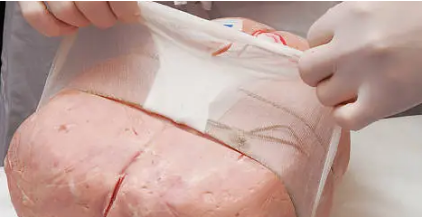
As sustainability becomes a top priority across Australia, businesses in agriculture, retail, and food distribution are actively seeking packaging solutions that balance functionality with environmental responsibility. One product gaining significant attention is stockinette bags. Known for their versatility, durability, and eco-friendliness, these bags have become a preferred choice for packaging fresh produce and other goods nationwide.
Whether used by farmers, wholesalers, or supermarkets, stockinette bags offer practical benefits that support efficient operations while helping businesses meet growing consumer expectations for sustainable packaging.
The Growing Demand for Sustainable Packaging in Australia
Australian consumers are increasingly conscious of the environmental impact of packaging waste. This shift has encouraged businesses to move away from excessive plastic packaging and adopt alternatives that reduce waste without compromising product protection.
Packaging regulations, sustainability initiatives, and corporate environmental goals have further accelerated this trend. As a result, businesses are exploring innovative options that align with both operational requirements and environmental commitments.
Among these alternatives, stockinette bags have emerged as a practical solution for packaging fresh produce, including onions, potatoes, citrus fruits, garlic, and other agricultural products.
What Are Stockinette Bags?
Stockinette bags are flexible mesh-style bags typically manufactured from cotton, polyester, or other lightweight materials. Their open-weave construction allows excellent airflow, making them particularly suitable for products that require ventilation during storage and transportation.
The breathable design helps maintain freshness while reducing the risk of moisture buildup. This feature is especially important in Australia’s diverse climate conditions, where proper airflow can significantly influence product quality and shelf life.
Available in a range of sizes, colours, and materials, stockinette bags can be tailored to meet the needs of various industries and packaging applications.
Key Benefits for Australian Businesses
Improved Product Ventilation
One of the primary advantages of stockinette bags is their ability to promote airflow. Fresh produce naturally releases moisture, and poor ventilation can accelerate spoilage.
The mesh structure of these bags allows air to circulate freely around the contents, helping maintain freshness throughout the supply chain. This makes them particularly beneficial for growers and distributors handling large quantities of produce.
Enhanced Product Visibility
Consumers often prefer to inspect products before making a purchase. The open design of stockinette bags enables customers to easily view the contents without opening the packaging.
For retailers, this transparency can improve customer confidence and create a more appealing product presentation on store shelves.
Lightweight and Cost-Effective
Packaging costs can significantly affect profitability, especially for businesses transporting goods over long distances. Because stockinette bags are lightweight, they add minimal weight to shipments while still providing adequate containment and protection.
This can help reduce transportation expenses and improve overall supply chain efficiency.
Versatility Across Industries
Although commonly associated with produce packaging, stockinette bags are used in various sectors throughout Australia. They are suitable for packaging seafood, firewood, hardware items, sporting equipment, and industrial products.
Their adaptability makes them a valuable packaging solution for businesses with diverse product ranges.
Supporting Sustainability Goals
Sustainability has become a major consideration in procurement decisions across Australia. Businesses are increasingly evaluated not only on product quality but also on their environmental practices.
Many stockinette bags are available in reusable or recyclable materials, helping reduce waste. Reusable packaging solutions can help businesses lower their environmental footprint while demonstrating a commitment to responsible operations.
By integrating sustainable packaging into their supply chains, organisations can strengthen their brand reputation and appeal to environmentally conscious consumers.
Applications in Australia’s Agricultural Sector
Agriculture remains one of Australia’s most important industries, supplying domestic and international markets with high-quality produce. Packaging plays a crucial role in preserving product quality during harvesting, storage, transportation, and retail display.
Farmers and distributors frequently use stockinette bags for products that require ventilation and easy handling. Their flexibility allows them to accommodate varying product sizes while maintaining structural integrity during transport.
As export markets continue to demand sustainable packaging solutions, these bags offer an effective way for Australian producers to meet evolving industry expectations.
Choosing the Right Stockinette Bags
Selecting the appropriate packaging depends on several factors, including product type, weight requirements, storage conditions, and transportation methods.
Businesses should consider:
● Material composition
● Bag size and capacity
● Strength and durability
● Reusability and recyclability
● Branding and customisation options
Working with a reputable supplier can help ensure the packaging solution meets operational and sustainability objectives.
Future Trends in Packaging
The Australian packaging industry is undergoing rapid transformation as businesses seek innovative ways to reduce waste and improve sustainability performance.
Advancements in recyclable materials, biodegradable alternatives, and reusable packaging systems are expected to shape the future of packaging across multiple industries. Companies that proactively adopt environmentally responsible solutions are likely to gain a competitive advantage as consumer expectations continue to evolve.
Stockinette bags are well-positioned to remain a valuable component of this transition. Their combination of functionality, affordability, and sustainability makes them an attractive choice for businesses looking to modernise their packaging strategies.
Conclusion
As Australian businesses navigate increasing sustainability requirements and changing consumer preferences, packaging decisions have never been more important. Stockinette bags provide a practical solution that combines ventilation, visibility, versatility, and environmental benefits.
From fresh produce packaging to industrial applications, these bags offer reliable performance while supporting broader sustainability goals. For businesses seeking cost-effective and eco-conscious packaging options, stockinette bags represent a smart investment in the future of Australian commerce.

