
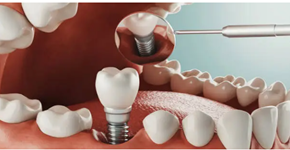
Dental implants can provide a durable, natural-looking solution for missing teeth, but they still require proper care. If you have dental implants in Adelaide, maintaining healthy gums and strong oral hygiene is essential to protect your investment. One of the most important conditions to understand is peri-implantitis, an inflammatory infection that can affect the tissues and bone surrounding an implant. Left untreated, it may compromise implant stability. The good news is that consistent home care and regular professional dental check-ups can significantly reduce your risk.
What Is Peri-Implantitis?
Peri-implantitis is an inflammatory condition affecting the soft and hard tissues around a dental implant. It is often associated with bacterial plaque accumulating around the implant. It may develop after an earlier stage called peri-implant mucositis, where inflammation affects the gums without significant supporting bone loss.
Signs can include:
● Red, swollen or tender gums around the implant
● Bleeding when brushing or flossing
● Gum recession around the implant
● Persistent bad breath or an unpleasant taste
● Pus around the implant
● Increasing discomfort or changes in implant stability
If you notice these symptoms, arrange a dental examination promptly rather than waiting for them to disappear.
How to Prevent Implant Infection
Good dental implant maintenance starts at home. Although implants cannot develop tooth decay like natural teeth, plaque and bacteria can still affect the surrounding gums and bone.
Build a Consistent Oral Hygiene Routine
Brush twice a day using a soft-bristled toothbrush and fluoride toothpaste. Clean carefully around the implant crown and gumline, where plaque can collect.
Depending on your implant design and individual needs, your dentist may also recommend interdental brushes, floss, an oral irrigator or other specialised cleaning aids. Avoid using excessive force, as aggressive cleaning can irritate the gums.
Keep Up With Professional Dental Care
Regular dental visits allow your Adelaide dentist to monitor the implant, the surrounding tissues, and your overall oral health. Professional cleaning can remove hardened deposits that normal brushing can’t effectively remove.
Your dentist may also assess gum health, check for inflammation and monitor changes in the supporting bone when clinically appropriate. This ongoing care is an important part of protecting dental implants in Adelaide over the long term.
What Does Peri-Implantitis Treatment Involve?
Treatment depends on how advanced the condition is. Early inflammation may be managed with professional cleaning and improved oral hygiene, while more established disease can require more comprehensive treatment.
Peri-implantitis treatment may involve removing bacterial deposits from the implant surface, improving the patient’s cleaning routine, and addressing contributing factors. In more advanced cases, a dentist or appropriately trained dental specialist may consider surgical treatment to access the affected area, manage infection and, where appropriate, address bone defects.
The sooner peri-implant disease is identified, the more straightforward management may be. Never attempt to treat suspected implant infection with home remedies alone.
Protecting Your Dental Implants in Adelaide
Lifestyle and general health can also influence implant health. Avoiding tobacco products, managing plaque effectively and following your dental professional’s recommendations can support healthier tissues around implants.
If you have dental implants in Adelaide, don’t wait until you experience pain before seeking care. Implant problems can develop without obvious symptoms, so routine examinations are especially important.
Conclusion
Successful implant treatment does not end when the replacement tooth is fitted. Regular dental implant maintenance, effective daily cleaning, and professional monitoring all play important roles in preventing peri-implant disease. If you notice bleeding, swelling, discharge or changes around an implant, seek professional advice promptly.
If you’re concerned about an existing implant or need guidance on preventing peri-implantitis, book an assessment with an Adelaide dental professional to discuss your oral health and appropriate maintenance plan.
—
FAQs
1. What is peri-implantitis?
Peri-implantitis is inflammation and infection affecting the tissues and supporting bone around a dental implant. It is commonly linked to bacterial plaque buildup.
2. Can peri-implantitis be prevented?
You can reduce risk through thorough daily oral hygiene, professional dental care, regular monitoring, and adherence to your dentist’s implant maintenance recommendations.
3. What are the warning signs of implant infection?
Bleeding, swelling, redness, bad breath, unpleasant taste, pus, discomfort, or changes in implant stability can indicate a problem that requires professional assessment.
4. How often should dental implants be professionally checked?
The appropriate recall schedule varies between patients. Your dentist can recommend a monitoring and cleaning interval based on your oral health, implant condition and individual risk factors.
5. Can peri-implantitis treatment save an implant?
Treatment success depends on factors including the severity of inflammation and bone loss. Early assessment generally provides more options for managing the condition and protecting the implant.

