
When your dog faces mobility challenges or injury, finding the best dog physical therapist in Portland can significantly impact their recovery. Just like humans, dogs need expert care to regain their strength, flexibility, and overall well-being. However, selecting the right therapist is crucial for ensuring your pet significantly receives the best possible treatment. To guide you in making an informed decision, here’s the ultimate checklist to help you choose the best dog physical therapist near me.
Check Their Credentials and Certifications
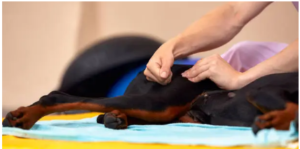 The first thing you should verify when looking for the best dog physical therapist is their qualifications. A certified physical therapist will have completed extensive education and training, specifically in animal therapy. Look for professionals who are certified by recognised bodies including the American Physical Therapy Association (APTA) or Canine Rehabilitation Institute (CRI). These certifications indicate that the therapist has the necessary knowledge and skills to work with animals, ensuring they are equipped to handle your dog’s condition safely and effectively.
Experience in Treating Dogs
While many physical therapists may have experience working with humans, treating dogs requires a different set of skills and knowledge. When searching for the best dog physical therapist, experience in treating animals should be a top priority. Ask how long they have been practising in the field of animal physical therapy and inquire about their experience with specific conditions that may relate to your dog, such as arthritis, hip dysplasia, or post-surgery recovery.
Experienced dog physical therapists will also be familiar with various therapeutic techniques, including hydrotherapy, massage, and exercise therapy. These professionals are more likely to thoroughly understand the unique needs of your dog and tailor their treatments accordingly.
Assess Their Knowledge of Dog Anatomy
A deep understanding of dog anatomy is essential for effective treatment. The best dog physical therapist near me will have a comprehensive understanding of how a dog’s muscles, joints, and bones work together, as well as how injuries or conditions may affect their movement. They should be able to explain your dog’s condition in simple terms and develop a treatment plan that addresses your dog’s specific issues.
This knowledge ensures that the physical therapist can choose the most appropriate therapy methods for your dog’s recovery. Whether it’s improving joint mobility or strengthening muscles, the therapist’s approach should be informed by a solid grasp of canine physiology.
Evaluate Their Approach to Treatment
Different therapists have varying approaches to rehabilitation. Some may focus primarily on hands-on treatments such as massage or manipulation, while others may emphasise specific exercises or hydrotherapy. It’s essential to understand how the physical therapist plans to treat your dog and whether their approach aligns with your dog’s needs.
The best dog physical therapist will provide a personalised treatment plan tailored to your dog’s injury, age, and overall health. They should also be open to working with your veterinarian to ensure that their treatment complements any other medical care your dog is receiving.
Consider the Facility and Equipment
When choosing the best dog physical therapist, it’s essential to consider the clinic or facility where they practice. The facility should be clean, well-maintained, and equipped with specialised equipment to treat your dog’s specific condition. Look for clinics that offer a range of treatment options, such as treadmills for dogs, underwater treadmills, cold laser therapy devices, and acupuncture tools. These advanced treatments can aid in speeding up recovery and improving your dog’s quality of life.
Additionally, check whether the facility has a comfortable, stress-free environment for dogs. A calm and welcoming atmosphere can make a huge difference in your dog’s experience, as animals are more likely to respond positively to therapy when they feel safe and relaxed.
Location and Accessibility
Consider the location and accessibility of the physical therapy clinic when choosing the best dog physical therapist. If you have to drive long distances for each appointment, it may become challenging to maintain a consistent therapy schedule. Look for a therapist located within a reasonable distance from your home to ensure that you can easily attend regular sessions.
Conclusion
Choosing the best dog physical therapist near me is a crucial step in helping your dog recover from injury, surgery, or mobility issues. By considering factors such as credentials, experience, treatment approach, and facility quality, you can make an informed decision that benefits your furry friend’s health. Remember that the right therapist will not only focus on your dog’s physical recovery but also create a positive, compassionate environment that promotes overall well-being.