
Sustainable landscape designer Adelaide specialises in crafting stunning outdoor environments that are climate-appropriate. They use native species adapted to local conditions that reduce additional inputs such as water, fertilisers and pesticides.
When selecting building materials for their garden, they consider how far the materials had to travel to arrive. Reclaimed lumber options may be preferable over new lumber options as this also reduces maintenance costs by decreasing mowing frequency, which saves gas and emissions costs. Sustainable landscaping also lowers maintenance costs by reducing mowing frequency and saving gas consumption and emissions costs.
Water Conservation
Sustainable landscape designer Adelaide employs water conservation practices such as grouping plants with similar water requirements, using native, drought-tolerant species and forgoing lawns (which require regular mowing and excessive water usage). Native shrubs, groundcovers, and meadow plantings require less upkeep than lush green lawns.
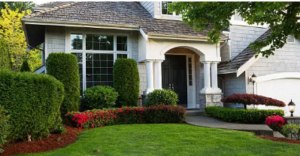 Hardscaping with recycled materials is another effective way to reduce material consumption and environmental impact. At the same time, sustainable gardens utilise organic fertilisers and compost yard trimmings, improving soil health while increasing biodiversity.
Sustainable landscape designs take into account more than choosing native and low-water plants; they must also consider local rainfall patterns and potential water sources. Rain gardens, swales and rain barrels may be installed to limit treated water usage while decreasing pesticide needs – saving both money and increasing property values in the process. Furthermore, eco-friendly options could add value and interest from potential homebuyers alike!
Pollution Prevention
Sustainability applies to everything from home gardens to entire commercial landscapes. It involves designing to minimise negative environmental impacts in every design aspect, from material choices used for hardscapes and plant beds to planting trees or shrubs around homes to reduce heating and cooling costs.
Reusing recycled building materials to construct patios, fences, and retaining walls is an environmentally responsible landscaping practice that reduces waste from production while helping reduce pollution caused by its production and transportation.
Conserving water is another way of being eco-friendly in a garden, by planting drought-resistant plants and installing drip irrigation systems that deliver direct water directly to their roots, along with mulch or gravel covering grass that prevents too much compaction (known as xeriscaping). Finally, homeowners can avoid polluting local waters by testing their soil before adding fertilisers — excess amounts lead to runoff that pollutes local waterways.
Energy Savings
Selecting native plants helps lower water usage, fertilisers and pesticides by better adapting to their surroundings in terms of climate, sunlight exposure, soil type and existing flora. They require no supplemental irrigation and thrive without constant pruning and trimming maintenance needs.
Reusing materials for hardscapes (paths, patios, walls, fences) is another sustainable landscape design practice. By choosing gravel and un-mortared flagstone as pathway materials instead of polluting storm drains directly, water can percolate into the ground where plants can access it directly.
Once established, sustainable landscaping can offer numerous advantages, from energy savings and water conservation to biodiversity promotion and property value enhancement. However, all this starts with thoughtful design; ongoing maintenance services that don’t prioritise sustainability could undo many of these gains; therefore, an experienced professional should be used when planning and overseeing such an effort.
Reduced Maintenance
Whether for home garden design or a large commercial landscape, eco-friendly practices help reduce maintenance. It means less mowing, which helps lower air pollution levels and fuel consumption.
Permeable hardscaping provides another effective option, allowing rainwater to infiltrate soil more readily and reduce runoff. The sustainable landscape designer Adelaide goal is to decrease turf areas that require regular mowing costs.
Add functionality to your designs by creating microclimates using slope, wind, sun, walls/fences, seating arrangements and plant materials suited for the site. The result will be an attractive landscape that requires less work while being healthier with reduced pest outbreaks and cost savings from fewer fertilisers/chemical treatments/water usage.
A landscape designer uses their knowledge of design principles, horticulture, and environmental considerations to create functional and beautiful outdoor spaces. They assess the site and take into account factors like climate, topography, soil, water sources, existing vegetation, and wildlife to create a landscape that is both functional and aesthetically pleasing1.

