
Archives (page 14 of 28)

Steel Supplies Adelaide: Your Comprehensive Guide

Steel is a crucial material in construction, manufacturing, and various industrial applications, pivoting in ensuring the strength, durability, and reliability of the final product. Suppose you are based in Adelaide, South Australia, and are searching for high-quality steel supplies. For more steel supplies, check this out.

Why Steel Supplies are Essential for Adelaide
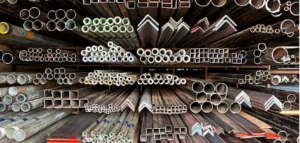
steel suppliesAdelaide, one of the major cities in Australia, has a booming construction and manufacturing industry. The city is constantly evolving with infrastructure projects, home renovations, and commercial developments, all of which require dependable steel supplies. Steel’s versatility allows it to be used in everything from structural frames to plumbing systems, roofing, and even decorative elements in modern architecture.

Types of Steel Supplies Available in Adelaide

The world of steel supplies is vast, with various types of steel designed to meet specific needs. In Adelaide, you’ll find a wide range of steel products available, suitable for both small-scale and large-scale projects.

Structural Steel

Structural steel is a common choice for building frameworks, bridges, and other infrastructure. It offers excellent strength and can withstand heavy loads and stress, making it ideal for construction in both commercial and residential settings. In Adelaide, many suppliers offer structural steel in different grades and specifications, ensuring that contractors can find the right product for their projects.

Steel Beams and Columns

Steel beams and columns are crucial for building structural integrity. Adelaide-based suppliers provide a range of steel beams, including I-beams, H-beams, and universal columns. These beams offer high load-bearing capacity, ensuring the stability of any construction project.

Steel Pipes and Tubing

Steel pipes and tubing are widely used in plumbing, gas, and water systems and for industrial purposes. Adelaide’s steel supplies include high-grade steel pipes suitable for both underground and above-ground installations. Whether for extensive industrial facilities or residential construction, steel pipes offer durability and resistance to corrosion.

Sheet and Plate Steel

Sheet and plate steel are versatile products used in a variety of applications, from roofing and cladding to the automotive and manufacturing industries. Adelaide suppliers offer steel sheets in different thicknesses and finishes, including galvanised steel, which provides additional corrosion resistance.

Reinforcing Steel (Rebar)

Reinforcing steel, also known as rebar, is used to reinforce concrete in construction projects. Adelaide’s steel suppliers offer rebars of various lengths and diameters, suitable for both large commercial projects and smaller residential works. Rebar enhances the tensile strength of concrete, ensuring long-lasting and durable structures.

Benefits of Sourcing Steel Supplies Locally in Adelaide

When sourcing steel supplies for your project in Adelaide, buying locally comes with numerous benefits. These include:

Faster Delivery Times

Local steel suppliers in Adelaide can often provide faster delivery times compared to interstate or overseas suppliers. It means you can keep your project on schedule and avoid costly delays.

Cost-Effective Solutions

Purchasing steel locally helps reduce transportation costs, which can significantly impact the overall budget of your project. Local suppliers may also offer competitive pricing and bulk discounts, helping you save money without compromising on quality.

Expert Advice and Support

Adelaide-based steel suppliers are familiar with local building codes, environmental conditions, and industry standards. It allows them to offer tailored advice on the best steel products for your specific project. Whether you need assistance with choosing the correct grade of steel or advice on installation, local suppliers are there to help.

Support for the Local Economy

By purchasing steel supplies from local businesses, you contribute to the Adelaide economy and help support local jobs. It is particularly important in a city where the manufacturing and construction sectors are significant contributors to the community’s well-being.

Conclusion:

When it comes to sourcing steel supplies in Adelaide, you are in good hands with numerous reputable suppliers offering a wide range of steel products suitable for various applications. Whether you’re working on a major construction project or a minor DIY job, finding the right steel supplier will ensure that you get high-quality materials that meet the specific demands of your project. From structural steel to reinforcing rebar, Adelaide’s steel supply industry is well-equipped to cater to all your needs.

Property Management: A Comprehensive Guide

Property management is a crucial aspect of the real estate industry, especially in New Zealand, where the rental market is thriving. As more people look for rental properties, the need for effective property management services has increased.

This article will delve deep into the intricacies of property management in New Zealand, exploring its significance, key responsibilities, and the benefits it offers to property owners and tenants alike. For more information about the property management, click here.

What is Property Management?

property managementProperty management significantly refers to the entire operation, control, and oversight of real estate properties on behalf of the owner. In New Zealand, property management encompasses residential, commercial, and industrial properties. Property managers significantly act as intermediaries between property owners and tenants, ensuring that all parties meet their obligations and that the property is maintained to a high standard.

The Importance of Property Management in New Zealand

The rental market in New Zealand has seen considerable growth, driven by a rising population, increasing housing demand, and a vibrant economy. As a result, property management services have become essential for both landlords and tenants. Here are some notable reasons why property management is vital in New Zealand:

  • Regulatory Compliance: New Zealand has strict regulations governing rental properties, including the Residential Tenancies Act. Property managers ensure that property owners comply with these laws, significantly reducing the risk of legal issues.
  • Market Knowledge: Property managers possess extensive knowledge of the local rental market, including pricing trends and demand dynamics. This expertise helps landlords set competitive rental rates and attract quality tenants.
  • Tenant Screening: Finding reliable tenants is crucial for minimising vacancies and ensuring consistent rental income. Property managers conduct thorough background checks, including credit and reference checks, to select trustworthy tenants.
  • Maintenance and Repairs: Property management involves regular property maintenance to uphold its value. Property managers coordinate repairs, conduct routine inspections, and address tenant concerns promptly.
  • Financial Management: Property managers handle financial aspects, including rent collection, budgeting, and financial reporting. It allows property owners to maintain their investments without getting bogged down in administrative tasks.

Critical Responsibilities of Property Managers

Property managers in New Zealand undertake various responsibilities to significantly ensure the efficient operation of rental properties. Some of their essential duties include:

  • Marketing Properties: Property managers create effective marketing strategies to promote available rental properties. It may involve online listings, social media marketing, and open house events.
  • Tenant Relations: Maintaining positive relationships with tenants is crucial for tenant retention. Property managers address tenant inquiries, resolve disputes, and ensure a good living experience.
  • Lease Agreements: Property managers prepare and enforce lease agreements outlining the terms and conditions of the rental arrangement. They ensure that both parties understand their rights and responsibilities.
  • Property Inspections: Regular inspections are vital for maintaining property condition. Property managers conduct inspections to identify maintenance needs and ensure that tenants adhere to lease terms.
  • Eviction Processes: In cases where tenants fail to meet their obligations, property managers manage the eviction process in compliance with New Zealand laws, ensuring a fair and legal approach.

Benefits of Professional Property Management

Engaging a professional property management service in New Zealand offers numerous benefits to property owners:

  • Time-Saving: Property management is time-consuming. Hiring a professional allows property owners to focus on other commitments while ensuring their investment is well-managed.
  • Expertise: Property managers bring industry knowledge and expertise, enabling them to navigate the complexities of the rental market effectively.
  • Reduced Vacancy Rates: With their marketing strategies and tenant screening processes, property managers help reduce vacancy rates, ensuring a consistent rental income.
  • Peace of Mind: Knowing that a professional is managing their property gives owners peace of mind. Property managers handle tenant issues, maintenance, and regulatory compliance.
  • Maximised Return on Investment: Effective property management can enhance the overall value of the property, leading to better returns on investment for property owners.

Conclusion:

Property management is an essential service in New Zealand’s real estate market, providing invaluable support to property owners and tenants. By ensuring regulatory compliance, optimising tenant relations, and maintaining property conditions, property managers play a pivotal role in enhancing the overall rental experience.

Pallet Freezer Spacers: The Role of High-Quality Pallet Freezer Spacers in Preserving Frozen Goods

Preserving the integrity of frozen goods is crucial in cold storage and logistics. One often overlooked aspect of maintaining product quality is the use of pallet freezer spacers. These simple yet highly effective devices play an integral role in maintaining optimal air circulation between stacked pallets, ensuring that frozen products are preserved correctly throughout the cold chain. In this article, we explore the critical function of high-quality pallet freezer spacers like StockinetteBags pallet freezer spacers and their impact on frozen goods preservation in Australia.

What Are Pallet Freezer Spacers?

StockinetteBags pallet freezer spacersPallet freezer spacers are interlocking, reusable plastic or polymer grids that are placed between stacked pallets of frozen goods. These spacers create channels for cold air to circulate efficiently, allowing for uniform freezing and consistent temperature maintenance across all pallets. They come in various designs, depending on the requirements of the product and storage environment, and are essential for optimising cold airflow in freezer rooms or during transportation.

Importance of High-Quality Pallet Freezer Spacers

When it comes to preserving frozen goods, the quality of pallet freezer spacers can make a significant difference. Low-quality spacers may fail under pressure, causing poor air circulation, which can lead to temperature inconsistencies, product spoilage, and even freezer burn. Conversely, high-quality pallet freezer spacers ensure that cold air permeates every layer of stacked pallets, maintaining the ideal temperature for frozen goods and protecting product integrity.

Optimised Air Circulation for Uniform Freezing

One of the primary functions of pallet freezer spacers is to optimise airflow between stacked products. High-quality spacers ensure that air can flow freely through all layers of stacked pallets. It is especially important in large cold storage facilities where pallets are stacked high, and air may struggle to reach the inner sections without proper spacing.

Prevention of Freezer Burn and Product Spoilage

Freezer burn, which occurs when the surface of a frozen product becomes dehydrated due to improper freezing, is a major concern in cold storage operations. This phenomenon not only affects the appearance and texture of frozen goods but also diminishes their nutritional value and shelf life.

Moreover, the increased airflow achieved through pallet freezer spacers helps prevent moisture buildup between products, which can lead to spoilage. Inadequate freezing conditions can result in microbial growth, which poses a significant threat to food safety. By facilitating consistent and even freezing, pallet freezer spacers help mitigate these risks.

Durability and Load-Bearing Capacity

Durable pallet freezer spacers are designed to withstand the rigours of cold storage environments, where temperature fluctuations and moisture are common. High-quality spacers are often made from heavy-duty polymers that can support the weight of stacked pallets without deforming or breaking down over time.

A spacer’s ability to bear weight without collapsing is crucial in ensuring the stability of stacked pallets. Weak or poorly constructed spacers can lead to uneven stacking, which can cause pallets to shift or topple, resulting in damaged goods and safety hazards for workers. High-quality pallet freezer spacers offer a reliable, long-term solution to this issue, enhancing the overall safety and efficiency of the cold storage environment.

Enhanced Cold Chain Efficiency

The cold chain, which refers to the entire supply chain process that involves storing and transporting temperature-sensitive products, depends heavily on the consistency and reliability of the freezing process. High-quality pallet freezer spacers contribute to the efficiency of the cold chain by ensuring that products remain at the optimal temperature throughout their journey from production to end-user.

Because of their durability and performance in extreme cold, these spacers help minimise delays and reduce the likelihood of spoilage during transportation. Maintaining consistent airflow and freezing conditions is especially vital during long-distance shipping, where any temperature deviation could compromise the quality of the goods being transported.

Conclusion

In the world of cold storage and logistics, maintaining the integrity of frozen goods is essential. High-quality pallet freezer spacers are a critical tool in this process, providing uniform air circulation, preventing product spoilage, and improving overall cold chain efficiency. Their durability ensures long-lasting performance, making them a cost-effective solution for businesses that depend on the reliable preservation of frozen goods.

Investing in StockinetteBags pallet freezer spacers not only protects product quality but also contributes to a more efficient and sustainable cold storage operation in Australia. Whether for food, pharmaceuticals, or other temperature-sensitive goods, the role of these spacers in preserving frozen products cannot be overstated.

Pumps: A Blend of Style and Functionality

Australia’s fashion landscape continues to evolve, with a renewed focus on versatility and timeless elegance. Among the staples in Australian wardrobes, pump footwear has emerged as a must-have for both professional and casual settings. Offering the perfect balance between sophistication and comfort, pumps are becoming increasingly popular across cities like Sydney, Melbourne, Brisbane, and beyond.


This article explores the growth, relevance, and future of pump footwear in Australia, guiding consumers and retailers through the shifting trends and demands in the market.

Versatility Redefined: Why Pumps Appeals to Australians

pumpsPumps has long been associated with classic femininity and polished aesthetics. Traditionally worn in corporate environments, modern pumps have undergone significant design evolution to meet diverse needs. Australian consumers now seek fashion that can transition seamlessly from day to night, and pumps deliver precisely that.

 

Today’s pumps are available in an array of styles—from traditional pointed-toe designs to block heels, kitten heels, slingbacks, and even open-toe variations. This broad range makes them suitable for corporate professionals, hospitality workers, retail staff, and anyone who values a refined yet comfortable shoe.


Whether paired with a tailored suit, a casual dress, or denim jeans, pumps enhances an outfit with minimal effort. Their appeal lies in elevating even the simplest looks without compromising comfort—a key concern for Australians who value practicality alongside style.

Pumps for the Professional Market

The corporate sector in Australia is one of the largest consumers of pump footwear. In cities like Sydney and Melbourne, where formal dress codes are still widely observed in financial and legal industries, pumps remain a staple. However, there is a noticeable shift towards comfort-focused designs, such as cushioned insoles, ergonomic arch support, and breathable linings.


Australian footwear brands have responded to this demand by launching collections that combine elegance with workday comfort. Premium leathers, padded soles, and flexible materials have made it easier for women to wear pumps all day without discomfort. These innovations are particularly beneficial for professionals who commute long distances or stand for extended periods.


Moreover, remote and hybrid work arrangements have also altered fashion choices. Australians now seek pumps that is functional enough for in-office meetings yet stylish enough for off-duty social events. The rise of minimalist and neutral-tone pumps aligns perfectly with this trend, offering understated elegance for multiple contexts.


Embracing Sustainability in Footwear Manufacturing

Sustainability is no longer a buzzword—it’s a consumer expectation. Australian buyers are increasingly conscious of ethical production methods and environmentally responsible materials, and this sentiment has extended to the pumps market as well.


Several Australian footwear brands are now embracing sustainable practices, using eco-friendly leather alternatives, recycled materials, and transparent supply chains. Pumps made from plant-based leather or biodegradable soles have started appearing on the shelves, appealing to environmentally minded consumers.


Furthermore, local manufacturing is making a comeback, supported by buyers who prefer Australian-made products to reduce carbon footprints and support local industries. This not only strengthens the economy but also ensures higher quality standards and ethical labour practices.


Pumps for Special Occasions: Weddings, Events, and More


Beyond the workplace, pumps plays a vital role in special events and formal gatherings. From weddings to gala dinners and race-day fashion, pumps are a go-to choice for their classic silhouette and comfort factor.


Australian designers have tapped into this market by creating stunning collections of pumps tailored for bridal parties, formalwear, and red carpet events. Metallic finishes, embellished heels, velvet textures, and pastel hues allow for personal expression while maintaining a refined profile.


Additionally, many event venues in Australia—especially those with natural terrains such as vineyards and coastal locations—require shoes that provide both elegance and stability. Block-heeled pumps and low-heeled options have gained popularity for this reason, offering style without the hazards of stilettos.


Conclusion

Pumps are no longer just a formal shoe option in Australia—they’re a symbol of modern versatility, conscious fashion, and elegant practicality. From the corporate boardroom to evening functions and eco-conscious shopping, pumps have secured their place as a staple in Australian footwear.


As local brands push innovation and global trends influence design choices, the future of pumps in Australia is bright, stylish, and full of potential. Whether you’re stepping into a meeting or onto a dance floor, the right pair of pumps will consistently deliver confidence, class, and comfort.

Asbestos Removal Adelaide: Essential Guide for Homeowners

When it comes to maintaining a safe and healthy living environment in Adelaide, SA, one critical aspect that homeowners must address is asbestos removal. Asbestos, a naturally occurring mineral once widely used in construction, poses serious health risks if not handled correctly. Understanding the process and importance of asbestos removal can help you protect your home and family from potential hazards. For the safest and quickest asbestos removal, click here.

What is Asbestos?

safest and quickest asbestos removalAsbestos is a group of six naturally occurring silicate minerals known for its heat resistance, durability, and insulating properties. These properties made asbestos an attractive material for construction and insulation in the past. However, it has since been linked to severe health conditions, including lung cancer, asbestosis, and mesothelioma. As a result, many countries, including Australia, have strict regulations governing its use and removal.

Why is Asbestos Removal Crucial?

In Adelaide, SA, asbestos removal is essential for several reasons:

  • Health Risks: Asbestos fibres, when disturbed, become airborne and can be inhaled. Prolonged exposure to these fibres is known to cause serious health issues. Ensuring asbestos is safely removed reduces the risk of exposure and protects the well-being of residents.
  • Legal Compliance: Australian laws and regulations mandate that asbestos-containing materials (ACMs) must be managed or removed by licensed professionals. Non-compliance can result in significant penalties.
  • Property Value: Homes with undisturbed asbestos might face reduced market value. Prospective buyers are increasingly cautious about properties with potential asbestos issues. Proper removal can enhance property value and marketability.

The Asbestos Removal Process in Adelaide

Effective asbestos removal involves a series of critical steps, which licensed professionals must carry out to ensure safety and compliance with local regulations.

Here’s an overview of the typical process:

  • Assessment and Inspection: The first step in asbestos removal is a thorough assessment of the property. Qualified professionals will inspect the site to identify any asbestos-containing materials. They will also determine the extent of the contamination and the best removal strategy.
  • Risk Assessment and Planning: Based on the inspection, a detailed risk assessment and removal plan are developed. This plan outlines the methods and precautions needed to safely remove the asbestos. It also includes measures to minimise the risk of contamination and protect the health of workers and residents.
  • Removal and Disposal: Asbestos removal must be carried out by licensed and trained professionals. They use highly specialised equipment and techniques to safely remove and contain the asbestos materials. The removed asbestos is then carefully packaged and disposed of at approved waste disposal facilities.
  • Site Clearance and Certification: After removal, the site is cleaned and inspected to ensure that no asbestos fibres remain. A clearance certificate is issued to confirm that the area is safe and free from asbestos contamination.
  • Documentation and Reporting: Throughout the process, detailed records are kept, including inspection reports, removal plans, and disposal documentation. These records are essential for compliance and future reference.

Choosing the Right Asbestos Removal Service

Selecting a reputable asbestos removal service in Adelaide is remarkably crucial for ensuring a safe and efficient process. Here are some tips for choosing the right professionals:

  • Licensing and Certification: Ensure that the company is fully licensed and certified for asbestos removal. In Adelaide, this typically involves holding an asbestos removal license issued by SafeWork SA.
  • Experience and Expertise: Look for companies with an excellent proven track record in asbestos removal. Experienced professionals will be familiar with local regulations and best practices..
  • Insurance: Ensure to verify that the company has adequate insurance coverage. It protects you in case of any accidents or damage during the removal process.
  • References and Reviews: Check customer reviews and seek references to properly gauge the quality of service and customer satisfaction.
  • Cost and Quotes: Obtain detailed quotes from multiple companies. While cost is an essential factor, it must not be the sole consideration. Ensure that the quote clearly includes all aspects of the removal process, including disposal and certification.

Conclusion:

Asbestos removal in Adelaide, SA, is a critical process for significantly ensuring the safety and health of your home environment. By thoroughly understanding the risks associated with asbestos and following proper removal procedures, you can protect your family and property from the serious dangers of asbestos exposure.

Home Extensions: A Comprehensive Guide

Home extensions have become a popular choice for homeowners in New Zealand looking to enhance their living spaces. Whether you’re aiming to increase the value of your property, accommodate a growing family, or create a more functional living environment, home extensions offer a practical solution. This guide will explore the benefits, trends, and considerations involved in home extensions in New Zealand, helping you make a significant, informed decision for your project. For professional home extensions services, check this out.

Why Consider Home Extensions?

home extensionsHome extensions are an attractive alternative to moving house, offering several benefits:

  • Cost-Effective: Extending your home can be more affordable than purchasing a new property, especially in high-demand areas where property prices are rising.
  • Increased Property Value: A well-planned extension can significantly boost your home’s market value, making it a sound investment if you plan to sell in the future.
  • Enhanced Living Space: Whether you need an extra bedroom, a larger kitchen, or a home office, extensions allow you to customise your space according to your needs without having to relocate.
  • Personalisation: Home extensions provide the opportunity to create a living space that reflects your style and preferences.

Popular Types of Home Extensions in New Zealand

  • Single-Storey Extensions: These are ideal for adding extra rooms on the ground level. Popular options include additional bedrooms, larger living areas, or expanded kitchens.
  • Double-Storey Extensions: If your property has limited ground space, a double-storey extension allows you to build upwards, creating more room without altering the footprint of your home.
  • Garage Conversions: Transforming your garage into a functional space like a home office, gym, or extra living area can be a practical way to utilise existing structures.
  • Sunrooms and Conservatories: These extensions provide a bright, airy space that can be used for relaxation, dining, or growing plants.
  • Outdoor Living Areas: Incorporating features like decks, patios, or outdoor kitchens can enhance your home’s functionality and provide a space for entertaining.

Critical Considerations for Home Extensions

  • Budget: Determine your budget early in the planning process. Include costs for design, materials, permits, and construction. It’s wise to fully set aside a contingency fund for unexpected expenses.
  • Design and Functionality: Work with an architect or designer to create a plan that fits your needs and complements your existing home. Consider how the extension will integrate with your current layout and aesthetic.
  • Local Regulations and Permits: New Zealand has specific building codes and regulations that must be completely adhered to. Ensure you obtain the necessary permits from your local council before starting construction.
  • Impact on Property Value: While extensions can increase property value, it’s essential to ensure that the design fully aligns with the preferences of potential buyers in your area.
  • Sustainability: To reduce the environmental impact of your extension, consider incorporating eco-friendly features, such as energy-efficient windows, insulation, and sustainable materials.

Trends in Home Extensions

  • Open-Plan Living: Modern extensions often feature open-plan designs that significantly create seamless transitions between indoor and outdoor spaces. This trend promotes a sense of spaciousness and improves flow within the home.
  • Smart Home Integration: Technology is increasingly being incorporated into home extensions, with intelligent lighting, heating, and security systems becoming popular features.
  • Eco-Friendly Solutions: Homeowners are increasingly prioritising sustainability, with trends including solar panels, rainwater harvesting, and the use of recycled materials.
  • Multifunctional Spaces: With the rise of remote working and changing family dynamics, there is a growing demand for multifunctional spaces that can serve as home offices, gyms, or guest rooms.
  • Modern Aesthetics: Clean lines, natural materials, and minimalistic designs are trending in home extensions, reflecting contemporary architectural preferences.

Choosing the Right Builder

Selecting a reliable builder is crucial for the success of your home extension project. Look for professionals with experience in home extensions and positive client reviews. It’s also essential to verify that they are licensed and insured. Obtain multiple quotes and ensure that the builder understands your vision and can significantly work within your budget and timeline.

Conclusion:

Home extensions in New Zealand offer a valuable opportunity to enhance your living space and improve your property’s value. By carefully considering your overall needs, budget, and design preferences, you can create a functional and stylish extension that meets your requirements.

Roof Repair Adelaide: Ensuring Longevity and Safety

One of the most crucial aspects of maintaining your home is ensuring that your roof remains in top condition. Roof repair in Adelaide, SA, is a vital service that helps homeowners protect their investments and maintain safety and comfort. For more information about wind damage roof repair, click here.

Why Roof Repair is Essential

wind damage roof repairYour roof is the first line of defence against the elements. In Adelaide, where the weather can range from intense summer heat to heavy rains and occasional storms, a well-maintained roof is essential. Regular roof repair not only extends the lifespan of your roofing system but also prevents more significant issues down the line.

Common Roof Problems in Adelaide

  • Leaks and Water Damage: One of the most common issues is roof leaks, often caused by damaged shingles, broken tiles, or worn-out flashing. In Adelaide’s variable weather, leaks can quickly escalate into significant problems, causing water damage to ceilings, walls, and insulation.
  • Storm Damage: Severe weather conditions, including hailstorms and high winds, can cause considerable damage to roofs. Missing shingles, cracked tiles, and bent metal flashing are common problems resulting from storms.
  • Gutter Issues: Clogged or damaged gutters can seriously cause water to pool on the roof, significantly increasing the risk of excessive leaks and water damage. Proper gutter maintenance is crucial for effective roof repair.
  • Wear and Tear: Over time, roofs naturally deteriorate significantly due to exposure to sunlight, rain, and wind. Regular inspections and repairs are extremely necessary to address issues such as cracked shingles or deteriorated underlayment. For more information about wind damage roof repair, click here.

Signs You Need Roof Repair

Knowing when to seek professional help can remarkably save you from extensive damage and costly repairs. Look out for the following signs:

  • Visible Damage: Cracked or missing shingles, damaged tiles, or visible leaks in your attic.
  • Water Stains: Dark spots or stains on your ceilings or walls indicate potential leaks.
  • Increased Energy Bills: If your energy bills are continuously rising, it might be due to poor insulation or ventilation caused by roofing issues.
  • Debris in Gutters: Excessive debris or granules from shingles in your gutters can signal roofing problems.

Choosing the Right Roof Repair Service in Adelaide

Selecting a reputable roof repair professional is essential for ensuring quality and reliability. Here are some tips to help you make the right choice:

  • Check Credentials: Ensure that the roofing company is fully licensed, insured, and certified. It assures that they meet industry standards and can handle various roofing issues.
  • Experience and Expertise: Look for reputable companies with a proven track record in roof repair. Experienced professionals are more likely to properly diagnose and fix problems efficiently.
  • Get Multiple Quotes: Obtain quotes from a number of roofing contractors to compare prices and services. Be cautious of quotes that seem unusually low, as they may indicate subpar artistry or materials.
  • Read Reviews and References: Check online reviews and ask for references from past clients. Positive feedback and satisfied customers are undeniably strong indicators of a reliable service provider.
  • Warranty and Guarantees: A reputable roofing company should offer warranties on their artistry and materials. It provides added protection and peace of mind.

The Roof Repair Process

Understanding the roof repair process can help you stay informed and involved. Here’s a general overview of what to expect:

  • Inspection: A thorough inspection is conducted to assess the extent of the damage and thoroughly determine the best repair approach. For more information about wind damage roof repair, click here.
  • Assessment and Quotation: Based on the inspection, the contractor will provide a detailed assessment and a quotation for the repair work.
  • Repair Work: The repair process may involve replacing damaged shingles or tiles, fixing leaks, or addressing issues with flashing and gutters.
  • Final Inspection: After the repairs are finally completed, a final inspection ensures that all issues are resolved and the roof is in optimal condition.
  • Maintenance Advice: The contractor may offer advice on maintaining your roof to prevent future problems and extend its lifespan.

Conclusion:

Roof repair in Adelaide, SA, is crucial for maintaining the overall safety, comfort, and value of your home. By recognising common roof problems, choosing a reliable repair service, and staying proactive with maintenance, you can ensure your roof remains in excellent condition for years to come.

Commercial Builders Adelaide: How to Select the Right Commercial Builder for Your Retail Project

Choosing the appropriate commercial builder for your retail project in Adelaide is essential for the success of your business. Retail spaces are distinct environments that demand specialised skills and knowledge to be designed and constructed properly. The right commercial builder will bring your vision to life by creating a space that is both practical and visually appealing to customers. This guide offers key tips and insights to help you make a well-informed decision when selecting commercial builders for retail spaces.

Experience with Retail Spaces

commercial builders for retail spacesWhen searching for commercial builders for retail spaces, one of the most critical factors to consider is their experience in the retail sector. Retail construction requires a different skill set compared to other types of commercial building projects. An experienced builder will understand the nuances of retail design, such as the importance of layout, customer flow, and the integration of brand identity into the physical space.
Understanding of Local Building Codes and Regulations

Full compliance with local building codes and regulations is non-negotiable in any construction project, and retail spaces are no exception. A reputable commercial builder should have an in-depth understanding of the local codes, zoning laws, and other regulatory requirements that apply to retail construction. This knowledge is essential for avoiding costly delays or fines that can arise from non-compliance. Before hiring a builder, inquire about their familiarity with the specific regulations in your area and how they ensure adherence throughout the project.

Project Management Capabilities

Strong project management is essential for the successful completion of any retail construction project. The right commercial builder should have strong project management skills, ensuring that all aspects of the project are well-coordinated and executed on time and within budget. It includes managing subcontractors, scheduling, procurement of materials, and communication with stakeholders. Ask potential commercial builders for retail spaces about their project management approach and how they effectively handle challenges such as unexpected delays or changes in project scope.

Customisation and Flexibility

Every retail space is unique, and your builder should be able to significantly offer customised solutions that meet your specific needs. Whether you’re creating a flagship store or a small boutique, the builder should be flexible enough to adapt to your requirements. It might include incorporating unique design elements, adjusting to changes in project scope, or working with specific materials that align with your brand’s image. Discuss your vision with potential builders and assess their ability to successfully deliver a tailored solution that aligns with your goals.

Budget and Cost Transparency

Budget is frequently one of the biggest concerns in any construction project. A reliable commercial builder should offer clear and transparent pricing, including a full breakdown of costs. It should cover not only the construction itself but also additional expenses like permits, design fees, and contingency funds. Be cautious of builders who present significantly lower bids than others, as this could signal cost-cutting measures that may compromise quality. Instead, opt for a builder who provides a fair price along with a clear explanation of how your money will be spent.

Reputation and References

A builder’s reputation in the industry is a strong indicator of their reliability and quality of work. When considering commercial builders for retail spaces, take the time to research their reputations. Look for reviews and testimonials from previous clients, and ask the builder for references. Speaking directly with past clients can provide valuable insights into the builder’s performance, including their communication skills, strict adherence to deadlines, and the overall quality of their work.

Post-Construction Support

The relationship with your builder shouldn’t end when the construction is complete. Post-construction support is crucial, especially for retail spaces that may require adjustments or maintenance after opening. A reputable builder should offer a warranty on their work and be available to immediately address any issues that arise after the project is finished. Discuss post-construction services with potential builders to ensure they stand by their work and are committed to your long-term satisfaction.

Conclusion

Selecting the right commercial builders for retail spaces is a critical decision that can hugely impact the success of your business. By focusing on builders with experience in retail spaces, strong project management skills, transparency in pricing, and a solid reputation, you can ensure that your project is completed to the highest standards. Remember, the right builder will not only meet your expectations but exceed them, delivering a retail space that is both functional and reflective of your brand’s identity.

Marquee Hire Adelaide: The Ultimate Guide for Your Event

When it comes to hosting a memorable event in Adelaide, South Australia, choosing the right venue is crucial. Whether you’re planning a wedding, corporate event, birthday party, or community gathering, a marquee can provide the perfect solution. Marquee hire in Adelaide offers flexibility, customisation, and the ability to successfully create a unique atmosphere tailored to your event’s needs. For more information about the marquee hire, click here.

Why Choose Marquee Hire in Adelaide?

marquee hireAdelaide’s beautiful weather and picturesque landscapes make it an ideal location for outdoor events. However, weather can be unpredictable, and having a marquee ensures your event is protected from unexpected rain or intense sun. Here are some reasons why marquee hire is an excellent choice for your event in Adelaide:

Flexibility and Customisation

One of the most significant advantages of hiring a marquee is the flexibility it offers. You can choose the size, layout, and style that perfectly suits your event. Whether you’re hosting an intimate gathering or a large-scale celebration, a marquee hire in Adelaide will allow you to create a space that meets your exact requirements.

Unique Atmosphere

Marquees offer a blank canvas that can be transformed into anything you envision. From elegant weddings with chandeliers and draped fabric to casual parties with rustic charm, the possibilities are endless.

Weather Protection

Adelaide’s climate can be unpredictable, especially during the summer months. A marquee provides shelter from the elements, ensuring that your event goes off without a hitch. Whether it’s a sudden downpour or scorching sun, a marquee offers peace of mind and comfort for your guests.

Versatility

Marquees can be set up in various locations, including gardens, parks, and private properties. This versatility allows you to host your event in a location that holds special meaning or offers stunning views.

Types of Marquees Available for Hire

When it comes to marquee hire in Adelaide, there are several options to choose from, depending on the style and size of your event. Here are some popular types of marquees available:

Clear Span Marquees

Clear-span marquees are a popular choice for larger events. They provide unobstructed interior space, allowing for flexible layouts and clear sightlines. These marquees are ideal for weddings, corporate events, and exhibitions.

Pagoda Marquees

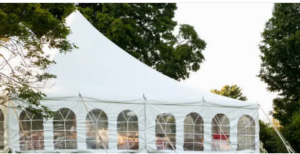
Pagoda marquees, featuring a peaked roof, are known for their elegant and stylish design. They are perfect for smaller events or as additional structures for more significant events, such as entranceways or lounge areas.

Stretch Tents

Stretch tents offer a modern and versatile option for marquee hire in Adelaide. These tents can be configured in various shapes and sizes, making them suitable for both intimate gatherings and large celebrations. Their unique design allows them to blend seamlessly with the surrounding environment.

Traditional Pole Marquees

Traditional pole marquees exude classic charm with their sweeping lines and central poles. They are ideal for weddings and events with a vintage or rustic theme. These marquees create a warm and inviting atmosphere, perfect for creating lasting memories.

Factors to Consider When Hiring a Marquee

Before you hire a marquee for your event in Adelaide, there are several factors to consider to ensure everything runs smoothly:

Size and Capacity

Determine the number of guests you plan to invite and the type of event you’re hosting. It will help you choose the appropriate size of the marquee.

Location and Ground Type

The location where you plan to set up the marquee is essential. Ensure the ground is level and suitable for marquee installation. Some marquee hire companies in Adelaide may also offer site inspections to assess the location.

Weather Conditions

While marquees provide shelter, it’s essential to consider the season and weather conditions during your event. For summer events, consider marquees with ventilation options or fans. For winter events, you may need heating solutions to keep your guests comfortable.

Conclusion:

Marquee Hire in Adelaide, SA, offers a versatile and customisable solution for a wide range of events. Whether you’re planning a wedding, corporate function, or private party, a marquee provides the perfect setting to create a memorable experience.

Rubbish Dumps Adelaide: Everything You Need to Know

When it comes to managing waste, Adelaide, South Australia, is well-equipped with various rubbish dumps designed to handle the city’s disposal needs. From residential to commercial waste, understanding how these dumps work, their benefits, and how to properly use them can make a significant difference in maintaining a clean and sustainable environment. For more rubbish dumps, check this out.

rubbish dumpsWhat Are Rubbish Dumps?

Rubbish dumps, also known as landfills, are designated sites where waste is disposed of and managed. These facilities play a critical role in waste management by providing a controlled environment where rubbish can be deposited, processed, and contained.

Types of Rubbish Dumps in Adelaide

  • General Waste Dumps: These are designed to accept a broad range of household and commercial waste, including non-recyclable materials. They are crucial for handling general rubbish that cannot be processed through other recycling or disposal methods.
  • Green Waste Dumps: Specific to organic waste such as garden clippings, food scraps, and other biodegradable materials, green waste dumps are essential for composting and reducing landfill volumes. This type of waste is often processed into compost or mulch, benefiting the environment.
  • Construction and Demolition Waste Dumps: These facilities handle waste generated from construction sites, renovations, and demolitions. Materials like concrete, bricks, wood, and metals are collected here for recycling or safe disposal.
  • Hazardous Waste Dumps: For materials that pose a risk to health or the environment, such as chemicals, paints, and electronic waste, hazardous waste dumps are equipped to manage these substances safely. Special procedures are followed to ensure that hazardous materials are contained and treated correctly.

Benefits of Rubbish Dumps in Adelaide

  • Environmental Protection: Properly managed rubbish dumps help prevent illegal dumping and ensure that waste is contained in a controlled environment, minimising the risk of pollution and environmental damage.
  • Resource Recovery: Many dumps, especially those handling green waste and construction materials, are designed to recover resources. By recycling and reprocessing waste, these facilities contribute to sustainability efforts and reduce the demand for virgin materials.
  • Public Health: By providing a designated space for waste disposal, rubbish dumps help keep residential and commercial areas clean, reducing the potential for health hazards associated with improper waste management.
  • Compliance with Regulations: Rubbish dumps operate under strict regulations to ensure that waste is managed according to environmental and health standards. This compliance helps maintain a high standard of waste management across Adelaide.

How to Use Rubbish Dumps in Adelaide

  • Know What to Dispose Of: Before visiting a rubbish dump, familiarise yourself with the types of waste accepted at each facility. Some dumps may have restrictions on certain materials or require special handling for hazardous items.
  • Sort Your Waste: Properly sorting waste into categories such as general, green, and hazardous helps streamline the disposal process and ensures that materials are directed to the appropriate facilities.
  • Follow Facility Guidelines: Each rubbish dump in Adelaide has specific guidelines and operating hours. Follow these instructions, including any requirements for waste separation or pre-approval for certain types of waste.
  • Consider Alternatives: For items that are recyclable or reusable, explore alternatives to disposal. Many materials can be taken to recycling centres or donation points, reducing the volume of waste sent to dumps.

Key Rubbish Dumps in Adelaide

  • The Regency Park Resource Recovery Centre: One of Adelaide’s significant facilities for general and recyclable waste, Regency Park offers comprehensive services for both residential and commercial waste.
  • The Southern Recycling Centre: Serving the southern suburbs, this facility specialises in recycling and waste management, including green waste and construction materials.
  • The Mt. Gambier Regional Landfill: Located a bit further out, this facility handles a significant volume of waste from various regions, including hazardous and general waste.
  • The Adelaide Hills Landfill: Catering to the Adelaide Hills area, this dump manages a range of waste types, including green waste and general refuse.

Conclusion:

Rubbish dumps in Adelaide play a vital role in the city’s waste management strategy, offering essential services for handling a wide range of waste materials. By understanding the types of dumps available, their benefits, and how to use them effectively, you can contribute to a cleaner and more sustainable environment.
