
Silage covers are an essential tool in agriculture, particularly in Australia, where efficient feed storage is vital for the success of livestock farming. Silage is fermented, high-moisture fodder that is stored for later use, particularly during the off-season or times of drought. For quality silage covers, check this out.
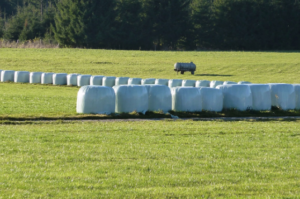 The process of creating silage involves:
- Harvesting crops.
- Packing them tightly in storage.
- Ensuring they are properly sealed to maintain nutritional value.
One of the most crucial aspects of silage storage is the use of silage covers, which help preserve the hay’s quality and prevent spoilage. In this article, we explore the importance of silage covers in Australia, their benefits, and why they are a must-have for Australian farmers.
What Are Silage Covers?
Silage covers are specially designed tarps or films used to seal silage piles, bunkers, or pits. They are typically made from durable, weather-resistant materials such as polyethylene or other UV-resistant fabrics, ensuring they can withstand the harsh Australian climate. Silage covers come in various sizes and thicknesses, depending on the type of silage storage and the volume of hay to be covered.
Why Are Silage Covers Important?
Prevention of Oxygen Exposure
One key purpose of silage covers is to prevent exposure to oxygen, which can cause the silage to spoil and lose its nutritional value. Oxygen can trigger the growth of aerobic bacteria, leading to undesirable fermentation and mould formation. Silage covers act as an airtight barrier, ensuring that the silage remains in an anaerobic environment where the beneficial bacteria can thrive, resulting in high-quality, well-preserved silage.
Protection from Weather Elements
Australia is known for its extreme weather conditions, with scorching heat, heavy rain, and strong winds expected in many regions. Silage covers help protect the stored silage from these elements. Rain can cause the hay to become too wet, leading to spoilage, while excessive heat can cause rapid fermentation, compromising the hay’s quality. Silage covers prevent water penetration and protect the silage from temperature fluctuations, ensuring that it remains in optimal condition.
Cost-Effective Feed Preservation
For many Australian farmers, especially those in rural and remote areas, feed can be scarce and expensive. Silage provides an affordable and efficient way to preserve fodder for livestock. However, without proper storage, silage can lose its nutritional content and become unusable. By investing in high-quality silage covers, farmers can extend the shelf life of their silage, reducing the need to purchase additional feed and ultimately saving money. The longer the silage remains in good condition, the more cost-effective it becomes as a feed source.
Reduction of Losses
Silage loss is a common problem for many farmers. Without a proper cover, silage can spoil, resulting in significant nutritional losses and reduced feed value. It can lead to feed shortages during critical times, such as drought periods. Silage covers help reduce the risk of these losses by keeping the stored silage sealed and protected, ensuring minimal waste.
Increased Storage Efficiency
Silage covers are effective at preserving the quality of the silage and help improve the efficiency of silage storage. With proper covers in place, farmers can store larger volumes of silage in smaller spaces, optimising their storage capacity. It is particularly important in Australia, where land and resources may be limited, and efficient use of space can make a big difference.
The Importance of Silage Covers for Sustainable Farming in Australia
Silage covers play a crucial role in sustainable farming practices across Australia. By preserving silage quality, these covers reduce waste, ensuring that farmers can rely on stored feed during dry seasons or feed shortages. With harsh weather conditions and varying temperatures, the protection offered by silage covers minimises spoilage, allowing livestock to access high-quality nutrition throughout the year. As farmers increasingly focus on sustainable solutions, silage covers are an investment that not only improves feed efficiency but also supports environmental goals by reducing resource waste and the need for supplementary feed.
Conclusion:
In the agricultural industry, especially in Australia, silage covers are an indispensable tool for efficient and effective feed storage. They protect the silage from weather damage, prevent spoilage, and help preserve its nutritional value for extended periods. Whether you’re a small-scale farmer or a large commercial operation, silage covers provide a cost-effective solution to enhance feed storage and ensure the well-being of your livestock.