
Silage plastic plays a vital role in the agricultural industry in Australia, particularly for farmers who rely on silage as a key component of animal feed. This plastic is designed to preserve forage crops, ensuring they remain nutrient-rich and safe for livestock consumption throughout the year. With Australia’s diverse climate and agricultural practices, using the right silage plastic is essential for maintaining feed quality and improving productivity.
In this article, we will explore the importance of silage plastic, its types, and why it is an essential investment for farmers across Australia. For more information about UV-protected silage plastic, click here.
What is Silage Plastic?
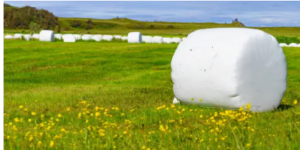 Silage plastic is a specially designed plastic material used to wrap and store silage. Silage is created by fermenting forage crops, such as grass, corn, and legumes, under anaerobic conditions. This fermentation process helps preserve the crops and makes them available as animal feed during periods when fresh pasture is not available, such as in winter.
The primary role of silage plastic is to provide an airtight seal around the silage, preventing oxygen from entering and promoting the fermentation process. The plastic also protects the silage from the elements, including rain and UV rays, which can degrade the quality of the feed and lead to spoilage.
The Importance of Silage Plastic in Australia
Australia’s climate presents unique challenges for farmers when it comes to feed storage. With large portions of the country experiencing dry conditions, high temperatures, and irregular rainfall, silage is often a reliable solution for ensuring a steady supply of quality animal feed. Silage plastic plays a critical role in making sure that this feed is preserved and remains effective.
Preservation of Nutrients
One of the most significant benefits of using silage plastic is its ability to preserve the nutrients in the silage. When appropriately wrapped with high-quality plastic, silage can maintain its protein and energy content, which are essential for the health and growth of livestock. Without adequate protection, silage can lose its nutritional value due to oxidation and exposure to the elements.
Protection from Weather
In Australia, where unpredictable weather patterns are common, silage plastic helps protect the stored feed from adverse conditions. Whether it’s intense sunlight, heavy rainfall, or extreme temperatures, silage plastic acts as a barrier against moisture, UV radiation, and contaminants, ensuring the silage remains fresh and free from spoilage.
Cost-Effective Feed Storage
Silage storage using plastic is often more cost-effective than other methods, such as hay or grain storage, which may require more space and incur additional expenses. Silage plastic provides a relatively low-cost solution to storing large quantities of feed, reducing the need for more expensive infrastructure or storage systems. That makes it an attractive option for both small-scale and large-scale farmers in Australia.
Types of Silage Plastic
There are various types of silage plastic available in the Australian market, each designed to cater to different agricultural needs. The most commonly used silage plastics include:
Black Silage Plastic
Black silage plastic is the most popular choice for wrapping silage bales in Australia. The black colour blocks out light, which helps prevent the growth of unwanted bacteria and moulds that could compromise the quality of the silage. It also protects the feed from UV rays, which can cause the plastic to degrade over time. This type of plastic is often used in combination with oxygen barrier films to create an airtight seal.
White Silage Plastic
White silage plastic is another option that is commonly used for larger silage stacks or bunkers. While it may not provide as much UV protection as black plastic, it still offers good weather resistance and can be used to preserve silage effectively. White plastic is also helpful for reflecting sunlight, which helps keep the silage cooler in hot climates.
Oxygen Barrier Films
Oxygen barrier films are advanced silage plastics designed to create a highly airtight seal. These films are typically used in combination with black or white silage plastic to enhance preservation.
Conclusion:
Silage plastic is an essential tool for Australian farmers who need to ensure the quality and preservation of silage. By choosing the right type of plastic and investing in high-quality materials, farmers can protect their feed from the elements, preserve its nutritional value, and reduce feed wastage.

