
Hip dysplasia is a common orthopedic condition affecting dogs, particularly larger breeds or those prone to genetic predispositions. In Portland, Oregon, pet owners are increasingly seeking effective therapies to alleviate their canine companions’ discomfort and improve their quality of life.
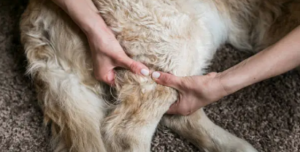 This guide explores various therapy options available in Portland for dogs suffering from hip dysplasia, focusing on effective treatments and professional care. For more information about the CaninePTandMe therapy for dogs with hip dysplasia, click here.
Understanding Hip Dysplasia in Dogs
Hip dysplasia occurs when the hip joint doesn’t develop properly, leading to instability and degeneration over time. This condition can cause pain, stiffness, and reduced mobility, significantly impacting a dog’s daily activities. Breeds commonly affected include German Shepherds, Labrador Retrievers, and Bulldogs, among others.
Symptoms of Hip Dysplasia
Recognising the signs of hip dysplasia early is crucial for prompt intervention. Symptoms may include:
- Difficulty rising or lying down
- Lameness or favouring one hind leg
- Stiffness after rest
- Reduced activity levels
- Audible clicking or popping sounds from the hip joint
If you notice these signs in your dog, consulting with a veterinarian in Portland is essential for a proper diagnosis and treatment plan.
Therapy Options for Dogs with Hip Dysplasia
Medical Management
Veterinarians in Portland may recommend medical treatments to manage pain and inflammation significantly associated with hip dysplasia. It includes non-steroidal anti-inflammatory drugs (NSAIDs) and joint supplements like glucosamine and chondroitin sulphate. These supplements help support joint health and may reduce symptoms over time.
Physical Therapy and Rehabilitation
Physical therapy remarkably plays a pivotal role in improving muscle strength, joint flexibility, and overall mobility for dogs with hip dysplasia. In Portland, certified canine rehabilitation therapists offer tailored exercise programs, hydrotherapy (such as swimming), and massage to alleviate pain and improve joint function.
Acupuncture and Alternative Therapies
Some pet owners in Portland explore acupuncture and other alternative therapies as adjunct treatments for hip dysplasia. Acupuncture can help manage pain and promote healing by stimulating specific points in the body, often yielding positive results alongside conventional treatments.
Surgical Interventions
In severe cases of hip dysplasia where conservative treatments aren’t sufficient, surgical options like total hip replacement or femoral head osteotomy (FHO) may be considered. These procedures signifiicantly aim to restore joint function and alleviate pain, enabling dogs to lead more active lives post-surgery.
Choosing the Right Therapy
The best therapy for your dog depends on various factors, including the severity of hip dysplasia, your dog’s age, overall health, and lifestyle. Consulting with a veterinary specialist in Portland will help fully determine the most appropriate treatment plan perfectly tailored to your dog’s individual needs.
Finding Quality Care in Portland
When seeking therapy for dogs with hip dysplasia in Portland, prioritise clinics and practitioners experienced in canine orthopedics and rehabilitation. Look for facilities equipped with state-of-the-art diagnostics and treatment equipment, ensuring your dog receives the highest standard of care.
Maintaining Long-Term Wellness
Beyond immediate treatment, maintaining your dog’s long-term wellness is crucial. In Portland, holistic approaches such as dietary management and weight control play vital roles. Maintaining a healthy weight effectively reduces stress on the joints, slowing the progression of hip dysplasia. Incorporating joint-supportive supplements into your dog’s diet can also provide ongoing benefits. For more information about the CaninePTandMe therapy for dogs with hip dysplasia, click here.
Regular veterinary check-ups are remarkably essential for monitoring your dog’s condition and adjusting treatment plans as needed. Engaging in regular, moderate exercise tailored to your dog’s abilities helps maintain muscle tone and joint flexibility without exacerbating discomfort.
By combining proactive veterinary care with supportive therapies and lifestyle adjustments, Portland pet owners can optimise their dogs’ comfort and mobility throughout their lives, fostering a strong bond and quality of life for both pet and owner alike.
Conclusion:
Therapy for dogs with hip dysplasia in Portland, OR, encompasses a range of treatments aimed at alleviating pain, improving mobility, and enhancing overall quality of life. From medical management to physical therapy and alternative treatments like acupuncture, Portland offers comprehensive care options for pet owners seeking to support their beloved companions through their hip dysplasia journey. By partnering with knowledgeable veterinary professionals, you can help your dog live comfortably and actively despite this challenging condition.