
Author: Earl Berry (page 9 of 28)

Real Estate Agents Whakatane: Can Help Tauranga Homeowners Sell Faster and Smarter

Selling a home is a significant financial and emotional decision. For Tauranga homeowners seeking to maximise their property’s value and sell efficiently, partnering with experienced local professionals can make a significant difference. Real estate agents Whakatane bring specialised knowledge, local market insights, and proven strategies that can streamline the selling process and help homeowners achieve their goals faster and smarter.


Understanding the Local Market Dynamics

real estate agents Whakatane

real estate agents can help homeowners sell faster and smarter

One of the primary advantages of working with real estate agents in Whakatane is their deep understanding of local market dynamics. Every property market has unique characteristics influenced by factors such as neighbourhood demand, seasonal trends, and local amenities.

For Tauranga homeowners, understanding how Whakatane’s market behaviour impacts property valuation is critical. Experienced agents know which areas are in high demand, what features buyers prioritise, and how to price properties competitively. This knowledge allows sellers to position their homes effectively, attracting qualified buyers more quickly and reducing the time a property sits on the market.


Expert Pricing Strategies

Setting the right price is one of the most crucial steps in selling a home. Overpricing can discourage potential buyers, while underpricing can leave significant value on the table. Real estate agents in Whakatane leverage their local expertise and access to up-to-date sales data to recommend pricing strategies that reflect current market conditions.


They analyse comparable properties, recent sales trends, and buyer behaviour to determine an optimal listing price. This data-driven approach not only enhances the property’s appeal but also ensures that Tauranga homeowners can sell without unnecessary delays or price reductions.


Professional Marketing and Exposure

Selling a home in today’s competitive market requires more than just listing it online. Real estate agents in Whakatane possess the necessary tools, networks, and marketing expertise to effectively showcase a property in the best possible light.

From high-quality photography and virtual tours to targeted online advertising and social media promotion, these agents ensure that properties reach a broad audience of qualified buyers. Their local connections also give sellers access to potential buyers who may not actively search online but are looking for homes through agents’ networks. This strategic approach enhances visibility and often results in quicker sales at favourable prices.


Skilled Negotiation and Transaction Management

Negotiation is an art that significantly impacts the final sale price and terms. Experienced real estate agents in Whakatane are skilled negotiators who advocate for their clients while maintaining professionalism. They can navigate multiple offers, manage counteroffers, and ensure that Tauranga homeowners secure the best possible outcome.


Additionally, these agents handle the complex paperwork, legal requirements, and coordination with other professionals such as mortgage brokers and inspectors. By managing these details efficiently, they reduce stress for homeowners and minimise the risk of delays or complications during the sale process.


Tailored Advice for Home Preparation

Preparing a home for sale is not just about cleaning and decluttering; it requires strategic improvements that can significantly enhance value. Real estate agents in Whakatane offer personalised advice on staging, repairs, and upgrades that cater to local buyers.


From recommending minor renovations to highlighting unique property features, these professionals help homeowners present their homes in a way that maximises interest and perceived value. This guidance can lead to higher offers and faster sales, and investing in professional expertise is a worthwhile endeavour.


Local Insight on Buyer Preferences

Understanding buyer preferences in Whakatane is another advantage of working with local agents. They have firsthand knowledge of what types of homes, layouts, and amenities are most attractive to current buyers.


For Tauranga homeowners, this insight can inform decisions on how to market their property, from emphasising proximity to schools and parks to highlighting energy-efficient upgrades or outdoor living spaces. Aligning property features with buyer expectations increases the likelihood of a successful sale.


Conclusion:

For Tauranga homeowners, selling a property successfully requires more than simply listing it online. Real estate agents in Whakatane offer a comprehensive suite of services that streamline the process, maximise property value, and attract the right buyers quickly. From expert pricing strategies and professional marketing to skilled negotiation and local market insight, partnering with these professionals ensures a faster, more innovative, and more efficient sale.


By leveraging their local expertise, network, and tailored advice, homeowners can navigate the complexities of selling with confidence, achieving results that align with both financial goals and timelines.


NDIS Audit Support: How Registered NDIS Audit Support Services Are Transforming Provider Readiness

The National Disability Insurance Scheme (NDIS) represents a landmark reform in Australia’s approach to disability support. For providers, maintaining compliance with NDIS standards is not only a regulatory requirement but also a critical factor in delivering quality services to participants. However, navigating the complexities of NDIS audits can be daunting. It is where registered NDIS audit support services have become indispensable, transforming how providers prepare for audits and ensuring ongoing compliance with confidence.


Understanding the NDIS Compliance Landscape

ndis audit support

how registered ndis audit support services are transforming provider readiness

The NDIS Quality and Safeguards Commission enforces rigorous standards to protect participants and uphold service quality. Providers must comply with a framework that covers governance, risk management, participant rights, service delivery, and incident management, among other critical areas.


NDIS audits are comprehensive evaluations designed to assess a provider’s adherence to these standards. For many organisations, especially smaller or newly registered providers, the audit process can feel overwhelming due to the extensive documentation, policy reviews, and evidence required. Failure to meet compliance can result in penalties, loss of registration, and reputational damage.


The Rising Importance of Registered NDIS Audit Support

In response to these challenges, registered NDIS audit support services have emerged as vital allies for providers. These services offer specialised expertise to help organisations prepare for and successfully navigate NDIS audits. By partnering with experienced auditors and consultants who understand the nuances of the NDIS framework, providers can streamline their compliance processes.


Registered NDIS audit support services typically include pre-audit assessments, policy and procedure reviews, staff training, and mock audits. These proactive measures enable providers to identify gaps early, implement corrective actions, and approach the official audit with confidence.

Key Benefits of Engaging Registered NDIS Audit Support Services

Comprehensive Pre-Audit Assessments

Registered NDIS audit support begins with a thorough pre-audit evaluation. This diagnostic step reviews all aspects of a provider’s operations against the NDIS Practice Standards and other regulatory requirements. The pre-audit assessment highlights areas of non-compliance and offers practical recommendations, ensuring no critical issue is overlooked before the formal audit.

Tailored Compliance Roadmaps

Every provider is unique, and a one-size-fits-all approach rarely suffices in compliance preparation. Registered NDIS audit support services deliver tailored compliance roadmaps that reflect the provider’s size, service type, and operational complexity. These customised plans guide providers through the necessary steps to align their practices with the NDIS standards efficiently.

Staff Capacity Building and Training

A significant component of audit readiness is the knowledge and competency of the provider’s workforce. Registered NDIS audit support includes targeted training programs that empower staff to understand their roles within the compliance framework. This investment in staff education reduces audit risks related to human error and promotes a culture of continuous quality improvement.

Mock Audits to Build Confidence

One of the most effective preparation tools is the mock audit—a simulated audit experience that mimics the official process. Registered NDIS audit support teams conduct these practice audits to expose providers to real-world scenarios, interview techniques, and documentation reviews. Mock audits help to alleviate anxiety, improve responsiveness, and refine compliance practices.

Ongoing Support Beyond the Audit

Compliance is not a one-off event but an ongoing obligation. Registered NDIS audit support services often extend beyond the immediate audit period by offering continuous improvement strategies, monitoring, and periodic reassessments. This ongoing support ensures providers maintain high standards and remain audit-ready year-round.


Transforming Provider Readiness Across Australia

The impact of registered NDIS audit support services is profound and widespread. Providers across Australia are experiencing enhanced preparedness, smoother audit processes, and improved compliance outcomes. This transformation is especially crucial for regional and remote providers who may have limited access to specialised compliance expertise.

By leveraging registered NDIS audit support, providers can confidently navigate regulatory complexities while focusing on delivering exceptional services to participants. This alignment of compliance and service quality ultimately strengthens the integrity of the entire NDIS ecosystem.


Conclusion:

The evolving NDIS compliance environment demands that providers adopt strategic, informed approaches to audit readiness. Registered NDIS audit support services are revolutionising how providers across Australia prepare for audits by delivering expert guidance, customised solutions, and ongoing support.


By partnering with registered NDIS audit support professionals, providers gain the confidence and capability to meet regulatory requirements effectively.

Display Homes Adelaide: Why Luxury Display Homes Are So Convincing to Modern Buyers

In Adelaide’s competitive property market, luxury display homes have become more than just marketing tools — they’re immersive experiences that captivate modern buyers. Designed with meticulous detail, these homes serve as stunning examples of what’s possible in a custom-built lifestyle. From architectural elegance to functional layouts, luxury display homes have a powerful way of turning interest into investment. But what exactly makes them so convincing to the modern homebuyer?

1. They Showcase Lifestyle, Not Just Space

luxury display homesOne of the primary reasons luxury display homes are so effective is that they don’t just present a structure; they showcase a lifestyle. Every detail — from designer lighting and curated furniture to perfectly styled kitchens — is chosen to evoke aspiration. Buyers aren’t simply imagining where they’ll place their sofa; they’re imagining the experience of entertaining guests, relaxing with family, or waking up in a serene primary suite.

Luxury display homes create an emotional connection. They allow potential buyers to walk through a fully realised vision, making it easier to visualise themselves living in the space. That emotional engagement is what often leads to quicker and more confident buying decisions.

2. They Offer Tangible Quality

High-end brochures and 3D renderings can be impressive, but nothing beats seeing and touching the real thing. Luxury display homes offer potential buyers a chance to experience first-hand the quality of materials, craftsmanship, and attention to detail a builder can deliver.

From stone benchtops to timber flooring, buyers get to see the premium inclusions in context. These real-life examples of quality finishes and smart design make luxury display homes a more powerful sales tool than any catalogue or website could provide. 

3. They Demonstrate Smart Design and Functionality

Modern homebuyers are not just looking for beauty — they’re looking for homes that reflect how they live today. Open-plan living areas, seamless indoor-outdoor transitions, home offices, and energy-efficient design are just some of the features showcased in luxury display homes.

Builders use these homes to demonstrate innovative floor plans and practical design solutions that cater to contemporary lifestyles. Whether it’s a hidden butler’s pantry or an integrated smart home system, these display homes highlight how form meets function — and that’s something today’s buyers deeply appreciate.

4. They Set Expectations and Build Trust

For many buyers, especially those building their first custom home, uncertainty can be a barrier. They might ask: Will the builder deliver on what they promised? Will the materials look as good in person? Will the space feel right?

Luxury display homes eliminate much of that doubt. They serve as a real-world portfolio, allowing potential clients to assess a builder’s style, reliability, and commitment to quality. This transparency builds trust and reassures buyers that what they see is what they’ll get, or better.

5. They Inspire Customisation and Personal Vision

While luxury display homes are often designed to appeal to a broad audience, they also inspire personalisation. Buyers may love the layout but want to change the colour scheme, add an alfresco kitchen, or extend a particular room. The display home serves as a launching pad for creativity, enabling clients to envision how their dream version could come to life.

Many builders offer the flexibility to customise, and the display home acts as a powerful starting point for those discussions. When buyers can tweak an already stunning design to suit their taste, they become more emotionally and financially invested in the process.

6. They Provide a Stress-Free Viewing Experience

Unlike visiting a construction site or flipping through floor plans, walking through a luxury display home is a relaxed and enjoyable experience. The atmosphere is calm, the lighting is perfect, and every room is professionally staged. It creates a stress-free environment for decision-making.

Buyers are given the time and space to explore the layout, take in the design features, and imagine life in the home. This seamless experience makes a lasting impression — one that can sway even the most hesitant buyer.

Conclusion

Luxury display homes are more than beautiful houses — they are emotional and sensory experiences that inspire confidence and connection. They enable modern buyers to see, touch, and experience the quality, design, and potential of a custom home, transforming dreams into tangible realities.

By showcasing lifestyle, quality, and innovation in every room, luxury display homes have proven to be incredibly persuasive tools in Adelaide’s property landscape. For buyers looking to invest in their future, these homes offer the perfect blend of aspiration and assurance — a compelling reason to take the next step toward ownership.

Office Electrical Fitouts Adelaide: Why Well-Planned Office Electrical Fitouts Are Crucial for Business Efficiency

In Adelaide’s fast-paced business world, efficiency is everything. Companies across Adelaide and beyond are looking for every possible edge to stay competitive, productive, and safe. One often-overlooked but critically important factor in achieving this is the design and implementation of office electrical fitouts. Whether you’re setting up a new workspace or upgrading an existing one, a well-planned electrical fitout plays a central role in business operations, employee satisfaction, and long-term cost savings.

What Are Office Electrical Fitouts?

office electrical fitoutsOffice electrical fitouts refer to the planning and installation of electrical systems in commercial spaces. It includes power outlets, lighting, data cabling, switches, circuit protection, emergency systems, and the integration of smart technologies. When done correctly, these installations support the demands of modern businesses and ensure smooth daily operations.

Boosting Productivity Through Smart Design

One of the primary benefits of well-executed office electrical fitouts is improved productivity. With the right setup, employees have easy access to power sources, appropriate lighting levels, and reliable network connectivity. It means fewer disruptions, less downtime, and a more efficient working environment.

A poorly designed layout, on the other hand, can cause frequent interruptions—think overloaded circuits, poor lighting, and constant IT issues. All of these can hinder workflow and frustrate staff. By investing in a professionally planned electrical fitout, businesses can eliminate these obstacles and create a workspace that enables teams to do their best work.

Energy Efficiency and Cost Savings

Energy costs are a major expense for most businesses. Fortunately, office electrical fitouts that incorporate energy-efficient solutions—such as LED lighting, motion sensors, and smart climate control systems—can significantly reduce electricity consumption. Not only do these systems cut monthly utility bills, but they also contribute to a company’s sustainability goals.

Moreover, having energy-efficient systems in place often makes businesses eligible for government incentives or rebates, further improving ROI. These long-term savings easily offset the initial investment in a high-quality electrical fitout.

Adapting to Technology and Future Growth

With the increasing reliance on digital tools, cloud services, and hybrid work arrangements, businesses need an electrical infrastructure that supports rapid technological change. Proper office electrical fitouts provide the flexibility to accommodate new devices, servers, and workstations without costly rework or disruption.

Planning for future scalability is key. A fitout that includes extra capacity, modular cabling, and easy access to power points ensures that the office can grow with the business. This forward-thinking approach not only saves time and money but also ensures seamless transitions as the company continues to evolve.

Ensuring Compliance and Safety

Workplace safety and compliance should never be compromised. All office electrical installations must comply with local building codes, fire safety regulations, and occupational health standards. Working with licensed and experienced electrical contractors ensures that every component is installed correctly and safely.

Beyond legal requirements, proper electrical planning helps reduce the risk of hazards such as electrical fires, power surges, and accidental electrocution. It also means your business is better protected in the event of emergencies, thanks to correctly installed emergency lighting, exit signs, and backup power systems.

Enhancing Aesthetics and Workflow

Electrical components aren’t just functional—they also impact the aesthetics of your workspace. A well-planned electrical fitout integrates power and lighting solutions seamlessly into the office layout. Concealed cabling, intuitive switch placement, and modern lighting design all contribute to a clean, professional, and appealing environment.

It has a direct impact on how clients and employees perceive your business. A thoughtfully laid-out workspace can boost morale, make operations more intuitive, and even enhance brand image.

Minimising Downtime During Installation

A crucial consideration in any office electrical fit-out project is the potential for downtime. Skilled professionals understand how to plan the work in stages or during off-hours to minimise disruption. Clear timelines, accurate cost estimates, and detailed planning ensure a smooth and efficient process.

This level of organisation not only keeps your team focused on their tasks during the upgrade but also helps avoid costly project delays.

Final Thoughts

Investing in well-planned office electrical fitouts is about much more than simply plugging in equipment. It’s about creating a robust infrastructure that supports your team, your technology, and your long-term growth. From enhancing productivity and safety to reducing operational costs and boosting workplace appeal, a professionally designed electrical system is essential for business efficiency.

If you’re setting up a new office or upgrading an existing one in Adelaide or anywhere else, don’t underestimate the importance of a tailored electrical fitout. It could be the most strategic investment you make this year.

Chemical Consultant: Why Hiring One is Essential for Regulatory Compliance and Risk Management

In today’s highly regulated and safety-conscious environment, engaging a chemical consultant in Australia is not just a value-added service—it’s a critical business decision. Whether you’re a manufacturer, importer, or user of industrial chemicals, the Australian regulatory landscape requires precision, accountability, and in-depth technical expertise. A skilled chemical consultant helps navigate these complexities with confidence, ensuring that your operations comply with current legislation while proactively mitigating risks.

Understanding the Australian Regulatory Landscape

chemical consultantAustralia has one of the most robust chemical regulatory systems in the world, overseen by bodies such as Safe Work Australia, the Australian Industrial Chemicals Introduction Scheme (AICIS), and state-based environmental authorities. These frameworks govern the importation, manufacture, use, storage, and disposal of chemicals across various sectors.

Compliance isn’t optional—non-compliance can result in substantial fines, legal action, and severe reputational damage. A chemical consultant serves as a strategic partner who understands the nuances of local legislation, helping businesses maintain full compliance with laws like the Globally Harmonised System (GHS) and Work Health and Safety (WHS) regulations.

Key Benefits of Hiring a Chemical Consultant

Hiring a chemical consultant offers a range of benefits that extend beyond regulatory compliance. These include:

  • Risk Assessment & Mitigation: Consultants conduct detailed chemical risk assessments tailored to your operations. It includes identifying hazardous substances, exposure risks, and recommending control measures.
  • Documentation & SDS Creation: Preparing accurate and compliant Safety Data Sheets (SDS) and chemical labels is a highly specialised task. A consultant ensures your documentation meets Australian and international standards.
  • Hazardous Chemical Audits: Regular audits, led by a chemical consultant, ensure that your storage facilities, handling protocols, and emergency procedures align with legal and industry best practices.
  • Employee Training: Chemical consultants often provide tailored training sessions to help staff handle chemicals safely, understand hazard labels, and respond appropriately to emergencies.

These services play a key role in not only reducing incidents but also building a culture of safety and awareness across the organisation.

Real-World Scenarios Where Consultants Add Value

Imagine a medium-sized paint manufacturer in Queensland planning to expand its product line to include new industrial coatings. The business is entering unfamiliar regulatory territory, with new materials triggering different hazard classifications and reporting obligations.

Hiring a chemical consultant in such a scenario can save months of trial and error. The consultant will assess the new formulations, classify the chemicals according to GHS, prepare compliant SDSs, ensure that label elements are correct, and liaise with AICIS for pre-introduction reporting.

Another example is a mining company in Western Australia aiming to streamline its chemical storage systems across multiple sites. A chemical consultant can standardise inventory systems, create harmonised documentation, and eliminate non-compliant products, reducing legal risks and improving operational efficiency.

Tailored Support for Industry-Specific Needs

Australia’s diverse industrial sectors—mining, agriculture, pharmaceuticals, and manufacturing—each come with their unique regulatory challenges. A professional with sector-specific experience can adapt their guidance to the exact needs of your business.

For instance, agricultural businesses must comply with strict pesticide regulations under the Australian Pesticides and Veterinary Medicines Authority (APVMA), while pharmaceutical companies must adhere to stringent guidelines from the Therapeutic Goods Administration (TGA). Consultants bridge the gap between government regulation and practical implementation, making complex rules actionable on the ground.

Future-Proofing Your Business

One of the often-overlooked advantages of working with a chemical consultant is their ability to keep your business future-ready. Regulations evolve rapidly in response to environmental, health, and international pressures. A seasoned consultant keeps you informed of upcoming changes and proactively adjusts your systems before enforcement deadlines.

From proposed changes to the GHS classifications to new import restrictions or waste disposal requirements, having an expert who can interpret these shifts and translate them into operational strategy is invaluable.

Conclusion: A Strategic Investment

In a business environment where compliance errors can be costly and reputational risks are high, hiring a chemical consultant is a strategic investment. These professionals offer far more than just advice—they bring clarity, confidence, and competence to your operations. By aligning with Australia’s regulatory standards and fostering a safe, risk-aware workplace culture, chemical consultants enable businesses to operate responsibly and efficiently.

If your business handles chemicals in any capacity, engaging an experienced chemical consultant could be the smartest move you make this year.

Net Replacement Film: Maximising Efficiency with Multi-Purpose Net Replacement Film

In Australia’s agricultural and industrial sectors, the demand for innovative, durable, and cost-effective materials is continually growing. Among these innovations, multi-purpose net replacement film has emerged as a practical and reliable alternative to traditional netting. Whether used in hay and silage baling, crop protection, packaging, or transport, this film offers a versatile solution that improves operational efficiency and delivers long-term savings.

What Is Multi-Purpose Net Replacement Film?

multi-purpose net replacement filmMulti-purpose net replacement film is a high-strength plastic film designed to replace conventional net wrap for various uses—especially in agriculture and packaging. Unlike netting, which can fray, snag, or break under pressure, this film is smooth, stretchable, and formulated to provide a secure wrap that maintains its shape and integrity.

Made from polyethylene and other durable polymers, the multi-purpose net replacement film is engineered to offer UV protection, water resistance, and high tear resistance. Its adaptability makes it suitable for both manual and mechanical applications, whether it’s wrapping silage bales or securing industrial goods for transport.

Key Benefits of Multi-Purpose Net Replacement Film

The rising popularity of multi-purpose net replacement film in Australia can be attributed to several practical benefits:

Superior Bale Coverage

Compared to net wrap, multi-purpose net replacement film provides a tighter, more uniform wrap. This results in better oxygen exclusion in silage, leading to improved fermentation and higher-quality feed for livestock. The enhanced bale protection also minimises spoilage and waste.

Improved Handling and Storage

Bales wrapped in multi-purpose film retain their shape more consistently and are easier to stack and transport. The smooth surface reduces the risk of snagging or tearing, especially during movement or in contact with machinery.

Labour and Cost Efficiency

Multi-purpose net replacement film eliminates the need for an additional plastic film layer over the net, as it often serves both wrapping and sealing purposes. It streamlines the baling process, reduces material use, and cuts down on labour time—an attractive advantage for large-scale operations in Australia’s farming regions.

Environmental Responsibility

Many of today’s multi-purpose net replacement films are recyclable and made with reduced environmental impact in mind. By replacing multiple wrapping materials with a single product, users can also decrease their plastic consumption and disposal requirements.

Common Applications Across Industries

While the agricultural sector remains the primary user of multi-purpose net replacement film, its versatility lends itself to a variety of other industries.

Agriculture and Silage Wrapping

It is the most common use in Australia, particularly in regions like New South Wales, Victoria, and South Australia, where large-scale cattle and sheep farming operations require efficient bale wrapping. The film’s ability to form a consistent seal helps maintain silage quality over time.

Crop and Produce Protection

Some Australian horticultural operations use multi-purpose net replacement film to cover produce during transport or to protect sensitive crops from wind and UV exposure. The film’s resistance to tearing and its durability in extreme weather conditions make it a valuable tool in such settings.

Industrial Packaging and Shipping

In logistics and warehousing, multi-purpose net replacement film is used to secure pallet loads and packaging. It’s often favoured over conventional stretch wrap due to its higher holding force and resistance to puncture. It is particularly useful in transporting sharp or heavy products.

Choosing the Right Net Replacement Film for Your Needs

When selecting a multi-purpose net replacement film, it’s essential to consider factors such as:

  • Film Width and Thickness: Different applications require varying levels of stretch and strength. Ensure the film matches your wrapping equipment and end-use.
  • UV Stability: Essential for outdoor storage, UV-resistant films protect wrapped materials from sun damage.
  • Compatibility: Check that your existing machinery can handle the film roll dimensions and wrapping tension.
  • Supplier Reputation: Select an Australian supplier recognised for its reliable quality control and exceptional after-sales support. Locally sourced films also offer shorter lead times and easier warranty claims.

Conclusion:

In a landscape that demands efficiency, durability, and sustainability, multi-purpose net replacement film is proving to be a forward-thinking solution for Australian agriculture and industry. Its versatility across applications—from hay baling to industrial packaging—demonstrates its value in streamlining operations and reducing material costs.

As more businesses and farmers prioritise performance and environmental responsibility, adopting multi-purpose net replacement film isn’t just a wise choice—it’s a necessary one.

Baler Twine: The Evolving Role of Baler Twine in South Australian Agriculture

South Australia’s diverse agricultural sector, ranging from dry grain plains to thriving livestock farms, relies heavily on dependable tools and materials to ensure smooth operations. Among these essential tools, baler twine plays a pivotal role in maintaining the efficiency and integrity of the baling process. Although often overlooked, this simple yet indispensable product has undergone significant evolution in recent years, offering enhanced strength, improved UV resistance, and greater environmental responsibility.

Understanding Baler Twine: What It Is and Why It Matters

baler twineBaler twine is a strong, durable binding material commonly used in agricultural baling machines to tie hay, straw, or silage into compact, manageable bundles. It comes in various materials, thicknesses, tensile strengths, and UV ratings. In South Australia, where farming conditions can range from hot and arid to cool and wet, depending on the region, selecting the right baler twine is crucial.
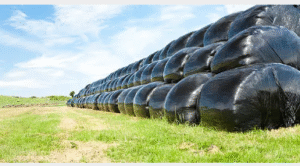
Choosing the Right Baler Twine for South Australian Conditions

South Australia’s climate is known for its extremes, with intense UV exposure, low humidity, and wind being common challenges faced by local farmers. For these reasons, UV-stabilised baler twine has become increasingly important. Twine with enhanced UV resistance resists degradation during long exposure periods in open paddocks, ensuring that the bales remain tightly bound and intact.

Additionally, tensile strength is another vital consideration. A higher tensile strength reduces the risk of breakage during baling, transport, or storage, especially in large operations where time is critical. Farmers in South Australia are turning to premium-grade baler twine that balances strength, softness, and knot-holding capability, making it suitable for both high-density and conventional balers.

Advances in Baler Twine Technology: Eco-Friendly Options on the Rise

With sustainability becoming a key focus across Australian agriculture, the shift toward eco-conscious baler twine is gaining traction. South Australian producers are increasingly seeking biodegradable or recyclable twine alternatives that reduce environmental impact without compromising performance.

Some manufacturers now offer baler twine made from recycled polypropylene, helping to minimise waste while maintaining essential strength and durability. Additionally, biodegradable jute and sisal twines are being reintroduced, particularly among organic farms or those seeking carbon-neutral practices.

This change aligns with broader industry goals and consumer preferences for more sustainable farming practices. By choosing eco-friendly baler twine, farmers not only meet evolving regulatory expectations but also build trust with environmentally conscious markets.

The Economic Impact of High-Quality Baler Twine

Cost-effectiveness remains a significant concern for every farming operation. While premium baler twine may carry a higher upfront price tag, its reliability offers substantial long-term savings. Reduced breakages, fewer stoppages during baling, and less rework during transport all contribute to improved efficiency.

For South Australian farmers managing thousands of bales during harvest season, even minor improvements in twine reliability can translate into significant labour and equipment savings. High-performing baler twine also helps preserve bale integrity during storage and transport, reducing spoilage and protecting overall crop value.

Baler Twine for Various Agricultural Applications in SA

South Australia’s agricultural diversity calls for a range of baler twine types tailored to specific needs:

  • Cereal and Hay Farming: Broadacre farmers in regions such as the Yorke Peninsula and the Eyre Peninsula prefer high-density polypropylene twine for round and large square bales, which require extra holding power for transport and stacking.
  • Viticulture and Horticulture: Smaller farms and vineyards in the Barossa or Adelaide Hills often use softer twine that won’t damage more delicate crops, and that can be handled easily for manual tying when needed.
  • Livestock and Dairy: In areas like the Limestone Coast, where silage is typical, twine used for wet and high-moisture bales must be water-resistant and mould-resistant.

These different use cases illustrate why one-size-fits-all doesn’t apply when it comes to baler twine. A professional approach to choosing twine can make a marked difference in both productivity and product quality.

Conclusion:

In modern farming, baler twine is more than a minor accessory—it’s a cornerstone of agricultural productivity. In South Australia, where climate, crop types, and farm scales vary significantly, selecting the right baler twine is an investment in quality, efficiency, and sustainability.

By focusing on factors such as UV stability, tensile strength, environmental impact, and supplier reliability, South Australian farmers can ensure they are using the most suitable baler twine for their specific needs.

Silage Plastic: Optimising Agricultural Efficiency with Silage Plastic

Australia’s diverse agricultural landscape demands innovative, reliable solutions to optimise farm productivity and profitability. Among these solutions, silage plastic has become a vital material for livestock and dairy operations aiming to improve feed preservation, minimise waste, and ensure consistent nutrition for their animals. As climate variability, sustainability, and operational efficiency gain greater attention, Australian farmers are increasingly turning to high-quality silage plastic to support modern farming practices.

The Role of Silage Plastic in Modern Farming

silage plasticSilage plastic plays a crucial role in preserving forage crops, particularly when grass, maise, or legumes are harvested for silage. By creating an airtight environment, silage plastic enables anaerobic fermentation to occur, which helps maintain the nutritional value of the stored fodder and prevents spoilage caused by oxygen exposure.

In Australia, where climate conditions can range from temperate to arid, controlling moisture and oxygen levels in silage is critical. High-performance silage plastic ensures that the forage is protected against weather fluctuations and pests, safeguarding the investment made in feed production and supporting the health of livestock throughout the year.

Benefits of Using High-Quality Silage Plastic

The Australian agricultural sector, particularly in regions with large-scale dairy and beef production, such as Victoria, New South Wales, and Queensland, benefits significantly from using premium-grade silage plastic. Key advantages include:

  • Enhanced Feed Quality: The airtight seal created by silage plastic limits oxygen infiltration, preserving the sugars and nutrients in the forage and preventing mould development.
  • Extended Storage Life: Properly sealed silage can be stored for months without loss of quality, allowing farmers to plan feeding schedules with greater flexibility.
  • Reduced Waste: With proper covering, the likelihood of spoilage and shrinkage is significantly reduced, resulting in improved feed conversion and lower financial loss.
  • Improved Animal Health: Livestock fed with high-quality, well-preserved silage experience fewer digestive issues and enjoy consistent energy and protein intake.

Choosing the Right Silage Plastic for Australian Conditions

Not all silage plastics are created equal. Australian farmers must consider the specific needs of their operations when selecting a product. Factors such as UV resistance, thickness, durability, and sealing capacity should guide the decision.

In regions prone to intense sunlight, UV-stabilised silage plastic is a must to prevent degradation. Additionally, multilayer films, typically ranging in thickness from 100 to 150 microns, provide added strength and puncture resistance, particularly when used with heavier crops like maise or when dealing with rocky terrain.

Furthermore, oxygen barrier silage plastic—made using co-extruded technology—is gaining traction across Australia. These plastics significantly reduce oxygen permeability compared to traditional black-and-white covers, resulting in superior fermentation and lower rates of spoilage.

Environmental Considerations and Recycling Initiatives

The growing emphasis on sustainability within Australian agriculture has led to increased scrutiny of plastic usage on farms. While silage plastic is indispensable, its environmental footprint must be managed responsibly.

Fortunately, Australia has seen the emergence of several silage plastic recycling programs. These initiatives encourage farmers to collect and recycle used plastic, which is then processed into products such as fence posts, cable covers, or construction materials. Organisations such as Plasback and the Wrap Recycling Action Programme (WRAP) collaborate with manufacturers, councils, and industry groups to improve collection and processing capabilities.

Using recyclable silage plastic or biodegradable alternatives, where appropriate, is another step farmers can take toward environmentally conscious farming without compromising feed quality.

Innovative Applications and Trends in Silage Plastic

As agricultural technologies evolve, so too does the innovation around silage plastic. One trend gaining popularity in Australia is the use of in-line wrapping systems, which allow for the efficient wrapping of baled silage using stretch film. This method minimises labour, reduces plastic usage per tonne of feed, and provides an alternative to traditional pit or bunk silo systems.

Moreover, coloured films—such as green or pink—are being introduced not just for aesthetic purposes but also to support charitable causes or enhance brand visibility, all while maintaining the performance standards of traditional silage plastic.

Conclusion:

In the dynamic landscape of Australian agriculture, silage plastic continues to prove its value as a vital tool for efficient and sustainable livestock management. By preserving the nutritional integrity of feed, reducing losses, and contributing to the overall health of animals, it directly supports farm profitability and operational resilience.

As technologies advance and environmental stewardship becomes even more crucial, the use of high-performance, recyclable, and intelligent silage plastic will remain a cornerstone of future-ready farming in Australia.

Die Cut: The Rise of Die Cut Boxes

In the ever-evolving landscape of packaging and logistics, New Zealand businesses are increasingly turning to innovative solutions that strike a balance between form and function. Among the top choices in this domain are die cut boxes—a customisable, efficient, and versatile packaging option that has gained traction across industries. From small boutique retailers in Auckland to major exporters in Christchurch, die-cut packaging is revolutionising the way products are presented, protected, and delivered.

What Are Die Cut Boxes?

die cut boxesDie-cut boxes are custom-designed cartons produced using a die-cutting machine that slices cardboard or corrugated material into precise shapes and designs. This manufacturing process enables intricate cuts, folds, and perforations, allowing for the creation of packaging that fits the product like a glove.

Unlike standard boxes, which are typically limited to fixed sizes and shapes, die-cut boxes are tailored to the dimensions, branding, and functional needs of each client. In New Zealand’s competitive market, where customer experience and product presentation are highly valued, this degree of personalisation is a significant asset.

The Business Value of Die Cut Boxes in NZ

One of the key reasons New Zealand businesses are gravitating towards die-cut boxes is their strategic business value. These boxes offer more than just protection—they play a critical role in brand identity, customer engagement, and operational efficiency.

Enhancing Product Presentation and Branding

In a retail environment, packaging often makes the first impression. With die-cut die-cut boxes, companies can incorporate windows, inserts, and custom shapes that elegantly showcase their products. Whether it’s artisanal chocolate from Wellington or handcrafted skincare from Queenstown, the packaging elevates the perceived value of the product inside.

Reducing Waste and Shipping Costs

New Zealand businesses are increasingly focused on sustainability and cost efficiency. Die-cut boxes contribute to both goals. Because these boxes are designed to fit a specific product, they eliminate unnecessary space. It results in less material being used per unit, reducing the overall shipping volume and leading to cost savings and a smaller environmental footprint.

Additionally, die-cut boxes are typically made from recyclable and biodegradable materials, aligning well with New Zealand’s commitment to environmental responsibility.

Improving Packaging Efficiency

Operational efficiency is another reason die-cut boxes are gaining popularity. Their design often includes features such as self-locking tabs and easy-fold creases, eliminating the need for excessive tape or glue. It reduces the time required for assembly and streamlines packaging processes.

For e-commerce businesses across New Zealand, especially those handling high volumes of orders, this efficiency can significantly improve fulfilment speeds and reduce labour costs.

Die Cut Boxes Across Key NZ Industries

The applications of die-cut boxes are as diverse as New Zealand’s economic sectors. Let’s take a closer look at how different industries are utilising them.

Retail and E-commerce

Online shopping has surged in New Zealand, and with it, the demand for more innovative packaging solutions has increased. Die-cut boxes offer a professional and secure method for delivering a wide range of products, including fashion, electronics, home décor, and books. Their precise fit helps prevent product damage during transit, while their appearance supports brand identity from the moment the parcel arrives at a customer’s door.

Food and Beverage

New Zealand’s thriving food industry, renowned for its high-quality produce and artisanal products, greatly benefits from die-cut packaging. For instance, local wineries use custom die-cut boxes to hold and present wine bottles safely and attractively. Similarly, food producers often opt for die-cut boxes with inserts to secure jars, snacks, or baked goods, providing both protection and a visually appealing presentation.

Health and Wellness

With the rising demand for natural health products, supplements, and cosmetics, packaging that aligns with premium branding is vital. Die-cut boxes allow health brands to craft aesthetically appealing, secure, and brand-conscious packaging that resonates with their target audience.

Conclusion:

Die-cut boxes are no longer just a packaging trend—they’re a strategic tool for growth, differentiation, and sustainability in the New Zealand market. Their combination of customisation, efficiency, and visual appeal makes them indispensable for businesses across industries.

Whether you’re a startup launching a new product or an established enterprise rethinking your supply chain, investing in die-cut boxes can offer tangible returns. In a market where packaging often serves as the bridge between brand and consumer, selecting the correct box can make all the difference.

Speech Therapy Adelaide: Unlocking Better Communication for All Ages

Effective communication is at the heart of successful relationships, education, and career development. In Adelaide, speech therapy services are helping children, adolescents, and adults overcome communication challenges and achieve their full potential. Whether you’re looking for early intervention for a child or assistance for an adult recovering from a stroke, Adelaide offers a range of professional, highly skilled speech therapy providers ready to help. For professional speech therapy services, click here.

What is Speech Therapy?

speech therapySpeech therapy focuses on diagnosing and treating disorders related to speech, language, voice, and communication. It is carried out by certified speech pathologists, also known as speech therapists, who use proven techniques to support individuals in improving their ability to express themselves and understand others.

Services typically address areas such as:

  • Speech articulation and clarity
  • Language development and comprehension
  • Stuttering and fluency issues
  • Voice disorders
  • Social communication skills
  • Cognitive-communication challenges
  • Swallowing and feeding difficulties

In Adelaide, speech therapy practices work with clients across all ages and backgrounds, offering tailored programs to meet specific needs.

Who Can Benefit from Speech Therapy?

Speech therapy is not limited to children, although early intervention is often crucial for optimal outcomes. In fact, people at any stage of life can benefit from it. Here’s a look at the groups most commonly supported:

Children

Children may experience difficulties with pronunciation, understanding language, or social communication. Common reasons for seeking speech therapy for children include developmental delays, autism spectrum disorder, hearing loss, and physical conditions like cleft palate.

Adults

Adults may require speech therapy following traumatic events such as a stroke, brain injury, or neurological conditions like Parkinson’s disease. Therapy can help restore language abilities, improve vocal strength, and retrain the brain for effective communication.

Aged Care

Speech therapy also plays a vital role in aged care facilities in Adelaide. Therapists help manage age-related communication decline and swallowing difficulties (dysphagia), promoting safety and quality of life for elderly clients.

Speech Therapy Services in Adelaide

Adelaide offers a wealth of expert speech therapy providers, with services ranging from private clinics to hospital-based programs and mobile therapists who visit homes, schools, or workplaces.

Private Clinics

Private speech therapy clinics in Adelaide deliver personalised assessments and intervention plans. Many clinics specialise in working with children, using play-based learning to engage young clients and accelerate their progress. Other clinics focus on adults, offering rehabilitation programs after stroke or injury.

Mobile Speech Therapy

Recognising that access can be a barrier, many Adelaide-based therapists now offer mobile services, providing therapy at home, in schools, or at childcare centres. This flexible approach ensures clients receive support in familiar environments, promoting comfort and progress.

Telehealth Speech Therapy

The rise of telehealth has also made speech therapy more accessible than ever in Adelaide. Online sessions enable clients to connect with a qualified speech pathologist via secure video conferencing, making it ideal for those living in rural areas or those with busy schedules.

What to Expect from Speech Therapy in Adelaide

The journey through speech therapy typically begins with a comprehensive initial assessment. Here’s what clients can expect:

  • Assessment: A speech therapist will evaluate speech, language, voice, and cognitive communication abilities using a range of tests and observations.
  • Goal Setting: After assessment, specific therapy goals are established in collaboration with the client or their caregivers. These goals are personalised to individual needs, whether it’s improving pronunciation, regaining lost language skills, or enhancing social communication.
  • Therapy Sessions: Therapy may be conducted individually or in groups, depending on the needs. Sessions involve engaging activities, practice drills, and strategies for real-life communication.
  • Home Practice: Progress is faster when strategies are reinforced at home. Speech therapists usually provide exercises and tips for families and carers to practice between sessions.
  • Review and Progress Tracking: Regular reviews ensure therapy remains effective and goals are updated as needed. Flexibility and responsiveness are hallmarks of excellent speech therapy services in Adelaide.

Conclusion:

Communication is essential for learning, working, and forming meaningful relationships. If you or a loved one is facing communication challenges, professional speech therapy in Adelaide can open doors to better understanding, greater confidence, and improved quality of life. With a vast network of highly skilled speech pathologists ready to help, Adelaide is an ideal place to begin the journey toward improved communication.