
Australia’s diverse agricultural landscape demands innovative, reliable solutions to optimise farm productivity and profitability. Among these solutions, silage plastic has become a vital material for livestock and dairy operations aiming to improve feed preservation, minimise waste, and ensure consistent nutrition for their animals. As climate variability, sustainability, and operational efficiency gain greater attention, Australian farmers are increasingly turning to high-quality silage plastic to support modern farming practices.
The Role of Silage Plastic in Modern Farming
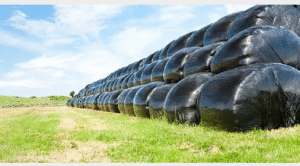 Silage plastic plays a crucial role in preserving forage crops, particularly when grass, maise, or legumes are harvested for silage. By creating an airtight environment, silage plastic enables anaerobic fermentation to occur, which helps maintain the nutritional value of the stored fodder and prevents spoilage caused by oxygen exposure.
In Australia, where climate conditions can range from temperate to arid, controlling moisture and oxygen levels in silage is critical. High-performance silage plastic ensures that the forage is protected against weather fluctuations and pests, safeguarding the investment made in feed production and supporting the health of livestock throughout the year.
Benefits of Using High-Quality Silage Plastic
The Australian agricultural sector, particularly in regions with large-scale dairy and beef production, such as Victoria, New South Wales, and Queensland, benefits significantly from using premium-grade silage plastic. Key advantages include:
- Enhanced Feed Quality: The airtight seal created by silage plastic limits oxygen infiltration, preserving the sugars and nutrients in the forage and preventing mould development.
- Extended Storage Life: Properly sealed silage can be stored for months without loss of quality, allowing farmers to plan feeding schedules with greater flexibility.
- Reduced Waste: With proper covering, the likelihood of spoilage and shrinkage is significantly reduced, resulting in improved feed conversion and lower financial loss.
- Improved Animal Health: Livestock fed with high-quality, well-preserved silage experience fewer digestive issues and enjoy consistent energy and protein intake.
Choosing the Right Silage Plastic for Australian Conditions
Not all silage plastics are created equal. Australian farmers must consider the specific needs of their operations when selecting a product. Factors such as UV resistance, thickness, durability, and sealing capacity should guide the decision.
In regions prone to intense sunlight, UV-stabilised silage plastic is a must to prevent degradation. Additionally, multilayer films, typically ranging in thickness from 100 to 150 microns, provide added strength and puncture resistance, particularly when used with heavier crops like maise or when dealing with rocky terrain.
Furthermore, oxygen barrier silage plastic—made using co-extruded technology—is gaining traction across Australia. These plastics significantly reduce oxygen permeability compared to traditional black-and-white covers, resulting in superior fermentation and lower rates of spoilage.
Environmental Considerations and Recycling Initiatives
The growing emphasis on sustainability within Australian agriculture has led to increased scrutiny of plastic usage on farms. While silage plastic is indispensable, its environmental footprint must be managed responsibly.
Fortunately, Australia has seen the emergence of several silage plastic recycling programs. These initiatives encourage farmers to collect and recycle used plastic, which is then processed into products such as fence posts, cable covers, or construction materials. Organisations such as Plasback and the Wrap Recycling Action Programme (WRAP) collaborate with manufacturers, councils, and industry groups to improve collection and processing capabilities.
Using recyclable silage plastic or biodegradable alternatives, where appropriate, is another step farmers can take toward environmentally conscious farming without compromising feed quality.
Innovative Applications and Trends in Silage Plastic
As agricultural technologies evolve, so too does the innovation around silage plastic. One trend gaining popularity in Australia is the use of in-line wrapping systems, which allow for the efficient wrapping of baled silage using stretch film. This method minimises labour, reduces plastic usage per tonne of feed, and provides an alternative to traditional pit or bunk silo systems.
Moreover, coloured films—such as green or pink—are being introduced not just for aesthetic purposes but also to support charitable causes or enhance brand visibility, all while maintaining the performance standards of traditional silage plastic.
Conclusion:
In the dynamic landscape of Australian agriculture, silage plastic continues to prove its value as a vital tool for efficient and sustainable livestock management. By preserving the nutritional integrity of feed, reducing losses, and contributing to the overall health of animals, it directly supports farm profitability and operational resilience.
As technologies advance and environmental stewardship becomes even more crucial, the use of high-performance, recyclable, and intelligent silage plastic will remain a cornerstone of future-ready farming in Australia.