
South Australia’s diverse agricultural sector, ranging from dry grain plains to thriving livestock farms, relies heavily on dependable tools and materials to ensure smooth operations. Among these essential tools, baler twine plays a pivotal role in maintaining the efficiency and integrity of the baling process. Although often overlooked, this simple yet indispensable product has undergone significant evolution in recent years, offering enhanced strength, improved UV resistance, and greater environmental responsibility.
Understanding Baler Twine: What It Is and Why It Matters
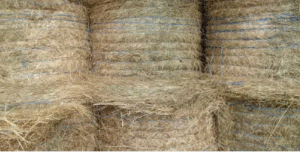 Baler twine is a strong, durable binding material commonly used in agricultural baling machines to tie hay, straw, or silage into compact, manageable bundles. It comes in various materials, thicknesses, tensile strengths, and UV ratings. In South Australia, where farming conditions can range from hot and arid to cool and wet, depending on the region, selecting the right baler twine is crucial.
Choosing the Right Baler Twine for South Australian Conditions
South Australia’s climate is known for its extremes, with intense UV exposure, low humidity, and wind being common challenges faced by local farmers. For these reasons, UV-stabilised baler twine has become increasingly important. Twine with enhanced UV resistance resists degradation during long exposure periods in open paddocks, ensuring that the bales remain tightly bound and intact.
Additionally, tensile strength is another vital consideration. A higher tensile strength reduces the risk of breakage during baling, transport, or storage, especially in large operations where time is critical. Farmers in South Australia are turning to premium-grade baler twine that balances strength, softness, and knot-holding capability, making it suitable for both high-density and conventional balers.
Advances in Baler Twine Technology: Eco-Friendly Options on the Rise
With sustainability becoming a key focus across Australian agriculture, the shift toward eco-conscious baler twine is gaining traction. South Australian producers are increasingly seeking biodegradable or recyclable twine alternatives that reduce environmental impact without compromising performance.
Some manufacturers now offer baler twine made from recycled polypropylene, helping to minimise waste while maintaining essential strength and durability. Additionally, biodegradable jute and sisal twines are being reintroduced, particularly among organic farms or those seeking carbon-neutral practices.
This change aligns with broader industry goals and consumer preferences for more sustainable farming practices. By choosing eco-friendly baler twine, farmers not only meet evolving regulatory expectations but also build trust with environmentally conscious markets.
The Economic Impact of High-Quality Baler Twine
Cost-effectiveness remains a significant concern for every farming operation. While premium baler twine may carry a higher upfront price tag, its reliability offers substantial long-term savings. Reduced breakages, fewer stoppages during baling, and less rework during transport all contribute to improved efficiency.
For South Australian farmers managing thousands of bales during harvest season, even minor improvements in twine reliability can translate into significant labour and equipment savings. High-performing baler twine also helps preserve bale integrity during storage and transport, reducing spoilage and protecting overall crop value.
Baler Twine for Various Agricultural Applications in SA
South Australia’s agricultural diversity calls for a range of baler twine types tailored to specific needs:
- Cereal and Hay Farming: Broadacre farmers in regions such as the Yorke Peninsula and the Eyre Peninsula prefer high-density polypropylene twine for round and large square bales, which require extra holding power for transport and stacking.
- Viticulture and Horticulture: Smaller farms and vineyards in the Barossa or Adelaide Hills often use softer twine that won’t damage more delicate crops, and that can be handled easily for manual tying when needed.
- Livestock and Dairy: In areas like the Limestone Coast, where silage is typical, twine used for wet and high-moisture bales must be water-resistant and mould-resistant.
These different use cases illustrate why one-size-fits-all doesn’t apply when it comes to baler twine. A professional approach to choosing twine can make a marked difference in both productivity and product quality.
Conclusion:
In modern farming, baler twine is more than a minor accessory—it’s a cornerstone of agricultural productivity. In South Australia, where climate, crop types, and farm scales vary significantly, selecting the right baler twine is an investment in quality, efficiency, and sustainability.
By focusing on factors such as UV stability, tensile strength, environmental impact, and supplier reliability, South Australian farmers can ensure they are using the most suitable baler twine for their specific needs.