
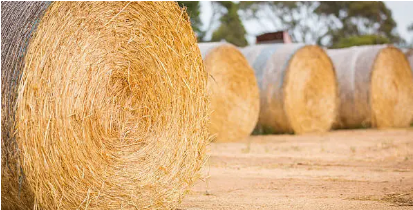
Australia’s agricultural industry thrives in some of the most challenging environmental conditions on the planet. With vast open landscapes, intense sunlight, and unpredictable weather, farmers require reliable materials that can withstand these extreme conditions. One such essential product is UV-resistant baling twine, a small yet vital tool that plays a big role in keeping Australia’s hay, straw, and silage secure and in top condition. This article examines the importance of UV resistance, its benefits to Australian farmers, and key considerations when selecting the right twine for long-term performance.
Understanding the Demands of the Australian Climate
Australia’s sun is notoriously harsh, and prolonged exposure to ultraviolet (UV) rays can break down many types of plastic, including standard baling twine. When exposed to UV radiation, non-resistant twine can lose its tensile strength, become brittle, and snap under pressure—leading to wasted time, money, and effort during harvest.
That’s why UV-resistant baling twine has become a staple for Australian farmers, particularly in regions such as Queensland, New South Wales, and Western Australia, where the intense sun can quickly degrade conventional materials. By using twine engineered to withstand UV exposure, farmers can ensure their bales remain tightly bound and protected, even during long storage periods in open fields.
What Makes UV-Resistant Baling Twine Different
The secret to UV-resistant baling twine’s superior performance lies in its material composition and manufacturing process. High-quality UV-resistant twine is typically made from premium polypropylene fibres infused with special UV stabilisers. These additives act as a shield, absorbing and dissipating ultraviolet radiation before it can damage the twine’s structure.
This protective feature enables the twine to retain its strength and flexibility for a longer period. Even after months of exposure to the Australian sun, UV-resistant twine continues to hold bales securely without fraying or breaking. In contrast, standard baling twine exposed to the same conditions can deteriorate within a matter of weeks, leading to loose bales and potential feed spoilage.
Benefits for Australian Farmers
The advantages of using UV-resistant baling twine extend beyond just durability. For Australian farmers managing large-scale operations, efficiency and reliability are key. UV-resistant twine helps achieve both.
1. Reduced Material Waste
Because UV-resistant twine lasts longer, farmers don’t have to replace it as frequently. It reduces overall material waste and saves money in the long run.
2. Protection Against Weathering
Australia’s climate isn’t just sunny—it’s also unpredictable. From scorching summers to sudden downpours, UV-resistant twine protects against both sunlight and moisture, helping bales retain their integrity in a range of weather conditions.
3. Enhanced Bale Security
When storing hay or straw outdoors, bales must remain compact and protected from pests and mould. UV-resistant twine keeps bales tightly bound, minimising spoilage risk and improving feed quality for livestock.
4. Long-Term Cost Efficiency
Although UV-resistant twine may cost slightly more upfront, its extended lifespan and reliability provide better long-term value. The reduced risk of breakage means fewer interruptions during baling, lower replacement costs, and less wasted product.
Choosing the Right Twine for Australian Conditions
Not all twine is created equal, and Australian farmers should consider a few key factors before selecting their UV-resistant baling twine.
Tensile Strength: The strength of the twine should match the type of baler and the crop being baled. Heavy crops, such as lucerne or straw, require stronger twine that can withstand higher tension without snapping.
Twine Length and Weight: Farmers should look for options with longer rolls and consistent thickness. It allows for smoother operation and fewer spool changes during the g bali processing.
How UV-Resistant Baling Twine Supports Sustainable Farming
The agricultural sector in Australia is increasingly focused on sustainability and waste reduction. UV-resistant twine contributes to this goal by extending the product’s lifespan and reducing the frequency of replacement. The durability of UV-treated twine minimises plastic waste and the need for frequent re-baling, aligning with the environmental targets many farms are now adopting.
Storage and Maintenance Tips for Maximum Longevity
To maximise the benefits of UV-resistant baling twine, proper storage and handling are essential. Even though the twine is designed to withstand UV rays, keeping it sheltered from direct sunlight when not in use can significantly prolong its lifespan.
Farmers should store twine rolls in a cool, dry place—preferably inside a shed or under a tarp—to protect them from moisture and dust. It’s also important to check the manufacturer’s storage guidelines, as each brand may have specific recommendations to preserve the twine’s UV-protective qualities.
The Future of Baling Technology in Australia
As farming technologies advance, UV-resistant baling twine continues to evolve. Manufacturers are now integrating advanced polymers, colour-coded tension ratings, and smart packaging solutions that make baling more efficient and precise. Some innovations even include twine with embedded RFID tags for better inventory tracking and performance monitoring.
These developments demonstrate that even the smallest components—such as baling twine—can play a significant role in improving productivity and sustainability across Australia’s agricultural landscape.
Final Thoughts
In Australia’s sun-drenched and demanding agricultural environment, selecting the right materials can significantly impact efficiency and yield. UV-resistant baling twine offers farmers the durability, reliability, and protection they need to secure their harvests year after year. From withstanding the harsh Australian sun to supporting sustainable farming practices, UV-resistant twine has become an essential tool for modern agriculture.
When it comes to securing your crops, investing in high-quality UV-resistant twine isn’t just a matter of convenience—it’s a commitment to long-term performance and agricultural success in Australia’s unique climate.