Category: Farming (page 1 of 2)

Silage Film’ UV-Resistant Silage Film Pros and Cons for Australian Farming Conditions

Silage preservation is a critical part of modern livestock farming in Australia, where fluctuating weather conditions and intense sun exposure can significantly affect feed quality. One increasingly popular solution is UV-resistant silage film, designed to extend the durability of wrapped forage under harsh outdoor conditions. For farmers dealing with long storage periods, high summer temperatures, and unpredictable rainfall, this technology has become an important consideration.

In this guide, we break down whether UV-resistant silage film is truly worth the investment by examining its benefits, limitations, and real-world performance in Australian farming environments. Understanding both sides of the equation helps producers make more informed decisions about feed protection, cost efficiency, and operational reliability.

What Is UV-Resistant Silage Film?

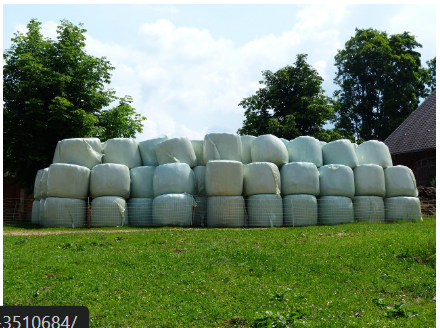
Silage film is a stretchable plastic wrap used to seal forage—such as grass, maize, or sorghum—into airtight bales or pits. Its primary function is to create anaerobic conditions that support fermentation and preserve nutritional value.

UV-resistant silage film is an enhanced version of standard silage wrap, engineered with additives that protect it from ultraviolet radiation. In Australia, where UV exposure is among the highest in the world, standard plastic films can degrade quickly when left exposed in paddocks or storage yards. UV-resistant variants slow down this degradation process, maintaining structural integrity for longer periods.

These films are typically multi-layered, combining oxygen-barrier technology with UV stabilisers. The result is improved resistance to cracking, tearing, and premature breakdown, especially during extended outdoor storage before feeding out or transport.

Farmers across regions like Queensland, New South Wales, and Western Australia often prefer UV-stabilised options due to the intense sunlight and long storage cycles typical of large-scale grazing operations.

Key Advantages for Australian Farmers

One of the most significant advantages of using UV-resistant silage film is its ability to extend storage life without compromising feed quality. In practical terms, this means bales can remain outside longer before feeding without risking spoilage.

Another major benefit is reduced waste. Standard films exposed to UV light often become brittle, leading to air leaks that allow oxygen to infiltrate. Once oxygen enters, silage fermentation is disrupted, leading to mould growth and nutrient loss. UV-resistant variants help maintain an airtight seal, preserving both energy content and palatability.

Durability also plays a key role. Farmers handling large volumes of silage appreciate fewer tears during bale wrapping, stacking, and transport. This reduces the need for re-wrapping and lowers labour costs over time.

From an operational standpoint, UV-resistant silage film can also improve scheduling flexibility. Farmers are not forced to rush feed-in operations out of fear of film degradation, a practice that is particularly valuable during busy harvest periods.

Overall, while the upfront cost is slightly higher than standard film, many Australian producers find that reduced spoilage and improved reliability offset the initial investment.

Limitations and Considerations

Despite its advantages, UV-resistant silage film is not without drawbacks. The most obvious is cost. It is generally more expensive than conventional silage wrap, which can be a concern for smaller farming operations or those operating on tight margins.

Another limitation is that UV resistance does not make the film indestructible. Physical damage from birds, machinery, or improper handling can still compromise the wrap. Even the best UV-resistant silage film cannot compensate for poor storage practices or inadequate bale density.

Environmental concerns are also increasingly relevant. Like all plastic-based agricultural products, silage film contributes to waste management challenges. While recycling programs exist in some Australian regions, accessibility remains inconsistent, and disposal costs may apply.

Additionally, performance can vary between manufacturers. Not all UV-resistant films are created equal, and lower-quality products may offer only marginal improvements over standard wraps. This makes supplier selection an important part of the purchasing decision.

Best Practices for Australian Conditions

To get the most value from silage wrapping systems, farmers should focus on correct application and storage techniques. Ensuring proper bale density is essential, as tightly packed silage reduces oxygen pockets and enhances fermentation outcomes.

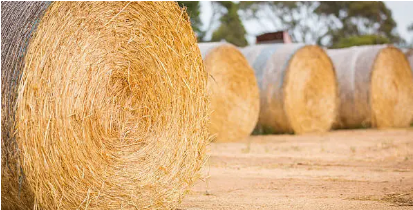
Storage location also matters. Even with UV-resistant silage film, placing bales in shaded or partially sheltered areas can significantly extend wrap lifespan. Where possible, avoid prolonged exposure to reflective surfaces such as dry, light-coloured soil or gravel, which can intensify heat stress on the film.

Regular inspection of stored silage is another important habit. Early detection of small punctures or weak points allows for quick repairs before significant spoilage occurs.

In Australia’s variable climate, combining UV-resistant film with good management practices provides the most reliable protection for silage quality.

Conclusion

For Australian farmers, deciding whether to invest in UV-stabilised wrapping solutions ultimately comes down to balancing costs with long-term feed security. UV-resistant silage film offers clear advantages in durability, reduced spoilage risk, and operational flexibility, particularly in high-UV environments common across the country.

However, it is not a standalone solution. Proper handling, correct application, and thoughtful storage remain essential to maximising performance. When used correctly, UV-resistant film can be a valuable tool in protecting livestock feed quality and improving overall farm efficiency.
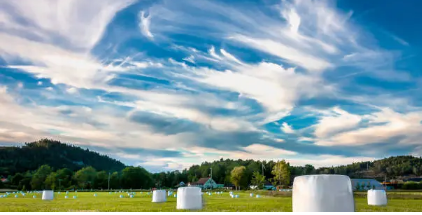
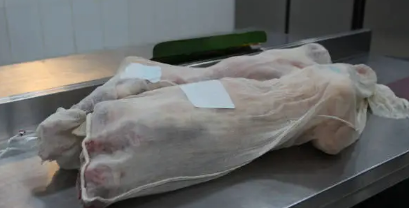
Bale Wrap’ How to Use It Properly – A Step-by-Step Guide for Australian Farmers

For Australian farmers, maintaining high-quality silage is crucial for livestock health and farm productivity. One of the most effective ways to preserve forage is through bale wrap. Bale wrap provides an airtight seal around hay or silage bales, protecting them from moisture, mould, and nutrient loss. Using bale wrap properly ensures maximum efficiency, reduces waste, and ultimately saves money on feed. In this guide, we’ll walk through the essential steps for using bale wrap effectively, tailored to the unique conditions and challenges farmers across Australia face.

Step 1: Choosing the Right Bale Wrap for Australian Conditions

The first step in proper bale wrapping is selecting the right product. In Australia, the climate varies significantly from the wet tropics of Queensland to the drier regions of South Australia and Western Victoria. These differences influence how forage should be wrapped. Most Australian farmers opt for UV-stabilised polyethylene wraps, which resist sunlight degradation and provide strong puncture resistance. Consider using multi-layered or thicker wraps for wetter regions, as these offer superior protection against rain and condensation.

Step 2: Preparing the Bales

Proper bale preparation is critical to prevent spoilage. Ensure that bales are tightly packed and free of sharp objects, such as twigs or rocks, that could puncture the wrap. In Australia, farmers often work with round or square silage bales, and while both can be wrapped effectively, round bales are more prone to rolling during wrapping. Place bales on a firm, slightly elevated surface to prevent water pooling beneath, particularly in regions prone to heavy rainfall, such as coastal New South Wales.

Step 3: Setting Up Your Wrapping Equipment

Using the correct machinery makes bale wrapping faster and more efficient. Most Australian farmers rely on tractor-mounted or tow-behind bale wrappers. Ensure your equipment is in good working order, with rollers and arms correctly aligned to prevent uneven wrapping. Safety is also crucial: always follow manufacturer instructions and wear protective gloves and eyewear when operating machinery. A well-maintained wrapper not only increases efficiency but also reduces the risk of damage to the bale wrap during application.

Step 4: Wrapping the Bale

Now comes the critical step: applying the bale wrap. Start by securing the wrap’s end to the bale, either with a knot or an adhesive strip. Rotate the bale while keeping the wrap taut to avoid sagging or air pockets. Australian farmers typically apply 6–8 layers for optimum airtightness. In wetter regions like northern Queensland, an extra layer can help prevent water ingress, while drier regions may require slightly fewer layers. Make sure the wrap overlaps slightly with each rotation to create a continuous, sealed surface.

Step 5: Sealing and Storing Wrapped Bales

After wrapping, carefully cut the wrap and press the loose end firmly against the bale. Improper sealing is a common cause of spoilage in Australian farms, as even small gaps can allow oxygen and moisture to enter. Once sealed, store bales on pallets or gravel to reduce contact with damp soil. Grouping bales in a single direction helps prevent wind damage, particularly in open plains areas such as South Australia and the Riverina region of New South Wales.

Step 6: Monitoring and Maintenance

Even after wrapping, monitoring your bales is essential. Check periodically for punctures, tears, or signs of mould. If damage occurs, repair it immediately with specialised tape designed for bale wrap. Australian farmers also report that wrapped bales can last up to 12 months if stored properly, but regular checks help ensure feed quality remains high throughout the season. Properly maintained bale wrap reduces losses and provides consistent nutrition for livestock, particularly during dry Australian summers when forage is limited.

Step 7: Safety and Environmental Considerations

Using bale wrap responsibly involves both safety and environmental awareness. Dispose of used wrap according to local Australian regulations, as polyethylene can be harmful to wildlife if left in paddocks. Consider recycling programs available in many regions, including Victoria and New South Wales. Additionally, always wear protective gear during wrapping operations and avoid working in extreme weather conditions to reduce the risk of accidents.

Step 8: Cost-Saving Tips for Australian Farmers

While bale wrap is an investment, using it correctly can save money in the long term. Purchase wrap in bulk to reduce the cost per bale, and store it in a shaded area to prolong its lifespan. Efficient wrapping techniques, such as maintaining consistent tension and avoiding overlaps or gaps, minimise wastage. By following these best practices, Australian farmers can maximise feed preservation while keeping operational costs manageable.

Conclusion

Using bale wrap properly is an essential skill for Australian farmers aiming to protect silage quality and ensure livestock health. From selecting the right wrap to monitoring stored bales, each step plays a crucial role in preserving nutrients and preventing spoilage. By following this step-by-step guide, farmers across Australia—from the wet coastal regions to the dry inland farms—can wrap bales efficiently, safely, and sustainably. Proper bale wrapping not only enhances feed quality but also contributes to long-term farm profitability.

Stockinette Bags’ Essential Meat-Grade Solutions for Australian Meat Processing

In Australia’s highly competitive meat processing industry, ensuring hygienic handling and storage of meat products is a top priority. Meat-grade stockinette bags have become an essential tool for butchers, abattoirs, and meat exporters across the country, providing a reliable, food-safe solution for packaging and transporting a wide range of fresh meat. Designed to comply with Australian food safety regulations, these stockinette bags help maintain product quality, extend shelf life, and prevent contamination during storage or shipment. For businesses aiming to meet strict hygiene standards while optimising operational efficiency, investing in high-quality stockinette bags is a smart decision.

What Are Meat-Grade Stockinette Bags?

Meat-grade stockinette bags are specially manufactured packaging products designed to safely and efficiently handle raw or processed meats. Unlike generic storage bags, these bags are made from materials that meet rigorous food-safety requirements, ensuring that no harmful chemicals leach into meat products. They are typically breathable, flexible, and highly durable, which makes them ideal for use in cold storage, transportation, and retail settings. Australian manufacturers often produce these bags in a variety of sizes and thicknesses to accommodate different cuts of meat, from beef and lamb to poultry and processed meats.

Benefits of Using Meat-Grade Stockinette Bags in Australia

1. Hygienic Handling: The primary benefit of meat-grade stockinette bags is their ability to consistently maintain hygienic standards. By reducing direct contact with external contaminants, these bags help Australian meat processors comply with food safety regulations and reduce the risk of bacterial growth.

2. Extended Shelf Life: Proper packaging is crucial for meat preservation. Meat-grade stockinette bags help keep meat fresher longer, which is particularly important for businesses that efficiently distribute products across Australia’s vast geographic regions.

3. Durability and Flexibility: These stockinette bags are designed to withstand the rigours of handling and transport. Their stretchable nature ensures a snug fit around meat products, while their strength prevents tears and leaks, minimising waste and effectively protecting the brand reputation of Australian meat businesses.

4. Cost-Effective Solution: By investing in meat-grade stockinette bags, businesses can significantly reduce spoilage and operational losses. Their efficiency and reliability make them a cost-effective choice compared to other packaging options.

Applications in the Australian Meat Industry

Meat-grade stockinette bags are widely used across the Australian meat industry, from small boutique butchers to large-scale abattoirs and exporters. Some common applications include:

● Cold Storage: Stockinette bags provide a hygienic barrier between meat and storage surfaces, helping maintain optimal conditions in refrigerated environments consistently.

● Transport and Distribution: For exporters shipping meat locally or internationally, these bags help ensure products arrive in top condition, meeting both Australian and international standards effectively.

● Retail Presentation: Butchers and supermarkets use stockinette bags to package meat cuts attractively while reliably preserving freshness for consumers.

Choosing the Right Stockinette Bags for Your Business

Selecting the appropriate meat-grade stockinette bag requires careful consideration of material, size, and compliance with Australian standards. Businesses should prioritise bags that:

● They are manufactured from food-safe, non-toxic materials.

● Offer sufficient durability and elasticity for the type of meat being processed.

● Meet Australian food safety regulations to ensure compliance and avoid penalties efficiently.

● They are available in sizes suitable for individual cuts or bulk meat packaging.

Australian suppliers often offer customizable options to suit specific business needs, including thicker bags for heavy meat cuts or perforated bags for improved air circulation.

Sustainability Considerations

Sustainability is an increasing concern in the Australian meat industry. Many stockinette bag manufacturers are now producing eco-friendly options made from recyclable or biodegradable materials, without compromising quality or food safety. By choosing sustainable meat-grade stockinette bags, businesses can reduce their environmental impact while appealing to eco-conscious consumers.

Conclusion

For Australian meat processors, butchers, and exporters, meat-grade stockinette bags are more than just packaging—they are a critical component in maintaining hygiene, quality, and operational efficiency. From preventing contamination to extending shelf life and supporting sustainable practices, these stockinette bags offer a reliable, cost-effective solution tailored to the Australian meat industry’s demands. Choosing the right stockinette bags ensures that businesses comply with food safety regulations, protect their products during storage and transport, and ultimately deliver high-quality meat to consumers across Australia.

With the growing emphasis on hygiene, sustainability, and operational efficiency, investing in high-quality meat-grade stockinette bags has never been more essential for Australian meat businesses aiming to stay competitive and maintain consumer trust consistently.

Pallet Freezer Spacers in Australia – Meeting the Needs of Modern Warehouses

In today’s competitive business environment, Australian warehouses face increasing pressure to optimise storage, maintain product quality, and improve operational efficiency. One solution that has gained significant attention in recent years is the use of pallet freezer spacers. These innovative storage tools are designed to maximise cold storage efficiency while ensuring safe handling of frozen products, making them an essential component for modern warehouses across Australia.

What Are Pallet Freezer Spacers?

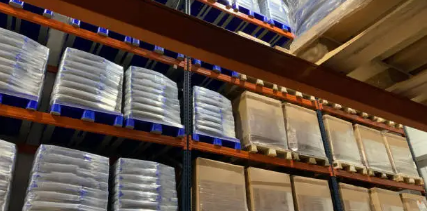
Pallet freezer spacers are specially designed platforms placed between layers of goods on a pallet. They create consistent gaps that allow cold air to circulate freely, keeping all products at a stable temperature. This is particularly important in freezers and cold rooms, where uneven airflow can lead to partial thawing or temperature inconsistencies that compromise product quality. By using pallet freezer spacers, businesses can maintain optimal storage conditions, extend product shelf life, and reduce waste.

Why Australian Warehouses Need Pallet Freezer Spacers

Australia’s food and logistics industries are expanding rapidly, driven by growing consumer demand and increasing exports. With this growth comes a greater need for efficient cold storage solutions. Pallet freezer spacers help meet these needs in several key ways:

1. Improved Airflow and Temperature Control

In freezers, proper airflow is critical to maintaining uniform freezing. Pallet freezer spacers allow air to move freely between pallets, preventing hot spots and uneven freezing. This ensures that products retain their quality from storage to delivery.

1. Maximising Storage Capacity

Warehouses often struggle with limited freezer space. Pallet freezer spacers enable safe stacking of products without compromising airflow, allowing businesses to store more goods in the same space. This maximisation of storage capacity is essential for operations looking to reduce overhead costs while maintaining efficiency.

1. Reduced Risk of Product Damage

Stacking frozen goods directly on top of each other can cause crushing or deformation. Pallet freezer spacers distribute weight evenly and provide a protective layer between pallets, reducing the risk of damage during storage and transport.

1. Operational Efficiency

Handling frozen products can be challenging, especially when time is critical in busy warehouses. Pallet freezer spacers simplify loading and unloading processes by providing clear separation between layers, making it easier for staff to access items quickly and safely.

Choosing the Right Pallet Freezer Spacers

Selecting the correct pallet freezer spacers is crucial to achieving the best results. Australian businesses should consider the following factors:

● Material: High-quality plastics or metals are commonly used, as they are durable, resistant to low temperatures, and easy to clean.

● Size and Weight Capacity: Spacers should match the dimensions of pallets and support the weight of stacked goods without bending or breaking.

● Design: Ventilated designs improve airflow, while solid options may provide extra protection for delicate products.

● Compliance: Spacers must meet Australian food safety standards if used in warehouses storing consumables.

By carefully selecting pallet freezer spacers suited to their specific needs, businesses can maximise freezer efficiency and protect product quality.

Trends Driving Demand in Australia

Several factors contribute to the growing demand for pallet freezer spacers in Australian warehouses:

● Expansion of the Food and Beverage Sector: With more products requiring cold storage, businesses are investing in solutions that improve freezer capacity and efficiency.

● E-commerce Growth: Online grocery delivery and frozen meal subscriptions require faster processing and reliable storage, making pallet freezer spacers more valuable than ever.

● Sustainability Initiatives: Reducing food waste is a priority for many companies. Efficient cold storage enabled by pallet freezer spacers helps minimise spoilage and supports sustainable practices.

● Technological Integration: Modern warehouses are increasingly automated. Pallet freezer spacers are compatible with automated storage and retrieval systems, helping streamline operations.

Conclusion

Pallet freezer spacers have become a critical tool for Australian warehouses seeking to improve storage efficiency, maintain product quality, and optimise operations. By ensuring proper airflow, maximising storage capacity, and protecting goods from damage, these spacers address the unique challenges of cold storage in a rapidly evolving market.

As the demand for frozen and temperature-sensitive products continues to grow, businesses across Australia are recognising the importance of investing in high-quality pallet freezer spacers. Whether in food storage, logistics, or e-commerce, these spacers are helping modern warehouses meet operational demands while supporting sustainability and efficiency goals.

For Australian businesses looking to stay competitive, incorporating pallet freezer spacers into their storage systems is no longer optional—it’s a strategic necessity that enhances both productivity and product quality.

Baling Twine in Australia’ The Role of UV-Resistant Baling Twine in Ensuring Durability and Crop Protection Year-Round

Australia’s agricultural industry thrives in some of the most challenging environmental conditions on the planet. With vast open landscapes, intense sunlight, and unpredictable weather, farmers require reliable materials that can withstand these extreme conditions. One such essential product is UV-resistant baling twine, a small yet vital tool that plays a big role in keeping Australia’s hay, straw, and silage secure and in top condition. This article examines the importance of UV resistance, its benefits to Australian farmers, and key considerations when selecting the right twine for long-term performance.

Understanding the Demands of the Australian Climate

Australia’s sun is notoriously harsh, and prolonged exposure to ultraviolet (UV) rays can break down many types of plastic, including standard baling twine. When exposed to UV radiation, non-resistant twine can lose its tensile strength, become brittle, and snap under pressure—leading to wasted time, money, and effort during harvest.

That’s why UV-resistant baling twine has become a staple for Australian farmers, particularly in regions such as Queensland, New South Wales, and Western Australia, where the intense sun can quickly degrade conventional materials. By using twine engineered to withstand UV exposure, farmers can ensure their bales remain tightly bound and protected, even during long storage periods in open fields.

What Makes UV-Resistant Baling Twine Different

The secret to UV-resistant baling twine’s superior performance lies in its material composition and manufacturing process. High-quality UV-resistant twine is typically made from premium polypropylene fibres infused with special UV stabilisers. These additives act as a shield, absorbing and dissipating ultraviolet radiation before it can damage the twine’s structure.

This protective feature enables the twine to retain its strength and flexibility for a longer period. Even after months of exposure to the Australian sun, UV-resistant twine continues to hold bales securely without fraying or breaking. In contrast, standard baling twine exposed to the same conditions can deteriorate within a matter of weeks, leading to loose bales and potential feed spoilage.

Benefits for Australian Farmers

The advantages of using UV-resistant baling twine extend beyond just durability. For Australian farmers managing large-scale operations, efficiency and reliability are key. UV-resistant twine helps achieve both.

1. Reduced Material Waste

Because UV-resistant twine lasts longer, farmers don’t have to replace it as frequently. It reduces overall material waste and saves money in the long run.

2. Protection Against Weathering

Australia’s climate isn’t just sunny—it’s also unpredictable. From scorching summers to sudden downpours, UV-resistant twine protects against both sunlight and moisture, helping bales retain their integrity in a range of weather conditions.

3. Enhanced Bale Security

When storing hay or straw outdoors, bales must remain compact and protected from pests and mould. UV-resistant twine keeps bales tightly bound, minimising spoilage risk and improving feed quality for livestock.

4. Long-Term Cost Efficiency

Although UV-resistant twine may cost slightly more upfront, its extended lifespan and reliability provide better long-term value. The reduced risk of breakage means fewer interruptions during baling, lower replacement costs, and less wasted product.

Choosing the Right Twine for Australian Conditions

Not all twine is created equal, and Australian farmers should consider a few key factors before selecting their UV-resistant baling twine.

Tensile Strength: The strength of the twine should match the type of baler and the crop being baled. Heavy crops, such as lucerne or straw, require stronger twine that can withstand higher tension without snapping.

Twine Length and Weight: Farmers should look for options with longer rolls and consistent thickness. It allows for smoother operation and fewer spool changes during the g bali processing.

How UV-Resistant Baling Twine Supports Sustainable Farming

The agricultural sector in Australia is increasingly focused on sustainability and waste reduction. UV-resistant twine contributes to this goal by extending the product’s lifespan and reducing the frequency of replacement. The durability of UV-treated twine minimises plastic waste and the need for frequent re-baling, aligning with the environmental targets many farms are now adopting.

Storage and Maintenance Tips for Maximum Longevity

To maximise the benefits of UV-resistant baling twine, proper storage and handling are essential. Even though the twine is designed to withstand UV rays, keeping it sheltered from direct sunlight when not in use can significantly prolong its lifespan.

Farmers should store twine rolls in a cool, dry place—preferably inside a shed or under a tarp—to protect them from moisture and dust. It’s also important to check the manufacturer’s storage guidelines, as each brand may have specific recommendations to preserve the twine’s UV-protective qualities.

The Future of Baling Technology in Australia

As farming technologies advance, UV-resistant baling twine continues to evolve. Manufacturers are now integrating advanced polymers, colour-coded tension ratings, and smart packaging solutions that make baling more efficient and precise. Some innovations even include twine with embedded RFID tags for better inventory tracking and performance monitoring.

These developments demonstrate that even the smallest components—such as baling twine—can play a significant role in improving productivity and sustainability across Australia’s agricultural landscape.

Final Thoughts

In Australia’s sun-drenched and demanding agricultural environment, selecting the right materials can significantly impact efficiency and yield. UV-resistant baling twine offers farmers the durability, reliability, and protection they need to secure their harvests year after year. From withstanding the harsh Australian sun to supporting sustainable farming practices, UV-resistant twine has become an essential tool for modern agriculture.

When it comes to securing your crops, investing in high-quality UV-resistant twine isn’t just a matter of convenience—it’s a commitment to long-term performance and agricultural success in Australia’s unique climate.

Net Replacement Film: Maximising Efficiency with Multi-Purpose Net Replacement Film

In Australia’s agricultural and industrial sectors, the demand for innovative, durable, and cost-effective materials is continually growing. Among these innovations, multi-purpose net replacement film has emerged as a practical and reliable alternative to traditional netting. Whether used in hay and silage baling, crop protection, packaging, or transport, this film offers a versatile solution that improves operational efficiency and delivers long-term savings.

What Is Multi-Purpose Net Replacement Film?

multi-purpose net replacement filmMulti-purpose net replacement film is a high-strength plastic film designed to replace conventional net wrap for various uses—especially in agriculture and packaging. Unlike netting, which can fray, snag, or break under pressure, this film is smooth, stretchable, and formulated to provide a secure wrap that maintains its shape and integrity.
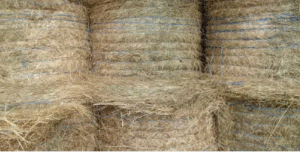
Made from polyethylene and other durable polymers, the multi-purpose net replacement film is engineered to offer UV protection, water resistance, and high tear resistance. Its adaptability makes it suitable for both manual and mechanical applications, whether it’s wrapping silage bales or securing industrial goods for transport.

Key Benefits of Multi-Purpose Net Replacement Film

The rising popularity of multi-purpose net replacement film in Australia can be attributed to several practical benefits:

Superior Bale Coverage

Compared to net wrap, multi-purpose net replacement film provides a tighter, more uniform wrap. This results in better oxygen exclusion in silage, leading to improved fermentation and higher-quality feed for livestock. The enhanced bale protection also minimises spoilage and waste.

Improved Handling and Storage

Bales wrapped in multi-purpose film retain their shape more consistently and are easier to stack and transport. The smooth surface reduces the risk of snagging or tearing, especially during movement or in contact with machinery.

Labour and Cost Efficiency

Multi-purpose net replacement film eliminates the need for an additional plastic film layer over the net, as it often serves both wrapping and sealing purposes. It streamlines the baling process, reduces material use, and cuts down on labour time—an attractive advantage for large-scale operations in Australia’s farming regions.

Environmental Responsibility

Many of today’s multi-purpose net replacement films are recyclable and made with reduced environmental impact in mind. By replacing multiple wrapping materials with a single product, users can also decrease their plastic consumption and disposal requirements.

Common Applications Across Industries

While the agricultural sector remains the primary user of multi-purpose net replacement film, its versatility lends itself to a variety of other industries.

Agriculture and Silage Wrapping

It is the most common use in Australia, particularly in regions like New South Wales, Victoria, and South Australia, where large-scale cattle and sheep farming operations require efficient bale wrapping. The film’s ability to form a consistent seal helps maintain silage quality over time.

Crop and Produce Protection

Some Australian horticultural operations use multi-purpose net replacement film to cover produce during transport or to protect sensitive crops from wind and UV exposure. The film’s resistance to tearing and its durability in extreme weather conditions make it a valuable tool in such settings.

Industrial Packaging and Shipping

In logistics and warehousing, multi-purpose net replacement film is used to secure pallet loads and packaging. It’s often favoured over conventional stretch wrap due to its higher holding force and resistance to puncture. It is particularly useful in transporting sharp or heavy products.

Choosing the Right Net Replacement Film for Your Needs

When selecting a multi-purpose net replacement film, it’s essential to consider factors such as:

  • Film Width and Thickness: Different applications require varying levels of stretch and strength. Ensure the film matches your wrapping equipment and end-use.
  • UV Stability: Essential for outdoor storage, UV-resistant films protect wrapped materials from sun damage.
  • Compatibility: Check that your existing machinery can handle the film roll dimensions and wrapping tension.
  • Supplier Reputation: Select an Australian supplier recognised for its reliable quality control and exceptional after-sales support. Locally sourced films also offer shorter lead times and easier warranty claims.

Conclusion:

In a landscape that demands efficiency, durability, and sustainability, multi-purpose net replacement film is proving to be a forward-thinking solution for Australian agriculture and industry. Its versatility across applications—from hay baling to industrial packaging—demonstrates its value in streamlining operations and reducing material costs.

As more businesses and farmers prioritise performance and environmental responsibility, adopting multi-purpose net replacement film isn’t just a wise choice—it’s a necessary one.

Baler Twine: The Evolving Role of Baler Twine in South Australian Agriculture

South Australia’s diverse agricultural sector, ranging from dry grain plains to thriving livestock farms, relies heavily on dependable tools and materials to ensure smooth operations. Among these essential tools, baler twine plays a pivotal role in maintaining the efficiency and integrity of the baling process. Although often overlooked, this simple yet indispensable product has undergone significant evolution in recent years, offering enhanced strength, improved UV resistance, and greater environmental responsibility.

Understanding Baler Twine: What It Is and Why It Matters

baler twineBaler twine is a strong, durable binding material commonly used in agricultural baling machines to tie hay, straw, or silage into compact, manageable bundles. It comes in various materials, thicknesses, tensile strengths, and UV ratings. In South Australia, where farming conditions can range from hot and arid to cool and wet, depending on the region, selecting the right baler twine is crucial.
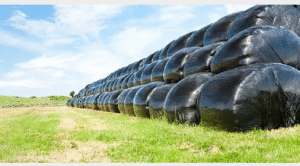
Choosing the Right Baler Twine for South Australian Conditions

South Australia’s climate is known for its extremes, with intense UV exposure, low humidity, and wind being common challenges faced by local farmers. For these reasons, UV-stabilised baler twine has become increasingly important. Twine with enhanced UV resistance resists degradation during long exposure periods in open paddocks, ensuring that the bales remain tightly bound and intact.

Additionally, tensile strength is another vital consideration. A higher tensile strength reduces the risk of breakage during baling, transport, or storage, especially in large operations where time is critical. Farmers in South Australia are turning to premium-grade baler twine that balances strength, softness, and knot-holding capability, making it suitable for both high-density and conventional balers.

Advances in Baler Twine Technology: Eco-Friendly Options on the Rise

With sustainability becoming a key focus across Australian agriculture, the shift toward eco-conscious baler twine is gaining traction. South Australian producers are increasingly seeking biodegradable or recyclable twine alternatives that reduce environmental impact without compromising performance.

Some manufacturers now offer baler twine made from recycled polypropylene, helping to minimise waste while maintaining essential strength and durability. Additionally, biodegradable jute and sisal twines are being reintroduced, particularly among organic farms or those seeking carbon-neutral practices.

This change aligns with broader industry goals and consumer preferences for more sustainable farming practices. By choosing eco-friendly baler twine, farmers not only meet evolving regulatory expectations but also build trust with environmentally conscious markets.

The Economic Impact of High-Quality Baler Twine

Cost-effectiveness remains a significant concern for every farming operation. While premium baler twine may carry a higher upfront price tag, its reliability offers substantial long-term savings. Reduced breakages, fewer stoppages during baling, and less rework during transport all contribute to improved efficiency.

For South Australian farmers managing thousands of bales during harvest season, even minor improvements in twine reliability can translate into significant labour and equipment savings. High-performing baler twine also helps preserve bale integrity during storage and transport, reducing spoilage and protecting overall crop value.

Baler Twine for Various Agricultural Applications in SA

South Australia’s agricultural diversity calls for a range of baler twine types tailored to specific needs:

  • Cereal and Hay Farming: Broadacre farmers in regions such as the Yorke Peninsula and the Eyre Peninsula prefer high-density polypropylene twine for round and large square bales, which require extra holding power for transport and stacking.
  • Viticulture and Horticulture: Smaller farms and vineyards in the Barossa or Adelaide Hills often use softer twine that won’t damage more delicate crops, and that can be handled easily for manual tying when needed.
  • Livestock and Dairy: In areas like the Limestone Coast, where silage is typical, twine used for wet and high-moisture bales must be water-resistant and mould-resistant.

These different use cases illustrate why one-size-fits-all doesn’t apply when it comes to baler twine. A professional approach to choosing twine can make a marked difference in both productivity and product quality.

Conclusion:

In modern farming, baler twine is more than a minor accessory—it’s a cornerstone of agricultural productivity. In South Australia, where climate, crop types, and farm scales vary significantly, selecting the right baler twine is an investment in quality, efficiency, and sustainability.

By focusing on factors such as UV stability, tensile strength, environmental impact, and supplier reliability, South Australian farmers can ensure they are using the most suitable baler twine for their specific needs.

Silage Plastic: Optimising Agricultural Efficiency with Silage Plastic

Australia’s diverse agricultural landscape demands innovative, reliable solutions to optimise farm productivity and profitability. Among these solutions, silage plastic has become a vital material for livestock and dairy operations aiming to improve feed preservation, minimise waste, and ensure consistent nutrition for their animals. As climate variability, sustainability, and operational efficiency gain greater attention, Australian farmers are increasingly turning to high-quality silage plastic to support modern farming practices.

The Role of Silage Plastic in Modern Farming

silage plasticSilage plastic plays a crucial role in preserving forage crops, particularly when grass, maise, or legumes are harvested for silage. By creating an airtight environment, silage plastic enables anaerobic fermentation to occur, which helps maintain the nutritional value of the stored fodder and prevents spoilage caused by oxygen exposure.
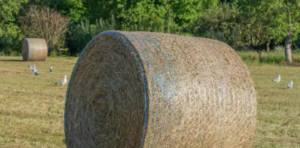
In Australia, where climate conditions can range from temperate to arid, controlling moisture and oxygen levels in silage is critical. High-performance silage plastic ensures that the forage is protected against weather fluctuations and pests, safeguarding the investment made in feed production and supporting the health of livestock throughout the year.

Benefits of Using High-Quality Silage Plastic

The Australian agricultural sector, particularly in regions with large-scale dairy and beef production, such as Victoria, New South Wales, and Queensland, benefits significantly from using premium-grade silage plastic. Key advantages include:

  • Enhanced Feed Quality: The airtight seal created by silage plastic limits oxygen infiltration, preserving the sugars and nutrients in the forage and preventing mould development.
  • Extended Storage Life: Properly sealed silage can be stored for months without loss of quality, allowing farmers to plan feeding schedules with greater flexibility.
  • Reduced Waste: With proper covering, the likelihood of spoilage and shrinkage is significantly reduced, resulting in improved feed conversion and lower financial loss.
  • Improved Animal Health: Livestock fed with high-quality, well-preserved silage experience fewer digestive issues and enjoy consistent energy and protein intake.

Choosing the Right Silage Plastic for Australian Conditions

Not all silage plastics are created equal. Australian farmers must consider the specific needs of their operations when selecting a product. Factors such as UV resistance, thickness, durability, and sealing capacity should guide the decision.

In regions prone to intense sunlight, UV-stabilised silage plastic is a must to prevent degradation. Additionally, multilayer films, typically ranging in thickness from 100 to 150 microns, provide added strength and puncture resistance, particularly when used with heavier crops like maise or when dealing with rocky terrain.

Furthermore, oxygen barrier silage plastic—made using co-extruded technology—is gaining traction across Australia. These plastics significantly reduce oxygen permeability compared to traditional black-and-white covers, resulting in superior fermentation and lower rates of spoilage.

Environmental Considerations and Recycling Initiatives

The growing emphasis on sustainability within Australian agriculture has led to increased scrutiny of plastic usage on farms. While silage plastic is indispensable, its environmental footprint must be managed responsibly.

Fortunately, Australia has seen the emergence of several silage plastic recycling programs. These initiatives encourage farmers to collect and recycle used plastic, which is then processed into products such as fence posts, cable covers, or construction materials. Organisations such as Plasback and the Wrap Recycling Action Programme (WRAP) collaborate with manufacturers, councils, and industry groups to improve collection and processing capabilities.

Using recyclable silage plastic or biodegradable alternatives, where appropriate, is another step farmers can take toward environmentally conscious farming without compromising feed quality.

Innovative Applications and Trends in Silage Plastic

As agricultural technologies evolve, so too does the innovation around silage plastic. One trend gaining popularity in Australia is the use of in-line wrapping systems, which allow for the efficient wrapping of baled silage using stretch film. This method minimises labour, reduces plastic usage per tonne of feed, and provides an alternative to traditional pit or bunk silo systems.

Moreover, coloured films—such as green or pink—are being introduced not just for aesthetic purposes but also to support charitable causes or enhance brand visibility, all while maintaining the performance standards of traditional silage plastic.

Conclusion:

In the dynamic landscape of Australian agriculture, silage plastic continues to prove its value as a vital tool for efficient and sustainable livestock management. By preserving the nutritional integrity of feed, reducing losses, and contributing to the overall health of animals, it directly supports farm profitability and operational resilience.

As technologies advance and environmental stewardship becomes even more crucial, the use of high-performance, recyclable, and intelligent silage plastic will remain a cornerstone of future-ready farming in Australia.

Net Replacement Film: A Comprehensive Guide

Net replacement film is revolutionising the agricultural and industrial sectors across Australia, offering a practical, efficient, and cost-effective solution for managing worn-out or damaged netting systems. Whether you’re working on crop protection, shade structures, or animal enclosures, this versatile product ensures optimal performance and long-term durability.

Let’s delve into what makes net replacement film an essential tool for various applications and why it’s gaining popularity across the country. For more information about the BalingTwine net replacement film, click here.

What is Net Replacement Film?

BalingTwine net replacement filmNet replacement film is a durable, high-quality material designed to replace traditional nets used in agriculture, construction, and other industries. It is often made from UV-stabilized polyethylene or polypropylene, ensuring it withstands harsh Australian weather conditions, including intense sunlight, heavy rain, and strong winds.
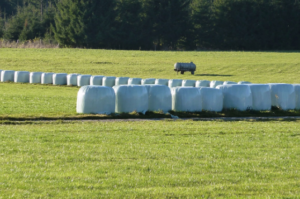
This film serves as an alternative to traditional netting, providing a seamless and robust barrier that can be customised to suit specific needs. It’s available in various thicknesses, colours, and sizes, making it suitable for diverse applications, including:

  • Crop protection from birds, insects, and environmental factors.
  • Shade structures to control sunlight exposure.
  • Animal enclosures for livestock or wildlife management.

Advantages of Using Net Replacement Film

Durability and Longevity

One of the most significant advantages of net replacement film is its resilience. Unlike traditional nets that can fray or tear over time, this material is engineered for extended use. Its UV-stabilised properties prevent degradation from sunlight, ensuring it lasts for years without requiring frequent replacements.

Cost-Effectiveness

Investing in net replacement film reduces the long-term costs associated with constant repairs and replacements. Its robust nature minimises the need for maintenance, saving time and resources for farmers, contractors, and industrial users.

Versatility

Net replacement film is adaptable to various applications. Whether you need to shield crops, create shaded areas, or secure animal enclosures, this film offers a versatile solution tailored to your needs.

Eco-Friendly Option

Many net replacement films are recyclable, making them an environmentally friendly alternative. By choosing sustainable options, you can minimise your environmental footprint while maintaining high performance.

Applications of Net Replacement Film in Australia

Agricultural Use

In agriculture, net replacement film is widely used for:

  • Protecting crops such as fruits and vegetables from pests, birds, and harsh weather conditions.
  • Creating greenhouse covers that regulate temperature and humidity for optimal plant growth.
  • Providing shade for sensitive crops to prevent sunburn and dehydration.

Industrial Use

For construction and industrial purposes, net replacement film is a reliable option for:

  • Dust and debris control on worksites.
  • Temporary fencing to secure areas during projects.
  • Scaffolding covers to ensure worker safety and reduce external hazards.

Animal and Livestock Enclosures

Farmers and wildlife managers use net replacement film to build durable enclosures that protect animals from predators and environmental elements. Its strength and versatility make it a practical choice for various animal management needs.

Choosing the Right Net Replacement Film

When selecting net replacement film in Australia, it’s essential to consider the following factors:

  • Material Quality: Choose a film made from UV-stabilised materials to ensure durability and longevity in Australia’s challenging climate.
  • Thickness and Strength: The film’s thickness determines its resilience. For heavy-duty applications, opt for a thicker material that can withstand wear and tear.
  • Size and Customisation: Ensure the film’s size aligns with your specific requirements. Many suppliers offer customisation options, allowing you to tailor the product to your needs. For more information about the BalingTwine net replacement film, click here.
  • Supplier Reputation: Purchase from a trusted supplier with a proven track record of delivering high-quality net replacement films. Look for customer reviews and testimonials to gauge reliability.

Top Suppliers of Net Replacement Film in Australia

Australia is home to several reputable suppliers offering premium-quality net replacement films. Popular brands provide a wide range of options tailored to meet diverse industry requirements. Whether you’re looking for bulk orders or specific sizes, these suppliers cater to every need while ensuring timely delivery.

Conclusion:

Net replacement film is an indispensable tool for Australian industries seeking durable, cost-effective, and versatile solutions. Its wide range of applications, combined with its resilience against harsh environmental conditions, makes it a preferred choice for professionals in agriculture, construction, and animal management.

Silage Covers: The Key to Efficient and Safe Silage Storage

Silage covers are an essential tool in agriculture, particularly in Australia, where efficient feed storage is vital for the success of livestock farming. Silage is fermented, high-moisture fodder that is stored for later use, particularly during the off-season or times of drought. For quality silage covers, check this out.

silage coversThe process of creating silage involves:

  • Harvesting crops.
  • Packing them tightly in storage.
  • Ensuring they are properly sealed to maintain nutritional value.

One of the most crucial aspects of silage storage is the use of silage covers, which help preserve the hay’s quality and prevent spoilage. In this article, we explore the importance of silage covers in Australia, their benefits, and why they are a must-have for Australian farmers.

What Are Silage Covers?

Silage covers are specially designed tarps or films used to seal silage piles, bunkers, or pits. They are typically made from durable, weather-resistant materials such as polyethylene or other UV-resistant fabrics, ensuring they can withstand the harsh Australian climate. Silage covers come in various sizes and thicknesses, depending on the type of silage storage and the volume of hay to be covered.

Why Are Silage Covers Important?

Prevention of Oxygen Exposure

One key purpose of silage covers is to prevent exposure to oxygen, which can cause the silage to spoil and lose its nutritional value. Oxygen can trigger the growth of aerobic bacteria, leading to undesirable fermentation and mould formation. Silage covers act as an airtight barrier, ensuring that the silage remains in an anaerobic environment where the beneficial bacteria can thrive, resulting in high-quality, well-preserved silage.

Protection from Weather Elements

Australia is known for its extreme weather conditions, with scorching heat, heavy rain, and strong winds expected in many regions. Silage covers help protect the stored silage from these elements. Rain can cause the hay to become too wet, leading to spoilage, while excessive heat can cause rapid fermentation, compromising the hay’s quality. Silage covers prevent water penetration and protect the silage from temperature fluctuations, ensuring that it remains in optimal condition.

Cost-Effective Feed Preservation

For many Australian farmers, especially those in rural and remote areas, feed can be scarce and expensive. Silage provides an affordable and efficient way to preserve fodder for livestock. However, without proper storage, silage can lose its nutritional content and become unusable. By investing in high-quality silage covers, farmers can extend the shelf life of their silage, reducing the need to purchase additional feed and ultimately saving money. The longer the silage remains in good condition, the more cost-effective it becomes as a feed source.

Reduction of Losses

Silage loss is a common problem for many farmers. Without a proper cover, silage can spoil, resulting in significant nutritional losses and reduced feed value. It can lead to feed shortages during critical times, such as drought periods. Silage covers help reduce the risk of these losses by keeping the stored silage sealed and protected, ensuring minimal waste.

Increased Storage Efficiency

Silage covers are effective at preserving the quality of the silage and help improve the efficiency of silage storage. With proper covers in place, farmers can store larger volumes of silage in smaller spaces, optimising their storage capacity. It is particularly important in Australia, where land and resources may be limited, and efficient use of space can make a big difference.

The Importance of Silage Covers for Sustainable Farming in Australia

Silage covers play a crucial role in sustainable farming practices across Australia. By preserving silage quality, these covers reduce waste, ensuring that farmers can rely on stored feed during dry seasons or feed shortages. With harsh weather conditions and varying temperatures, the protection offered by silage covers minimises spoilage, allowing livestock to access high-quality nutrition throughout the year. As farmers increasingly focus on sustainable solutions, silage covers are an investment that not only improves feed efficiency but also supports environmental goals by reducing resource waste and the need for supplementary feed.

Conclusion:

In the agricultural industry, especially in Australia, silage covers are an indispensable tool for efficient and effective feed storage. They protect the silage from weather damage, prevent spoilage, and help preserve its nutritional value for extended periods. Whether you’re a small-scale farmer or a large commercial operation, silage covers provide a cost-effective solution to enhance feed storage and ensure the well-being of your livestock.