Archives (page 9 of 28)

Net Replacement Film: Maximising Efficiency with Multi-Purpose Net Replacement Film

In Australia’s agricultural and industrial sectors, the demand for innovative, durable, and cost-effective materials is continually growing. Among these innovations, multi-purpose net replacement film has emerged as a practical and reliable alternative to traditional netting. Whether used in hay and silage baling, crop protection, packaging, or transport, this film offers a versatile solution that improves operational efficiency and delivers long-term savings.

What Is Multi-Purpose Net Replacement Film?

multi-purpose net replacement filmMulti-purpose net replacement film is a high-strength plastic film designed to replace conventional net wrap for various uses—especially in agriculture and packaging. Unlike netting, which can fray, snag, or break under pressure, this film is smooth, stretchable, and formulated to provide a secure wrap that maintains its shape and integrity.

Made from polyethylene and other durable polymers, the multi-purpose net replacement film is engineered to offer UV protection, water resistance, and high tear resistance. Its adaptability makes it suitable for both manual and mechanical applications, whether it’s wrapping silage bales or securing industrial goods for transport.

Key Benefits of Multi-Purpose Net Replacement Film

The rising popularity of multi-purpose net replacement film in Australia can be attributed to several practical benefits:

Superior Bale Coverage

Compared to net wrap, multi-purpose net replacement film provides a tighter, more uniform wrap. This results in better oxygen exclusion in silage, leading to improved fermentation and higher-quality feed for livestock. The enhanced bale protection also minimises spoilage and waste.

Improved Handling and Storage

Bales wrapped in multi-purpose film retain their shape more consistently and are easier to stack and transport. The smooth surface reduces the risk of snagging or tearing, especially during movement or in contact with machinery.

Labour and Cost Efficiency

Multi-purpose net replacement film eliminates the need for an additional plastic film layer over the net, as it often serves both wrapping and sealing purposes. It streamlines the baling process, reduces material use, and cuts down on labour time—an attractive advantage for large-scale operations in Australia’s farming regions.

Environmental Responsibility

Many of today’s multi-purpose net replacement films are recyclable and made with reduced environmental impact in mind. By replacing multiple wrapping materials with a single product, users can also decrease their plastic consumption and disposal requirements.

Common Applications Across Industries

While the agricultural sector remains the primary user of multi-purpose net replacement film, its versatility lends itself to a variety of other industries.

Agriculture and Silage Wrapping

It is the most common use in Australia, particularly in regions like New South Wales, Victoria, and South Australia, where large-scale cattle and sheep farming operations require efficient bale wrapping. The film’s ability to form a consistent seal helps maintain silage quality over time.

Crop and Produce Protection

Some Australian horticultural operations use multi-purpose net replacement film to cover produce during transport or to protect sensitive crops from wind and UV exposure. The film’s resistance to tearing and its durability in extreme weather conditions make it a valuable tool in such settings.

Industrial Packaging and Shipping

In logistics and warehousing, multi-purpose net replacement film is used to secure pallet loads and packaging. It’s often favoured over conventional stretch wrap due to its higher holding force and resistance to puncture. It is particularly useful in transporting sharp or heavy products.

Choosing the Right Net Replacement Film for Your Needs

When selecting a multi-purpose net replacement film, it’s essential to consider factors such as:

  • Film Width and Thickness: Different applications require varying levels of stretch and strength. Ensure the film matches your wrapping equipment and end-use.
  • UV Stability: Essential for outdoor storage, UV-resistant films protect wrapped materials from sun damage.
  • Compatibility: Check that your existing machinery can handle the film roll dimensions and wrapping tension.
  • Supplier Reputation: Select an Australian supplier recognised for its reliable quality control and exceptional after-sales support. Locally sourced films also offer shorter lead times and easier warranty claims.

Conclusion:

In a landscape that demands efficiency, durability, and sustainability, multi-purpose net replacement film is proving to be a forward-thinking solution for Australian agriculture and industry. Its versatility across applications—from hay baling to industrial packaging—demonstrates its value in streamlining operations and reducing material costs.

As more businesses and farmers prioritise performance and environmental responsibility, adopting multi-purpose net replacement film isn’t just a wise choice—it’s a necessary one.
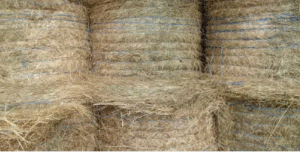
Baler Twine: The Evolving Role of Baler Twine in South Australian Agriculture

South Australia’s diverse agricultural sector, ranging from dry grain plains to thriving livestock farms, relies heavily on dependable tools and materials to ensure smooth operations. Among these essential tools, baler twine plays a pivotal role in maintaining the efficiency and integrity of the baling process. Although often overlooked, this simple yet indispensable product has undergone significant evolution in recent years, offering enhanced strength, improved UV resistance, and greater environmental responsibility.

Understanding Baler Twine: What It Is and Why It Matters

baler twineBaler twine is a strong, durable binding material commonly used in agricultural baling machines to tie hay, straw, or silage into compact, manageable bundles. It comes in various materials, thicknesses, tensile strengths, and UV ratings. In South Australia, where farming conditions can range from hot and arid to cool and wet, depending on the region, selecting the right baler twine is crucial.
Choosing the Right Baler Twine for South Australian Conditions

South Australia’s climate is known for its extremes, with intense UV exposure, low humidity, and wind being common challenges faced by local farmers. For these reasons, UV-stabilised baler twine has become increasingly important. Twine with enhanced UV resistance resists degradation during long exposure periods in open paddocks, ensuring that the bales remain tightly bound and intact.

Additionally, tensile strength is another vital consideration. A higher tensile strength reduces the risk of breakage during baling, transport, or storage, especially in large operations where time is critical. Farmers in South Australia are turning to premium-grade baler twine that balances strength, softness, and knot-holding capability, making it suitable for both high-density and conventional balers.

Advances in Baler Twine Technology: Eco-Friendly Options on the Rise

With sustainability becoming a key focus across Australian agriculture, the shift toward eco-conscious baler twine is gaining traction. South Australian producers are increasingly seeking biodegradable or recyclable twine alternatives that reduce environmental impact without compromising performance.

Some manufacturers now offer baler twine made from recycled polypropylene, helping to minimise waste while maintaining essential strength and durability. Additionally, biodegradable jute and sisal twines are being reintroduced, particularly among organic farms or those seeking carbon-neutral practices.

This change aligns with broader industry goals and consumer preferences for more sustainable farming practices. By choosing eco-friendly baler twine, farmers not only meet evolving regulatory expectations but also build trust with environmentally conscious markets.

The Economic Impact of High-Quality Baler Twine

Cost-effectiveness remains a significant concern for every farming operation. While premium baler twine may carry a higher upfront price tag, its reliability offers substantial long-term savings. Reduced breakages, fewer stoppages during baling, and less rework during transport all contribute to improved efficiency.

For South Australian farmers managing thousands of bales during harvest season, even minor improvements in twine reliability can translate into significant labour and equipment savings. High-performing baler twine also helps preserve bale integrity during storage and transport, reducing spoilage and protecting overall crop value.

Baler Twine for Various Agricultural Applications in SA

South Australia’s agricultural diversity calls for a range of baler twine types tailored to specific needs:

  • Cereal and Hay Farming: Broadacre farmers in regions such as the Yorke Peninsula and the Eyre Peninsula prefer high-density polypropylene twine for round and large square bales, which require extra holding power for transport and stacking.
  • Viticulture and Horticulture: Smaller farms and vineyards in the Barossa or Adelaide Hills often use softer twine that won’t damage more delicate crops, and that can be handled easily for manual tying when needed.
  • Livestock and Dairy: In areas like the Limestone Coast, where silage is typical, twine used for wet and high-moisture bales must be water-resistant and mould-resistant.

These different use cases illustrate why one-size-fits-all doesn’t apply when it comes to baler twine. A professional approach to choosing twine can make a marked difference in both productivity and product quality.

Conclusion:

In modern farming, baler twine is more than a minor accessory—it’s a cornerstone of agricultural productivity. In South Australia, where climate, crop types, and farm scales vary significantly, selecting the right baler twine is an investment in quality, efficiency, and sustainability.

By focusing on factors such as UV stability, tensile strength, environmental impact, and supplier reliability, South Australian farmers can ensure they are using the most suitable baler twine for their specific needs.

Silage Plastic: Optimising Agricultural Efficiency with Silage Plastic

Australia’s diverse agricultural landscape demands innovative, reliable solutions to optimise farm productivity and profitability. Among these solutions, silage plastic has become a vital material for livestock and dairy operations aiming to improve feed preservation, minimise waste, and ensure consistent nutrition for their animals. As climate variability, sustainability, and operational efficiency gain greater attention, Australian farmers are increasingly turning to high-quality silage plastic to support modern farming practices.

The Role of Silage Plastic in Modern Farming

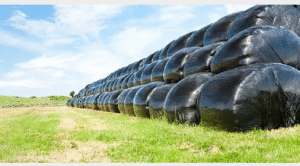
silage plasticSilage plastic plays a crucial role in preserving forage crops, particularly when grass, maise, or legumes are harvested for silage. By creating an airtight environment, silage plastic enables anaerobic fermentation to occur, which helps maintain the nutritional value of the stored fodder and prevents spoilage caused by oxygen exposure.

In Australia, where climate conditions can range from temperate to arid, controlling moisture and oxygen levels in silage is critical. High-performance silage plastic ensures that the forage is protected against weather fluctuations and pests, safeguarding the investment made in feed production and supporting the health of livestock throughout the year.

Benefits of Using High-Quality Silage Plastic

The Australian agricultural sector, particularly in regions with large-scale dairy and beef production, such as Victoria, New South Wales, and Queensland, benefits significantly from using premium-grade silage plastic. Key advantages include:

  • Enhanced Feed Quality: The airtight seal created by silage plastic limits oxygen infiltration, preserving the sugars and nutrients in the forage and preventing mould development.
  • Extended Storage Life: Properly sealed silage can be stored for months without loss of quality, allowing farmers to plan feeding schedules with greater flexibility.
  • Reduced Waste: With proper covering, the likelihood of spoilage and shrinkage is significantly reduced, resulting in improved feed conversion and lower financial loss.
  • Improved Animal Health: Livestock fed with high-quality, well-preserved silage experience fewer digestive issues and enjoy consistent energy and protein intake.

Choosing the Right Silage Plastic for Australian Conditions

Not all silage plastics are created equal. Australian farmers must consider the specific needs of their operations when selecting a product. Factors such as UV resistance, thickness, durability, and sealing capacity should guide the decision.

In regions prone to intense sunlight, UV-stabilised silage plastic is a must to prevent degradation. Additionally, multilayer films, typically ranging in thickness from 100 to 150 microns, provide added strength and puncture resistance, particularly when used with heavier crops like maise or when dealing with rocky terrain.

Furthermore, oxygen barrier silage plastic—made using co-extruded technology—is gaining traction across Australia. These plastics significantly reduce oxygen permeability compared to traditional black-and-white covers, resulting in superior fermentation and lower rates of spoilage.

Environmental Considerations and Recycling Initiatives

The growing emphasis on sustainability within Australian agriculture has led to increased scrutiny of plastic usage on farms. While silage plastic is indispensable, its environmental footprint must be managed responsibly.

Fortunately, Australia has seen the emergence of several silage plastic recycling programs. These initiatives encourage farmers to collect and recycle used plastic, which is then processed into products such as fence posts, cable covers, or construction materials. Organisations such as Plasback and the Wrap Recycling Action Programme (WRAP) collaborate with manufacturers, councils, and industry groups to improve collection and processing capabilities.

Using recyclable silage plastic or biodegradable alternatives, where appropriate, is another step farmers can take toward environmentally conscious farming without compromising feed quality.

Innovative Applications and Trends in Silage Plastic

As agricultural technologies evolve, so too does the innovation around silage plastic. One trend gaining popularity in Australia is the use of in-line wrapping systems, which allow for the efficient wrapping of baled silage using stretch film. This method minimises labour, reduces plastic usage per tonne of feed, and provides an alternative to traditional pit or bunk silo systems.

Moreover, coloured films—such as green or pink—are being introduced not just for aesthetic purposes but also to support charitable causes or enhance brand visibility, all while maintaining the performance standards of traditional silage plastic.

Conclusion:

In the dynamic landscape of Australian agriculture, silage plastic continues to prove its value as a vital tool for efficient and sustainable livestock management. By preserving the nutritional integrity of feed, reducing losses, and contributing to the overall health of animals, it directly supports farm profitability and operational resilience.

As technologies advance and environmental stewardship becomes even more crucial, the use of high-performance, recyclable, and intelligent silage plastic will remain a cornerstone of future-ready farming in Australia.

Die Cut: The Rise of Die Cut Boxes

In the ever-evolving landscape of packaging and logistics, New Zealand businesses are increasingly turning to innovative solutions that strike a balance between form and function. Among the top choices in this domain are die cut boxes—a customisable, efficient, and versatile packaging option that has gained traction across industries. From small boutique retailers in Auckland to major exporters in Christchurch, die-cut packaging is revolutionising the way products are presented, protected, and delivered.

What Are Die Cut Boxes?

die cut boxesDie-cut boxes are custom-designed cartons produced using a die-cutting machine that slices cardboard or corrugated material into precise shapes and designs. This manufacturing process enables intricate cuts, folds, and perforations, allowing for the creation of packaging that fits the product like a glove.

Unlike standard boxes, which are typically limited to fixed sizes and shapes, die-cut boxes are tailored to the dimensions, branding, and functional needs of each client. In New Zealand’s competitive market, where customer experience and product presentation are highly valued, this degree of personalisation is a significant asset.

The Business Value of Die Cut Boxes in NZ

One of the key reasons New Zealand businesses are gravitating towards die-cut boxes is their strategic business value. These boxes offer more than just protection—they play a critical role in brand identity, customer engagement, and operational efficiency.

Enhancing Product Presentation and Branding

In a retail environment, packaging often makes the first impression. With die-cut die-cut boxes, companies can incorporate windows, inserts, and custom shapes that elegantly showcase their products. Whether it’s artisanal chocolate from Wellington or handcrafted skincare from Queenstown, the packaging elevates the perceived value of the product inside.

Reducing Waste and Shipping Costs

New Zealand businesses are increasingly focused on sustainability and cost efficiency. Die-cut boxes contribute to both goals. Because these boxes are designed to fit a specific product, they eliminate unnecessary space. It results in less material being used per unit, reducing the overall shipping volume and leading to cost savings and a smaller environmental footprint.

Additionally, die-cut boxes are typically made from recyclable and biodegradable materials, aligning well with New Zealand’s commitment to environmental responsibility.

Improving Packaging Efficiency

Operational efficiency is another reason die-cut boxes are gaining popularity. Their design often includes features such as self-locking tabs and easy-fold creases, eliminating the need for excessive tape or glue. It reduces the time required for assembly and streamlines packaging processes.

For e-commerce businesses across New Zealand, especially those handling high volumes of orders, this efficiency can significantly improve fulfilment speeds and reduce labour costs.

Die Cut Boxes Across Key NZ Industries

The applications of die-cut boxes are as diverse as New Zealand’s economic sectors. Let’s take a closer look at how different industries are utilising them.

Retail and E-commerce

Online shopping has surged in New Zealand, and with it, the demand for more innovative packaging solutions has increased. Die-cut boxes offer a professional and secure method for delivering a wide range of products, including fashion, electronics, home décor, and books. Their precise fit helps prevent product damage during transit, while their appearance supports brand identity from the moment the parcel arrives at a customer’s door.

Food and Beverage

New Zealand’s thriving food industry, renowned for its high-quality produce and artisanal products, greatly benefits from die-cut packaging. For instance, local wineries use custom die-cut boxes to hold and present wine bottles safely and attractively. Similarly, food producers often opt for die-cut boxes with inserts to secure jars, snacks, or baked goods, providing both protection and a visually appealing presentation.

Health and Wellness

With the rising demand for natural health products, supplements, and cosmetics, packaging that aligns with premium branding is vital. Die-cut boxes allow health brands to craft aesthetically appealing, secure, and brand-conscious packaging that resonates with their target audience.

Conclusion:

Die-cut boxes are no longer just a packaging trend—they’re a strategic tool for growth, differentiation, and sustainability in the New Zealand market. Their combination of customisation, efficiency, and visual appeal makes them indispensable for businesses across industries.

Whether you’re a startup launching a new product or an established enterprise rethinking your supply chain, investing in die-cut boxes can offer tangible returns. In a market where packaging often serves as the bridge between brand and consumer, selecting the correct box can make all the difference.

Speech Therapy Adelaide: Unlocking Better Communication for All Ages

Effective communication is at the heart of successful relationships, education, and career development. In Adelaide, speech therapy services are helping children, adolescents, and adults overcome communication challenges and achieve their full potential. Whether you’re looking for early intervention for a child or assistance for an adult recovering from a stroke, Adelaide offers a range of professional, highly skilled speech therapy providers ready to help. For professional speech therapy services, click here.

What is Speech Therapy?

speech therapySpeech therapy focuses on diagnosing and treating disorders related to speech, language, voice, and communication. It is carried out by certified speech pathologists, also known as speech therapists, who use proven techniques to support individuals in improving their ability to express themselves and understand others.

Services typically address areas such as:

  • Speech articulation and clarity
  • Language development and comprehension
  • Stuttering and fluency issues
  • Voice disorders
  • Social communication skills
  • Cognitive-communication challenges
  • Swallowing and feeding difficulties

In Adelaide, speech therapy practices work with clients across all ages and backgrounds, offering tailored programs to meet specific needs.

Who Can Benefit from Speech Therapy?

Speech therapy is not limited to children, although early intervention is often crucial for optimal outcomes. In fact, people at any stage of life can benefit from it. Here’s a look at the groups most commonly supported:

Children

Children may experience difficulties with pronunciation, understanding language, or social communication. Common reasons for seeking speech therapy for children include developmental delays, autism spectrum disorder, hearing loss, and physical conditions like cleft palate.

Adults

Adults may require speech therapy following traumatic events such as a stroke, brain injury, or neurological conditions like Parkinson’s disease. Therapy can help restore language abilities, improve vocal strength, and retrain the brain for effective communication.

Aged Care

Speech therapy also plays a vital role in aged care facilities in Adelaide. Therapists help manage age-related communication decline and swallowing difficulties (dysphagia), promoting safety and quality of life for elderly clients.

Speech Therapy Services in Adelaide

Adelaide offers a wealth of expert speech therapy providers, with services ranging from private clinics to hospital-based programs and mobile therapists who visit homes, schools, or workplaces.

Private Clinics

Private speech therapy clinics in Adelaide deliver personalised assessments and intervention plans. Many clinics specialise in working with children, using play-based learning to engage young clients and accelerate their progress. Other clinics focus on adults, offering rehabilitation programs after stroke or injury.

Mobile Speech Therapy

Recognising that access can be a barrier, many Adelaide-based therapists now offer mobile services, providing therapy at home, in schools, or at childcare centres. This flexible approach ensures clients receive support in familiar environments, promoting comfort and progress.

Telehealth Speech Therapy

The rise of telehealth has also made speech therapy more accessible than ever in Adelaide. Online sessions enable clients to connect with a qualified speech pathologist via secure video conferencing, making it ideal for those living in rural areas or those with busy schedules.

What to Expect from Speech Therapy in Adelaide

The journey through speech therapy typically begins with a comprehensive initial assessment. Here’s what clients can expect:

  • Assessment: A speech therapist will evaluate speech, language, voice, and cognitive communication abilities using a range of tests and observations.
  • Goal Setting: After assessment, specific therapy goals are established in collaboration with the client or their caregivers. These goals are personalised to individual needs, whether it’s improving pronunciation, regaining lost language skills, or enhancing social communication.
  • Therapy Sessions: Therapy may be conducted individually or in groups, depending on the needs. Sessions involve engaging activities, practice drills, and strategies for real-life communication.
  • Home Practice: Progress is faster when strategies are reinforced at home. Speech therapists usually provide exercises and tips for families and carers to practice between sessions.
  • Review and Progress Tracking: Regular reviews ensure therapy remains effective and goals are updated as needed. Flexibility and responsiveness are hallmarks of excellent speech therapy services in Adelaide.

Conclusion:

Communication is essential for learning, working, and forming meaningful relationships. If you or a loved one is facing communication challenges, professional speech therapy in Adelaide can open doors to better understanding, greater confidence, and improved quality of life. With a vast network of highly skilled speech pathologists ready to help, Adelaide is an ideal place to begin the journey toward improved communication.

Granny Flats Adelaide: A Smart Investment in Flexible Living

Granny flats in Adelaide are quickly becoming one of the most sought-after additions to property across South Australia. With the rising cost of living, housing shortages, and a growing need for multigenerational living solutions, granny flats provide a versatile and cost-effective way to maximise the use of your property. Whether you’re looking to accommodate a loved one, generate rental income, or expand your lifestyle options, granny flats provide the perfect answer.

Why Granny Flats Are on the Rise in Adelaide

granny flatsOver the past decade, Adelaide has witnessed a steady increase in demand for affordable housing options. Granny flats, also known as secondary dwellings or backyard studios, have gained popularity among homeowners looking to maximise land use without compromising comfort or privacy.

With Adelaide’s generous suburban block sizes, many properties are well-suited for installing a granny flat. These dwellings offer a practical solution for families supporting ageing parents, adult children seeking independence, or those looking for a quiet home office or creative studio space.

What makes granny flats particularly appealing in Adelaide is the city’s lifestyle balance—space, affordability, and access to essential amenities, all of which complement the value and utility of a well-built granny flat.

Key Benefits of Building Granny Flats in Adelaide

Additional Rental Income

One of the most significant benefits of granny flats in Adelaide is the opportunity to earn rental income. With increasing rental demand in the metropolitan area, a granny flat can easily become a high-yield investment. Landlords can offer an affordable rental unit without needing to purchase another property, while tenants enjoy privacy and self-contained living.

Multigenerational Living

Granny flats support family-first solutions. Whether it’s elderly parents who need to be close but still independent or adult children saving for their first home, these secondary dwellings offer the ideal balance between connection and personal space.

Increased Property Value

A professionally designed and approved granny flat can significantly enhance the market appeal of your property. Potential buyers are often drawn to homes that include a self-contained living option, particularly in suburbs where dual living is both convenient and desirable.

Flexible Usage Options

Granny flats aren’t just for families or renters. They’re also ideal for home offices, studios, guest accommodations, or short-term holiday rentals, such as Airbnb. This flexibility makes them an excellent long-term investment in changing times.

Adelaide’s Planning Regulations for Granny Flats

Before diving into a granny flat project, it’s crucial to understand Adelaide’s planning and development regulations. In South Australia, granny flats are referred to as “dependent accommodation” and must adhere to specific criteria, including:

  • The flat must be located on the same title as the primary residence.
  • It should be smaller in size than the primary dwelling (usually around 60–70 square metres).
  • It must share essential services with the main house (e.g., water, electricity, sewer).
  • Only one granny flat is permitted per property.

Moreover, approvals and permits from your local council are generally required before construction begins. An experienced builder or architect familiar with Adelaide’s regulations can help streamline this process and ensure your granny flat is compliant from the outset.

Popular Designs and Features in Modern Granny Flats

Today’s granny flats are far from the old-fashioned garden sheds of the past. Modern designs incorporate sleek finishes, open-plan living, and energy-efficient features. In Adelaide, where both functionality and aesthetic appeal matter, popular granny flat designs include:

  • One or Two-Bedroom Layouts: Offering comfort and practicality for singles or couples.
  • Open-Plan Kitchens and Living Areas: Making Small Spaces Feel Spacious and Inviting
  • Outdoor Decks or Courtyards: Adding Extra Living Space and Enhancing Lifestyle Value
  • Energy-Efficient Solutions: Solar panels, double-glazed windows, and quality insulation help reduce energy bills.
  • Universal Access Designs: Accommodating ageing residents or individuals with mobility needs.

Customisable layouts also mean granny flats in Adelaide can be tailored to the exact needs of the resident or intended use, whether it’s long-term family living or short-term tenancy.

Conclusion:

Granny flats in Adelaide are more than just a housing trend—they’re a practical, strategic solution for modern living. Whether you’re adding one to support your family, generate income, or diversify your property’s use, the benefits are substantial and far-reaching.

With proper planning, quality construction, and a clear purpose, your granny flat can become one of your property’s most valuable assets—both financially and personally.

Mobility Scooters Adelaide: Navigate Life with Confidence and Ease

Mobility scooters have transformed the way individuals with mobility challenges move around and enjoy their independence. In Adelaide, SA, the demand for these life-enhancing devices continues to rise, thanks to the city’s aging population and focus on accessible living. If you’re exploring options and wondering about mobility scooter prices, features, and suitability, this guide provides professional insight tailored to Adelaide residents. For more information about the mobility scooters price, click here.

Understanding Mobility Scooters

mobility scooters priceA mobility scooter is a motorised device designed to assist individuals who find it difficult to walk long distances. Unlike manual wheelchairs, mobility scooters offer greater independence with powered movement, comfortable seating, and user-friendly controls. These scooters are ideal for daily errands, social outings, and even local travel around parks and shopping centres.

There are various types available, including:

  • Portable Scooters: Lightweight and foldable, suitable for car transport.
  • Mid-size Scooters: A balance of portability and comfort, ideal for both indoor and outdoor use.
  • Heavy-Duty Scooters: Designed for long distances and rough terrain, with larger wheels and greater weight capacity.

Why Adelaide Residents Choose Mobility Scooters

Adelaide’s flat terrain, wide pavements, and accessible infrastructure make it an ideal city for mobility scooter use. Whether you’re navigating the CBD, visiting the Botanic Gardens, or shopping in Burnside, a mobility scooter ensures that you can move around independently and comfortably.

Here’s why more South Australians are investing in these devices:

  • Independence: Maintain control over your schedule without relying on carers or public transport.
  • Comfort: Ergonomically designed for long periods of sitting, with cushioned seats and adjustable controls.
  • Convenience: Most models are designed to be easily transported and stored.
  • Safety: Equipped with anti-tip wheels, headlights, and brake systems to ensure rider safety.

Mobility Scooters Price in Adelaide

One of the most common questions people ask is, “What is the average price of a mobility scooter in Adelaide?” The answer depends on the type, brand, and features of the scooter.

Here’s a general breakdown:

Type of ScooterPrice Range (AUD)

Portable Scooters       $1,500 – $3,000

Mid-Range Scooters   $3,000 – $5,000

Heavy-Duty Scooters $5,000 – $9,000+

Factors Affecting the Price of Mobility Scooters:

  1. Battery Life – Longer-lasting batteries increase the price.
  2. Weight Capacity – Heavy-duty scooters are more robust and costlier.
  3. Terrain Capability – Scooters designed for rough terrain include suspension and larger tyres, which affects cost.
  4. Technology – Some scooters include USB charging ports, LCDs, or advanced control systems.
  5. Warranty & Support – Models with extended warranties and better local support can cost more, but offer peace of mind.

Tip: Always factor in ongoing maintenance costs and consider whether accessories like weather canopies or storage baskets are included.

Where to Buy Mobility Scooters in Adelaide

There are numerous trusted suppliers and showrooms throughout Adelaide offering a wide range of mobility scooters. Here are some options to explore:

  • Local Mobility Stores: These include trial zones where you can test ride different models.
  • NDIS-Approved Providers: If you’re on the NDIS, many Adelaide-based retailers can help you access funding.
  • Online Retailers: Some offer competitive pricing and delivery, but be sure to check warranty and return policies.

Popular Adelaide suburbs to visit for mobility scooter shopping include Norwood, Glenelg, and Unley, where multiple providers offer both new and used options.

Funding & Support Options in Adelaide

Many Adelaide residents may be eligible for financial assistance when purchasing a mobility scooter:

  • NDIS (National Disability Insurance Scheme): Provides funding for eligible individuals with disability.
  • My Aged Care: Seniors may qualify for subsidised mobility equipment under home care packages.
  • State-Based Equipment Programs: South Australia offers specific programs to support residents in need of mobility aids.

Always consult with an occupational therapist to ensure that the scooter you choose meets your physical requirements and qualifies for support funding.

Conclusion:

Mobility scooters offer Adelaide residents the freedom to stay active and connected with their community. Whether you’re shopping for your first scooter or looking to upgrade, understanding the mobility scooter’s price, features, and available support will empower you to make a confident, informed decision.

With professional advice, quality suppliers, and a supportive environment in Adelaide, controlling your mobility has never been easier.

Criminal Defence Barrister: Protecting Your Rights with Expertise and Integrity

When faced with criminal charges, having the finest criminal defence barrister by your side in Auckland, New Zealand is crucial. Criminal law is complex, and the stakes can be high—ranging from fines and community orders to imprisonment.

Understanding the Role of a Criminal Defence Barrister

finest criminal defence barristerA criminal defence barrister is a legal expert specialising in defending individuals and entities accused of criminal conduct. Unlike solicitors, barristers focus primarily on courtroom advocacy and legal strategy. In Auckland, the finest criminal defence barristers combine years of experience with in-depth knowledge of New Zealand’s criminal justice system to provide clients with robust representation.


Their role includes:

  • Analysing charges and evidence: They meticulously review case files and evidence to identify strengths and weaknesses.
  • Advising clients: Barristers counsel clients on legal rights, potential outcomes, and defence strategies.
  • Advocating in court: Their skill in presenting arguments, examining witnesses, and cross-examining prosecution evidence is critical.
  • Negotiating plea bargains: They can negotiate with prosecutors to reduce charges or secure favourable sentences.
  • Upholding legal ethics: The finest barristers maintain professional integrity and confidentiality at all times.

Why Choose the Finest Criminal Defence Barrister in Auckland?

Selecting the finest criminal defence barrister in Auckland can be the difference between acquittal and conviction. The best barristers demonstrate more than just legal knowledge—they bring a strategic mindset, persuasive advocacy, and unwavering commitment to their clients.

Expertise in Diverse Criminal Matters

From minor offences, such as traffic violations, to serious charges like fraud, drug trafficking, assault, or homicide, the finest criminal defence barristers possess expertise across a broad spectrum of criminal law. Their experience allows them to anticipate prosecution tactics and tailor defences accordingly.

Exceptional Advocacy Skills

A barrister’s courtroom presence is pivotal. The finest criminal defence barristers command respect from judges and juries alike. Their ability to communicate complex legal principles clearly and persuasively often shapes the trial’s outcome.

Strategic Case Management

Successful criminal defence requires strategic thinking. The finest barristers carefully plan each stage—from pre-trial motions to jury selection and final arguments—ensuring no detail is overlooked.

Commitment to Client-Centred Service

Beyond legal expertise, the finest criminal defence barristers in Auckland understand the emotional toll criminal charges bring. They provide clear communication, empathy, and vigorous advocacy to support clients during challenging times.

The Criminal Defence Process: How a Barrister Builds a Strong Case

Navigating the criminal justice system requires a step-by-step approach that only the finest criminal defence barristers are trained to manage expertly.

Initial Consultation and Case Assessment

When first engaged, the barrister conducts a thorough consultation to understand the client’s situation. They review police reports, witness statements, and all evidence. This stage is critical for developing an initial defence strategy.

Investigation and Evidence Gathering

The barrister may instruct private investigators or forensic experts to uncover additional facts. Challenging the admissibility of evidence—such as unlawful searches or coerced confessions—is also part of their role.

Pre-Trial Proceedings

The finest criminal defence barristers handle applications to dismiss charges or exclude evidence before trial. They may negotiate with the prosecution to resolve the matter without proceeding to trial, saving time and expense.

Trial Advocacy

If the case goes to trial, the barrister presents opening statements, examines and cross-examines witnesses, and delivers closing arguments. Their goal is to successfully create reasonable doubt about the prosecution’s case.

Sentencing and Appeals

In cases where a client is found guilty, the finest criminal defence barristers advocate for fair sentencing, taking into account mitigating factors. They are also skilled in filing appeals when appropriate to challenge convictions or sentences.

Standard Criminal Charges Handled by Auckland’s Finest Barristers

The criminal defence barristers who operate in Auckland handle a wide range of charges. Their expertise is essential in cases such as:

  • Assault and violent crimes: Including domestic violence and grievous bodily harm.
  • Drug offences: Possession, supply, manufacture, and trafficking.
  • Theft and property crimes: Burglary, robbery, fraud, and embezzlement.
  • Sexual offences: Allegations of sexual assault and related charges.
  • White-collar crime: Fraud, money laundering, insider trading.
  • Driving offences: Driving under the influence, dangerous driving, and disqualification breaches.

Each category requires specialist knowledge and tactical courtroom skills, which the finest criminal defence barristers in Auckland possess in abundance.

Conclusion:

When facing criminal charges in Auckland, securing the finest criminal defence barrister is an indispensable step toward protecting your freedom, reputation, and future. Their unparalleled expertise, strategic thinking, and unwavering dedication provide clients with the best possible chance of a favourable outcome.

New Home Builder Adelaide: Choosing the Best Location for Your New Home

When planning your dream home, few decisions are as crucial as selecting the correct location. For any new home builder for Adelaide residents to trust, the choice of location isn’t just about proximity to schools or shops—it’s about lifestyle, long-term value, and building a home that will serve your family well for years to come. In a diverse and growing region like Adelaide, South Australia, understanding the nuances of location can make all the difference.


New Home Builder Adelaide

The best location for your new home

Below, we offer expert insights from a builder’s perspective to help you make the most informed decision when choosing the ideal site for your future home.


1. Understanding Your Lifestyle and Daily Needs

Before browsing land listings or display villages, consider your lifestyle and daily routine. Do you work in the city or from home? Do your kids attend school locally, or do you want access to elite education options? Are you looking for coastal vibes, hills tranquillity, or suburban convenience?


Adelaide offers a wide range of residential environments—from the beachside suburbs of Glenelg and Henley Beach to the leafy, heritage-rich Adelaide Hills, and the bustling inner-city hubs of Norwood and Unley. A professional new home builder Adelaide clients rely on will factor in your priorities to match you with a location that aligns with your lifestyle.


2. Evaluating Suburb Growth and Infrastructure

One of the key advantages of working with an experienced builder is their knowledge of Adelaide’s developing corridors. Areas such as Seaford, Mount Barker, and Munno Para have seen significant investment in recent years, with the expansion of public transport links, shopping precincts, and schools.


From a builder’s viewpoint, growth areas are often excellent choices for buyers looking to balance affordability with future capital gains. Developers are also improving green spaces and connectivity, making new suburbs more appealing. An expert new home builder Adelaide will have up-to-date knowledge on where councils are investing in infrastructure, ensuring you make a forward-thinking decision.


3. Site Conditions and Land Orientation

Choosing a location is about more than just the suburb—it’s also about the block of land itself. Site topography, soil type, and orientation can significantly affect your construction costs and the energy efficiency of your home.


For example, a north-facing backyard is ideal in Adelaide’s Mediterranean climate, allowing for more natural light and passive heating during the winter months. A sloping block may offer great views, but it could require additional excavation or retaining walls. By involving your builder early in the decision process, they can assess potential blocks and help you avoid expensive surprises.


This is where a reputable new home builder, such as those Adelaide homeowners trust, proves invaluable—they can guide you on the best lot shape and orientation for your chosen design, ensuring your vision aligns with the land’s potential.


4. Proximity to Essentials and Lifestyle Amenities

Convenience is often a top priority for families. Being close to schools, public transport, medical centres, and shopping centres can significantly impact your daily life. Meanwhile, lifestyle-focused buyers may prefer suburbs with easy access to beaches, wineries, walking trails, or café culture.


Adelaide’s west and south, including areas like Brighton, Morphettville, and Happy Valley, offer a good blend of both. If you’re building in these areas, ensure your builder understands the local zoning regulations, bushfire overlays, or heritage restrictions. An informed new home builder in Adelaide will navigate these complexities for you and ensure your design is compliant without compromising your goals.


5. Long-Term Value and Resale Potential

Even if you’re planning to stay in your new home for decades, it’s wise to consider the property’s future resale value. Properties in well-serviced areas with low crime rates, reputable schools, and strong community engagement consistently perform better in the real estate market.


As builders, we see the long game. Land in emerging suburbs may be more affordable now, but buying in a location poised for growth can result in substantial gains later. Likewise, buying in already-established suburbs may cost more upfront, but it could offer more stability and prestige. Your new home builder Adelaide should help you weigh the pros and cons of both.


6. Engage Early with Your Builder and Real Estate Professionals

Finally, involve your builder early—ideally before purchasing land. Builders can liaise with land developers, assess block suitability, and recommend design adaptations that complement the location. Their experience working across Adelaide’s various councils and suburbs gives them insight into local building trends, approval timelines, and hidden costs.


A proactive new home builder Adelaide residents can depend on will help you avoid common location pitfalls and make confident, informed choices from day one.


Conclusion: Building in the Right Place, the Right Way

Your home is more than just a structure—it’s your sanctuary, investment, and lifestyle hub. In a vibrant and evolving market like Adelaide, choosing the right location is foundational to building your best life. With the guidance of a knowledgeable new home builder in Adelaide, you’ll have the confidence to select a site that not only suits your current needs but sets you up for a bright future.

Corporate Migration: 10 Key Factors to Consider When Choosing a Reliable Corporate Migration Agency

In today’s increasingly globalised world, businesses often expand across international borders in search of talent, market opportunities, or operational efficiency. With that expansion comes the complex task of relocating employees, managing immigration paperwork, and ensuring compliance with host country laws. It is where a reliable corporate migration agency becomes a crucial partner.

reliable corporate migrationWhether your business in Brisbane is hiring skilled workers from overseas, transferring executives to new locations, or establishing a presence in another country, the right migration agency can ensure the process is smooth, lawful, and efficient. However, not all service providers are created equal. To avoid setbacks, delays, and legal issues, it’s vital to choose a partner you can trust.

Here are 10 key factors to consider when selecting a reliable corporate migration agency for your business.

1. Proven Track Record and Experience

Experience matters. A seasoned agency will have handled a wide range of corporate migration cases and will understand the nuances involved in different scenarios. Check how long they’ve been in business and ask about their experience working with companies of your size and industry. A reliable corporate migration agency should be able to demonstrate consistent success with client cases, especially those similar to yours.

2. Accreditation and Licensing

Always verify the agency’s credentials. Are they officially registered with your country’s migration authorities? Are their consultants licensed or certified migration professionals? Accreditation ensures they follow ethical practices and are held accountable by regulatory bodies. Working with a licensed firm protects your business from potential legal repercussions due to improper representation.

3. Corporate Migration Specialisation

Not every migration agency specialises in corporate needs. Some may primarily focus on family or student visas, which don’t necessarily translate into corporate expertise. A reliable corporate migration agency should have deep experience in handling business migration, including skilled visa applications, intra-company transfers, compliance with immigration laws, and employee relocation services.

4. Transparency and Honesty

Clear and honest communication is one of the most important traits of a trustworthy migration agency. A reliable agency will provide you with a realistic timeline, a breakdown of costs, and complete transparency about the documents and processes required. Beware of providers that make unrealistic promises or surprise you with hidden fees.

5. Comprehensive Service Offerings

A top-tier corporate migration agency doesn’t just process visa applications. They provide a full suite of services, including visa strategy, compliance consulting, audit preparation, global mobility advice, and post-arrival employee support. Choosing a comprehensive provider ensures all aspects of migration are covered under one roof, saving time and minimising coordination challenges.

6. Industry-Specific Knowledge

Different industries have varying migration requirements and labour regulations. For instance, a tech company might require assistance with fast-tracking highly skilled ICT workers, while a construction firm may need bulk processing for tradespeople. A reliable corporate migration agency should understand the challenges of your sector and tailor their approach accordingly.

7. Legal and Regulatory Expertise

Migration laws are constantly evolving, and staying compliant is critical for avoiding penalties or delays. Your agency should have up-to-date legal knowledge and be able to guide you through current regulations, changes in immigration policy, and best practices. A reliable partner will alert you to legal risks and ensure your business stays compliant at every stage.

8. Positive Client Feedback and Testimonials

Client testimonials and online reviews provide valuable insight into the agency’s reputation. Look for genuine success stories from other corporate clients. Don’t hesitate to ask for references, particularly from businesses in your industry. A reliable corporate migration agency will be proud to share positive feedback and demonstrate how they’ve helped other organisations succeed.

9. Use of Technology and Efficient Systems

In the digital age, efficiency is key. The best migration agencies utilise advanced technology to streamline applications, track case progress, and maintain clear communication. Look for an agency that offers digital portals, automated reminders, real-time status updates, and secure document handling. It not only speeds up the process but also reduces the likelihood of human error.

10. Personalised and Responsive Client Support

No two companies have the same migration needs. A reliable corporate migration agency will provide customised solutions and assign a dedicated account manager or advisor who understands your business goals. Responsive customer service, regular updates, and proactive advice are signs that the agency is committed to your success.

Conclusion

Corporate migration is a strategic endeavour that impacts your company’s workforce, legal standing, and international growth. Entrusting this process to just any agency can expose your business to serious risks. That’s why it’s vital to partner with a reliable corporate migration expert who can provide clarity, confidence, and consistent results.