
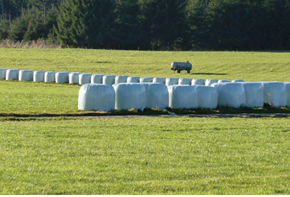
Producing quality silage requires more than harvesting forage at the right time. Once you make a bale, you must protect it from oxygen, moisture, sunlight, and physical damage. Silage film plays a critical role in creating the airtight environment needed for successful fermentation and long-term storage. For Australian farmers facing variable weather, strong sunlight, and demanding livestock production schedules, choosing and applying the right wrapping material can reduce spoilage and protect the value of home-grown feed. Understanding how silage film works, how to use it correctly and how to manage wrapped bales can make a significant difference to feed quality.
What Is Silage Film?
Silage film is a stretchable plastic wrapping material designed to seal baled forage from the atmosphere. It is commonly used for round and square silage bales, where removing oxygen is essential for the fermentation process.
When a bale is tightly compacted and wrapped correctly, the film creates an airtight barrier. This limits oxygen exposure and supports the desirable fermentation process while helping protect the forage from rain and other environmental factors.
Agriculture Victoria recommends sealing baled silage promptly after baling and notes that pasture bale silage generally targets around 45–50% dry matter for suitable fermentation.
Why Quality Silage Film Matters
Wrapping isn’t just about covering the bale. The plastic needs to maintain a reliable seal throughout storage.
Poor coverage, insufficient layers, stretching problems or punctures can allow oxygen into the bale. Once oxygen enters, yeasts and moulds can become active, potentially causing heating, spoilage and losses in dry matter and nutritional value.
Quality silage film should provide:
● Strong resistance to punctures and tearing
● Consistent stretch and cling
● Reliable oxygen exclusion
● Good coverage across the entire bale
● Resistance to degradation during outdoor storage
Agriculture Victoria advises sealing baled silage airtight and repairing damaged plastic promptly with suitable silage tape.
Choosing the Right Silage Film for Australian Conditions
Australia presents different challenges by region and season. Farmers should consider intense sunlight, heat, rain, transport requirements, and how long bales will remain in storage.
Film selection should therefore be based on the crop, bale type, storage conditions and handling requirements rather than price alone.
Consider Film Thickness and Layers
The number of layers applied is particularly important. Agriculture Victoria recommends at least four layers of stretch film with 50% overlap for individually wrapped bales. In contrast, additional layers may be appropriate for more mature or stemmy forage that presents a greater puncture risk.
More layers can provide additional protection, but farmers should follow the film manufacturer’s recommended stretch and application settings rather than simply adding plastic.
Check UV Resistance
Bales stored outdoors are exposed to Australia’s strong solar radiation. Film with appropriate UV protection can help maintain seal integrity during storage.
Regular inspection is still important. Even high-quality agricultural film technology can be damaged by machinery, animals, birds, sharp objects or rough handling.
Best Practices When Wrapping Silage Bales
Using good wrapping material is only part of the process. Correct baling and wrapping techniques matter just as much.
For better results:
1. Bale at the appropriate dry matter. Wrapping cannot compensate for forage harvested at unsuitable moisture levels.
2. Produce dense, well-formed bales. Compact bales contain less trapped air and provide a better foundation for sealing.
3. Wrap promptly. Delays increase the opportunity for undesirable aerobic activity.
4. Maintain the recommended overlap. Consistent coverage helps prevent weak areas in the seal.
5. Inspect every bale. Look for holes, tears and areas where film has separated.
6. Repair damage quickly. Use purpose-designed silage tape rather than leaving punctures exposed.
Agriculture Victoria notes that bale silage should generally be ready for wrapping within about 72 hours under reasonable drying conditions, although actual timing depends on weather and the production system.
Storing and Handling Wrapped Bales
Where you store bales can affect wrapping performance. Choose a site that reduces the risk of punctures, flooding and unnecessary handling.
Inspect bales regularly, especially after storms, during movement, or during periods of pest activity. Dairy Australia has also reported insect damage to silage bales in some northern regions, underscoring the importance of storage inspections.
Avoid dragging wrapped bales across rough surfaces. Handle bales carefully to minimise punctures that could compromise the airtight environment.
Sustainable Disposal of Silage Film
Once silage has been consumed, responsible disposal of used plastic should be part of the farm’s waste-management plan. Recycling options vary by region, so farmers should check with local councils, agricultural recycling services, and relevant industry programs.
Dairy Australia has supported efforts to increase silage plastic recycling and highlighted the importance of keeping used film clean and separating it from materials such as net wrap.
Conclusion
Choosing the right silage film is an important investment in protecting valuable forage. However, successful silage production also depends on suitable dry matter, dense bales, prompt wrapping, adequate film coverage and regular inspections.
For Australian farms, the best approach is to select film suited to local storage conditions and follow the manufacturer’s application recommendations. Speak with a reputable agricultural supplier about the right silage film for your baling system, crop and storage conditions before the next harvest.
Frequently Asked Questions
1. What is silage film used for?
Silage film wraps forage bales and creates an airtight environment that supports fermentation while protecting the bale from oxygen and environmental exposure.
2. How many layers of silage film should be used?
The appropriate number depends on the film, forage and storage conditions. Agriculture Victoria recommends at least four layers with 50% overlap for individually wrapped bales, with additional layers potentially required for more mature or stemmy crops.
3. Can silage film prevent mould?
Proper wrapping can significantly reduce oxygen exposure, which helps limit conditions that promote mould and aerobic spoilage. However, film cannot correct problems caused by unsuitable moisture, poor compaction or contaminated forage.
4. How quickly should silage bales be wrapped?
Wrap bales promptly after baling. Delaying sealing gives oxygen more time to affect fermentation, potentially increasing the risk of quality losses.
5. Can used silage film be recycled in Australia?
Recycling availability varies by location. Farmers should check current local and regional collection options and keep used film as clean as practical. Industry initiatives are continuing to develop more sustainable recycling pathways for silage plastic.
The article is structured for search intent around silage film, while keeping technical claims aligned with Australian agricultural guidance from Agriculture Victoria and Dairy Australia.