
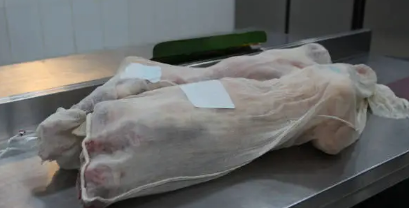
In Australia’s highly competitive meat processing industry, ensuring hygienic handling and storage of meat products is a top priority. Meat-grade stockinette bags have become an essential tool for butchers, abattoirs, and meat exporters across the country, providing a reliable, food-safe solution for packaging and transporting a wide range of fresh meat. Designed to comply with Australian food safety regulations, these stockinette bags help maintain product quality, extend shelf life, and prevent contamination during storage or shipment. For businesses aiming to meet strict hygiene standards while optimising operational efficiency, investing in high-quality stockinette bags is a smart decision.
What Are Meat-Grade Stockinette Bags?
Meat-grade stockinette bags are specially manufactured packaging products designed to safely and efficiently handle raw or processed meats. Unlike generic storage bags, these bags are made from materials that meet rigorous food-safety requirements, ensuring that no harmful chemicals leach into meat products. They are typically breathable, flexible, and highly durable, which makes them ideal for use in cold storage, transportation, and retail settings. Australian manufacturers often produce these bags in a variety of sizes and thicknesses to accommodate different cuts of meat, from beef and lamb to poultry and processed meats.
Benefits of Using Meat-Grade Stockinette Bags in Australia
1. Hygienic Handling: The primary benefit of meat-grade stockinette bags is their ability to consistently maintain hygienic standards. By reducing direct contact with external contaminants, these bags help Australian meat processors comply with food safety regulations and reduce the risk of bacterial growth.
2. Extended Shelf Life: Proper packaging is crucial for meat preservation. Meat-grade stockinette bags help keep meat fresher longer, which is particularly important for businesses that efficiently distribute products across Australia’s vast geographic regions.
3. Durability and Flexibility: These stockinette bags are designed to withstand the rigours of handling and transport. Their stretchable nature ensures a snug fit around meat products, while their strength prevents tears and leaks, minimising waste and effectively protecting the brand reputation of Australian meat businesses.
4. Cost-Effective Solution: By investing in meat-grade stockinette bags, businesses can significantly reduce spoilage and operational losses. Their efficiency and reliability make them a cost-effective choice compared to other packaging options.
Applications in the Australian Meat Industry
Meat-grade stockinette bags are widely used across the Australian meat industry, from small boutique butchers to large-scale abattoirs and exporters. Some common applications include:
● Cold Storage: Stockinette bags provide a hygienic barrier between meat and storage surfaces, helping maintain optimal conditions in refrigerated environments consistently.
● Transport and Distribution: For exporters shipping meat locally or internationally, these bags help ensure products arrive in top condition, meeting both Australian and international standards effectively.
● Retail Presentation: Butchers and supermarkets use stockinette bags to package meat cuts attractively while reliably preserving freshness for consumers.
Choosing the Right Stockinette Bags for Your Business
Selecting the appropriate meat-grade stockinette bag requires careful consideration of material, size, and compliance with Australian standards. Businesses should prioritise bags that:
● They are manufactured from food-safe, non-toxic materials.
● Offer sufficient durability and elasticity for the type of meat being processed.
● Meet Australian food safety regulations to ensure compliance and avoid penalties efficiently.
● They are available in sizes suitable for individual cuts or bulk meat packaging.
Australian suppliers often offer customizable options to suit specific business needs, including thicker bags for heavy meat cuts or perforated bags for improved air circulation.
Sustainability Considerations
Sustainability is an increasing concern in the Australian meat industry. Many stockinette bag manufacturers are now producing eco-friendly options made from recyclable or biodegradable materials, without compromising quality or food safety. By choosing sustainable meat-grade stockinette bags, businesses can reduce their environmental impact while appealing to eco-conscious consumers.
Conclusion
For Australian meat processors, butchers, and exporters, meat-grade stockinette bags are more than just packaging—they are a critical component in maintaining hygiene, quality, and operational efficiency. From preventing contamination to extending shelf life and supporting sustainable practices, these stockinette bags offer a reliable, cost-effective solution tailored to the Australian meat industry’s demands. Choosing the right stockinette bags ensures that businesses comply with food safety regulations, protect their products during storage and transport, and ultimately deliver high-quality meat to consumers across Australia.
With the growing emphasis on hygiene, sustainability, and operational efficiency, investing in high-quality meat-grade stockinette bags has never been more essential for Australian meat businesses aiming to stay competitive and maintain consumer trust consistently.